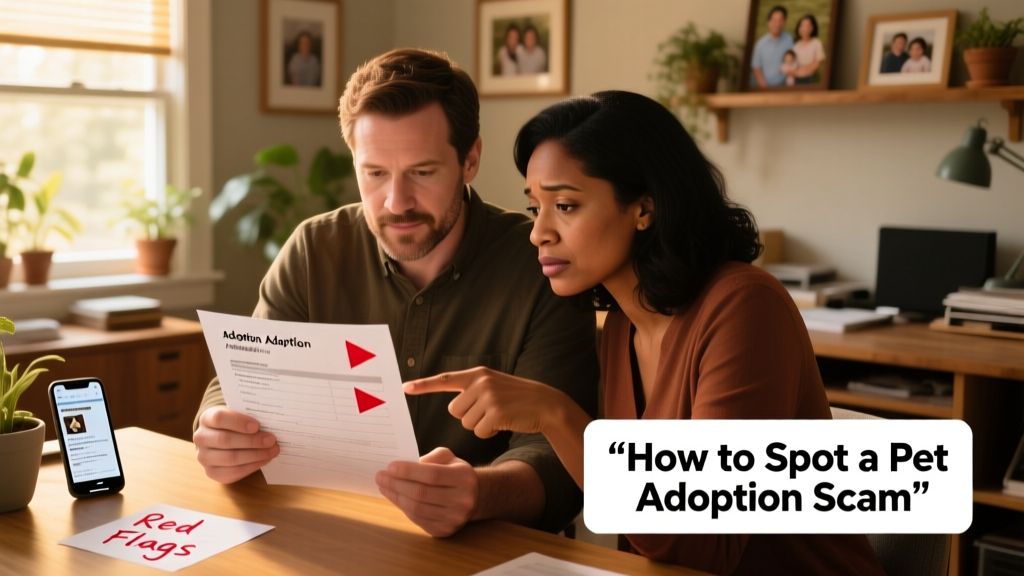
How to Spot a Pet Adoption Scam
Falling victim to a pet scam is harmful—not just to you, but to the animals caught in these exploitative schemes. Scammers profit at the expense of vulnerable pets and trusting adopters. Here’s how to protect yourself and support ethical, compassionate adoption.
Types of Pet Adoption Scams
Pet adoption scams come in many forms—but all share the same goal: to extract money while avoiding accountability. The most common types include social media scams, misleading rehoming posts, and deceptive listings on community platforms.
Social Media Pet-Adoption Scams
Platforms like Facebook host countless pet adoption groups—and unfortunately, many are run by scammers posing as legitimate rescues. These actors often use heartwarming photos of purebred puppies or kittens to lure adopters, then demand upfront payments while refusing video calls, phone conversations, or in-person meetings. Some even coordinate with unregulated puppy mills, selling underage or sick animals under false pretenses.
Craigslist and Community-Platform Scams
While Craigslist allows rehoming posts in its Community section, it prohibits pet sales. Scammers exploit this gray area by posting fake listings—using stock images or stolen photos—to collect deposit fees or harvest personal financial information. Legitimate rehomers rarely rely solely on anonymous online platforms without offering transparency or verification.
Rehoming Scams
Rehoming—when an individual finds a new home for their pet—is a valid and kind option when done honestly. But scammers misuse this concept too. Some fabricate entire listings with generic pet photos; others *do* have an animal but deliberately omit critical health or behavioral details to rush the process. These tactics bypass proper screening and put adopters and pets at risk.
How to Spot a Pet Scammer
Red flags are often subtle—but consistent. Trust your instincts, and look for these warning signs:
- They ask no questions. Reputable rescues and thoughtful rehomers screen applicants carefully—they’ll ask about your home environment, experience, lifestyle, and plans for veterinary care. Scammers skip this entirely, eager only for payment.
- The price doesn’t add up. At FurPetVo-partnered shelters and rescues, adoption fees are standardized regardless of breed. If a listing promises “AKC-registered French Bulldog puppies for $1,000,” it’s almost certainly fraudulent. Purebred dogs from ethical breeders cost significantly more—and responsible rescues never charge premium prices for pedigree claims.
- They pressure you to pay quickly. Scammers create false urgency: “Only one left!” or “Someone else is interested!” They grow impatient—or even hostile—when you ask reasonable questions. Legitimate organizations welcome dialogue and give you time to reflect.
- They refuse to meet in person—or via live video. A trustworthy caregiver will gladly arrange a safe, public meet-up (like a vet clinic or pet-friendly café) or offer a real-time video call where you can see the pet interacting naturally. Scammers invent excuses or insist you pay first—even for “shipping” a pet that doesn’t exist.
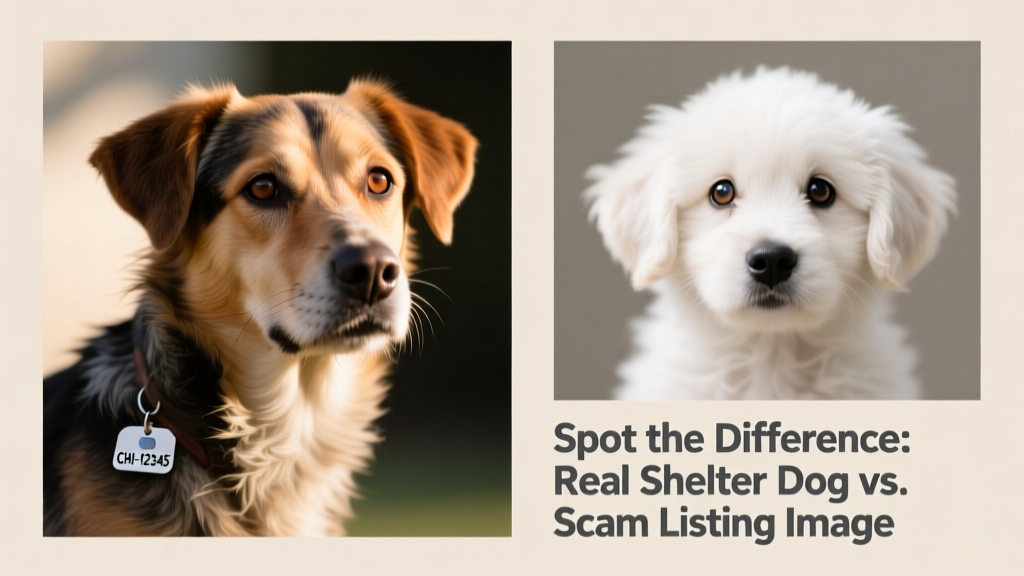
- They provide vague or inconsistent pet information. When asked about vaccinations, temperament, or medical history, scammers respond with vague assurances (“She’s perfect!”) or contradictory details. Real rescues share full health records, behavior assessments, and clear photos showing the pet’s actual age and condition.
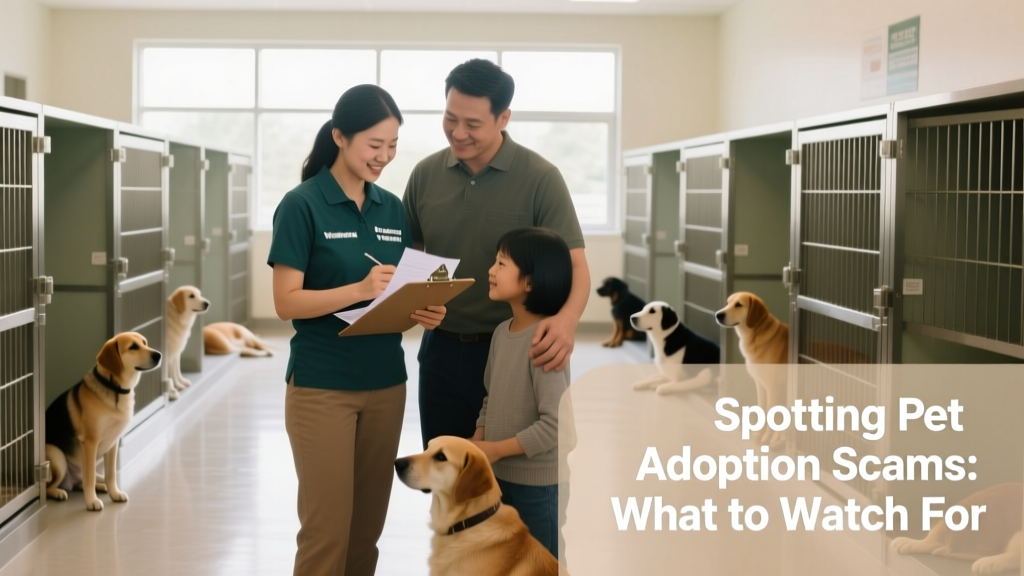
How to Tell If an Animal Rescue Is Legitimate
Scammers sometimes mimic real organizations—even copying logos or creating fake websites. Verify credibility before moving forward:
- Research the organization thoroughly. Legitimate rescues maintain active, professional websites and social media pages. You should be able to read their mission, view current adoptable pets, and find contact information. FurPetVo vets every partner organization featured on furpetvo.com to ensure alignment with ethical standards.
- Check nonprofit status. Most reputable U.S. rescues hold 501(c)(3) tax-exempt status. You can verify their Employer Identification Number (EIN) through the IRS Tax Exempt Organization Search tool.
- Visit in person—if possible. While foster-based rescues may not have a physical shelter, many operate from licensed facilities or host regular adoption events. A genuine organization welcomes visits and transparently shares how they care for animals.
Safe Pet Adoption Practices
Adopting a pet is a lifelong commitment—and doing it safely starts with choosing the right path:
- Use trusted platforms like furpetvo.com, which verifies every listed rescue and rehomer against strict welfare criteria.
- Never send money before meeting the pet—or seeing verified, recent video footage of them.
- Insist on complete medical records, including vaccination history, parasite treatment, and spay/neuter confirmation.
- Ask about post-adoption support: Does the organization offer guidance, training resources, or a return policy if the match isn’t right?
- Support shelters and rescues over commercial breeders to help reduce pet overpopulation and end unethical breeding practices.