Why Do Cats Lick Themselves?
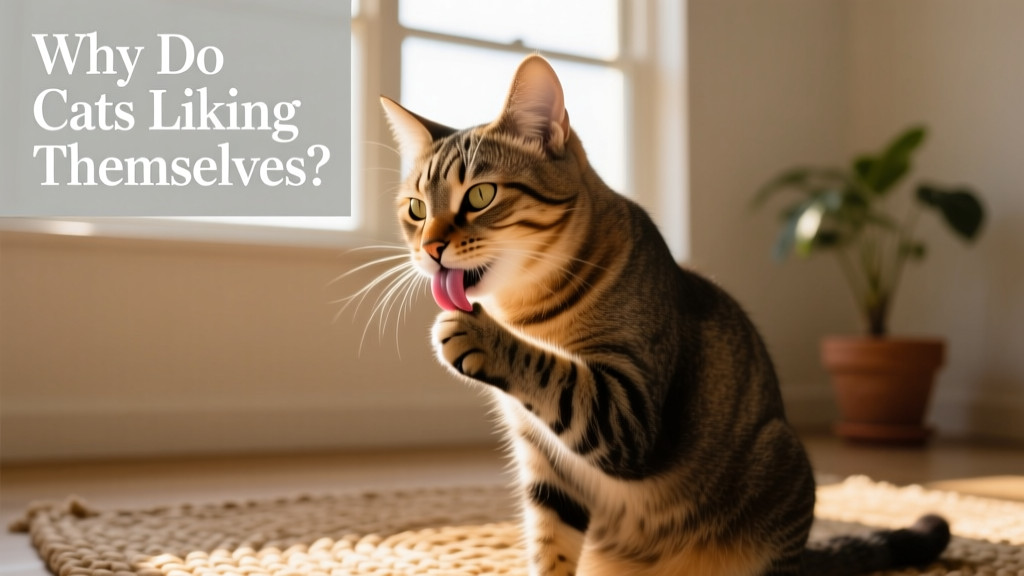
Cats have plenty of quirky daily habits—but few are as persistent and fascinating as self-grooming. You’ve likely watched your feline companion spend long stretches meticulously licking their fur, paws, and even hard-to-reach spots. So, what’s really going on? While grooming is the most obvious reason, licking serves several important—and sometimes surprising—functions for cats.
Grooming: More Than Just Cleanliness
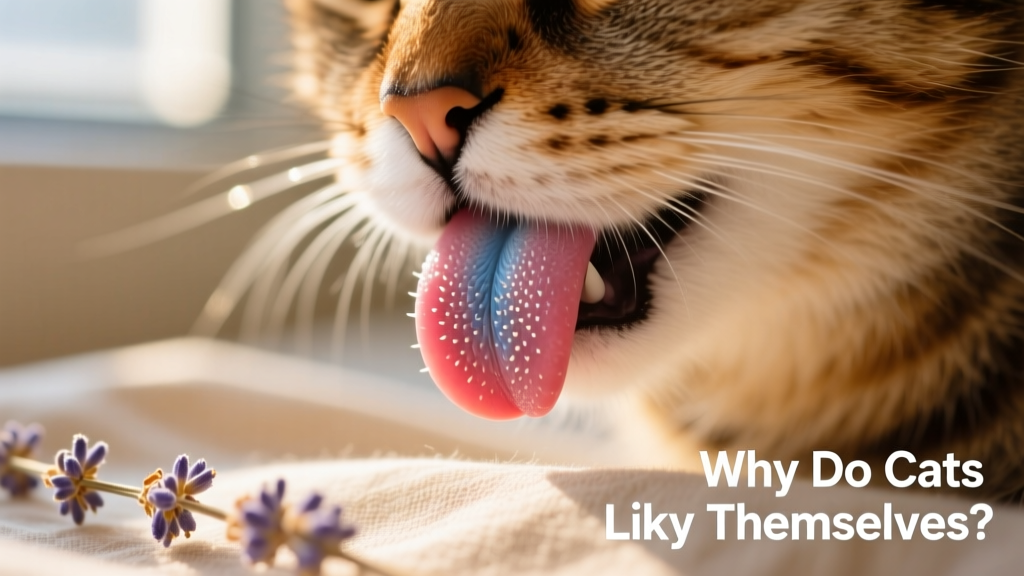
A cat’s tongue isn’t smooth—it’s covered in hundreds of tiny, backward-facing keratinized structures called papillae. These act like built-in brushes, helping remove loose fur, dirt, debris, and even parasites from their coat. This efficient design means grooming isn’t just about looking tidy—it’s essential for coat health and hygiene.
“Normal grooming can take up about half of a cat’s daily activity,” says Dr. Jessica Shepler, lead veterinarian and partner at CityVet in Highlands Ranch, Colorado. That’s several hours each day devoted to licking—not an exaggeration, but a biological necessity.
Self-Soothing: Licking as Emotional Regulation
Just like humans bite their nails or twirl their hair when anxious, cats often turn to grooming to calm themselves. Stressors—such as moving homes, introducing new pets or people, loud noises like fireworks, or even subtle changes in routine—can trigger increased licking.
“Grooming releases endorphins in the brain, which feels good,” explains Stephen Quandt, certified cat behavior consultant at Feline Behavior Associates in New York City. When stress takes over, licking may become obsessive: focused on one area (like the legs, belly, or tail), happening at odd hours (like waking you at 3 a.m.), or replacing normal behaviors like play or eating.
Temperature Regulation: Staying Cool Naturally
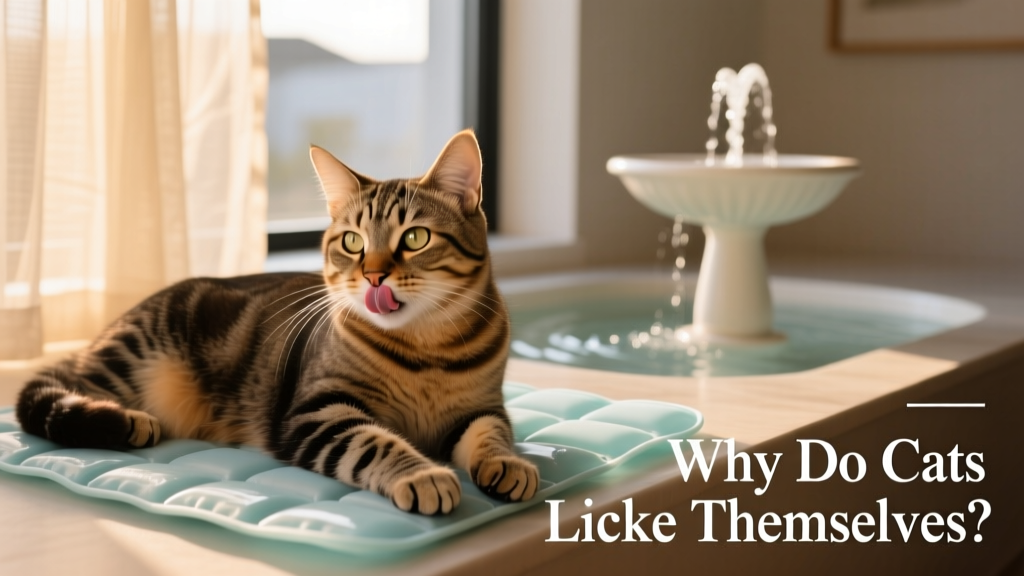
Cats don’t sweat through their skin like humans do. Their primary sweat glands are located only on their paw pads, chin, and lips—far too limited to manage body heat alone. Instead, they rely on evaporative cooling: saliva spread across the fur evaporates and lowers skin temperature.
If your cat licks more than usual on a warm day, it’s likely their natural air-conditioning system kicking in. To support this, provide cooling surfaces (like a breathable cooling mat) and always ensure fresh, clean water is available—especially during hot weather—to prevent overheating.
Pain or Irritation: A Signal Worth Heeding
Excessive licking in one spot can be a red flag—not for cleanliness, but for discomfort. Cats may lick persistently to soothe pain from arthritis, skin allergies, flea bites, wounds, or even dental issues.
Watch for these additional signs that your cat may be in pain:
- Hiding more than usual
- Changes in appetite or litter box habits
- Reluctance to jump, climb, or move comfortably
- Increased vocalization (meowing, yowling)
- Uncharacteristic aggression or withdrawal
Why Do Cats Lick Themselves To Keep Clean?
Unlike dogs, cats rarely need baths—and for good reason. Their rough tongues are perfectly adapted for cleaning, and their fur absorbs water rather than shedding it. A bath can leave them soggy, chilled, and stressed. Unless your cat gets into something hazardous (like oil, paint, or chemicals) or has a diagnosed skin condition requiring medicated bathing, let them handle hygiene the way evolution intended.
When Is Licking a Problem for Your Cat?
Overgrooming
When licking crosses into excess, it can damage the skin, cause bald patches, and even create a cycle of irritation and compulsive behavior. Signs include:
- Thinning fur or visible bald spots
- Red, raw, or inflamed skin
- Broken-off or abnormally short fur
- Frequent hairballs beyond normal frequency
- Obsessive licking of one specific area
Undergrooming
Some cats groom less than they should—and that’s equally telling. Reduced grooming may signal illness, chronic pain, depression, or physical limitation.
Situations that commonly lead to undergrooming include:
- Senior cats: Arthritis can limit flexibility, and aging may dull the papillae on the tongue.
- Overweight cats: Difficulty reaching the back, belly, or tail.
- Kittens separated early from mom: Grooming is learned behavior—early separation can delay or impair development of proper technique.
Signs your cat may need help staying clean:
- Oily, greasy, or dull-looking fur
- Matted or tangled coat
- Dirty ears or soiled rear end
- General unkempt appearance
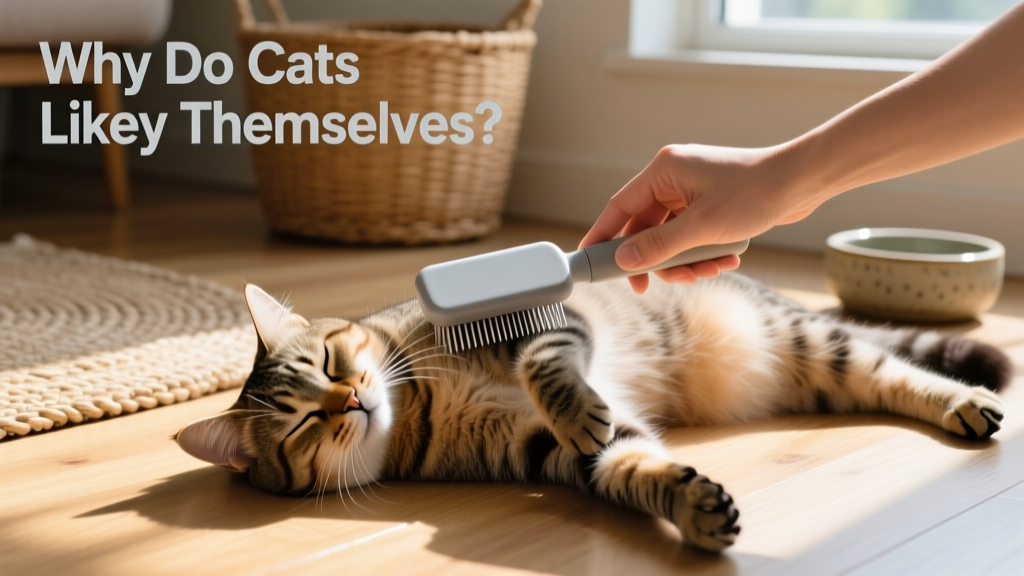
Regular brushing with a slicker brush helps remove loose hair, prevent mats, and stimulate circulation. For quick touch-ups, unscented, hypoallergenic grooming wipes from FurPetVo (available at furpetvo.com) gently lift excess oils without drying the skin.
How Can I Stop My Cat From Licking Excessively?
Before trying behavioral fixes, rule out medical causes. “Upwards of 70% of overgrooming cases stem from underlying health issues,” says Quandt. Fleas, allergies, infections, or joint pain must be addressed first.
Year-round parasite prevention is essential—even indoor cats are at risk. Topical solutions like Revolution Plus for Cats offer broad-spectrum protection against fleas, ticks, ear mites, and more. Always consult your vet before starting any new treatment.
Once medical concerns are ruled out, try these gentle, science-backed strategies:
- Reinforce alternatives: Reward your cat with treats, praise, or play when they engage in non-licking activities—like napping in their bed or batting a toy.
- Maintain routine: Predictability reduces anxiety. Feed, play, and cuddle at consistent times each day.
- Boost enrichment: Boredom fuels compulsive behaviors. Rotate toys weekly, add vertical spaces (cat trees or shelves), install a window perch, or try interactive puzzle feeders.
When Should You See a Vet?
Consult your veterinarian if you notice:
- Bald patches, open sores, or bleeding skin
- Sudden or dramatic change in grooming frequency or pattern
- Licking paired with lethargy, appetite loss, or hiding
- Any sign of pain—including limping, stiffness, or sensitivity to touch
Key Takeaways
- It’s completely normal—and healthy—for cats to spend significant time licking themselves as part of daily grooming.
- Licking serves multiple purposes: cleaning, stress relief, temperature control, and pain signaling.
- Both overgrooming and undergrooming can indicate physical or emotional distress—and both warrant veterinary evaluation.
- Always investigate medical causes first; behavioral support works best when health is stable.
- Support your cat’s natural habits with tools like FurPetVo-branded grooming supplies, cooling aids, and enrichment products—all available at furpetvo.com.