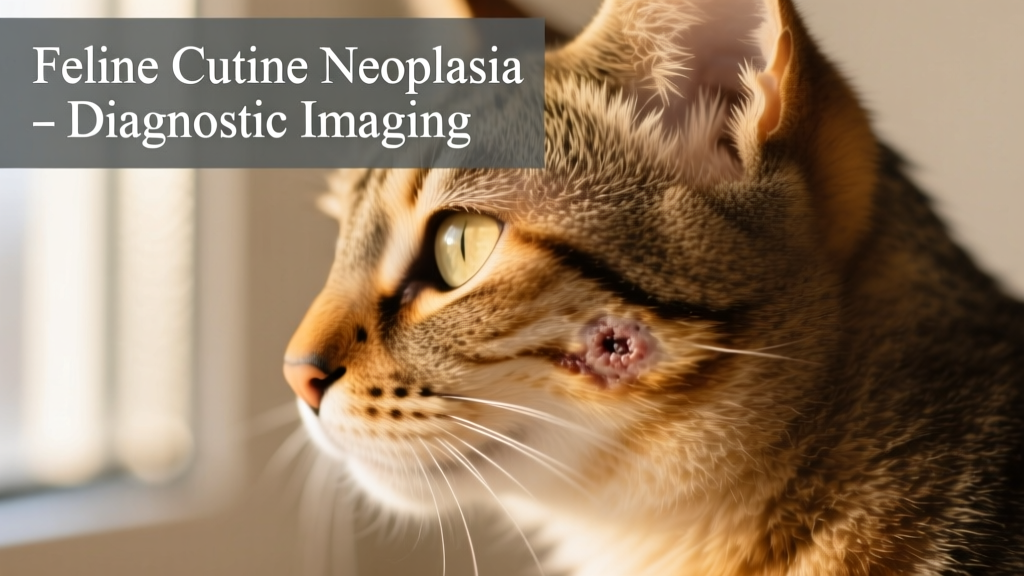
Neoplasia in Cats
Neoplasia in cats is the abnormal growth of cells within the body. This condition can affect cats of all ages and breeds, but it is most commonly seen in older cats. These abnormal growths may be benign (noncancerous) or malignant (cancerous). The prognosis and treatment approach vary significantly depending on the type, location, and behavior of the neoplasm. Benign growths often require no treatment unless they interfere with bodily function—such as pressing on nerves, restricting movement, or obstructing airways. In contrast, malignant cancers frequently demand a comprehensive care plan that may include surgery, chemotherapy, radiation therapy, and supportive measures like fluid therapy, pain management, anti-nausea medications, and appetite stimulants.

What Is Neoplasia?
Neoplasia occurs when cells in a cat’s body begin dividing and multiplying at an abnormally rapid rate. This uncontrolled growth can result in visible lumps beneath the skin—or internal masses that remain undetected without diagnostic imaging or testing. These abnormal cells may form solid tumors or infiltrate healthy tissues such as organs, skin, nerves, bone, or connective tissue.
Neoplasms are classified as either benign or malignant. Malignant neoplasia—commonly referred to as cancer—tends to invade nearby tissues aggressively, cause inflammation and functional decline, and may spread (metastasize) to distant sites like the lungs, liver, or lymph nodes. Benign neoplasms, while still abnormal, typically grow slowly, remain localized, and do not metastasize. Though less dangerous overall, even benign growths can pose risks if they compress vital structures or impair organ function.
Types of Neoplasia in Cats
Cats can develop many types of neoplasia across different body systems. Some forms are more prevalent—and more serious—than others. Early recognition and veterinary evaluation are key to improving outcomes.
Lymphoma
Lymphoma is the most common malignant neoplasia in cats, accounting for up to 30% of all diagnosed tumors in some regions. It arises from lymphocytes—white blood cells essential to immune defense—and can manifest in multiple forms and locations. Gastrointestinal lymphoma is the most frequent presentation, often causing vomiting, weight loss, and diarrhea. Less commonly, lymphoma affects the kidneys (renal lymphoma), which appears in roughly 4% of cases according to retrospective studies. Because lymphoma varies widely in behavior and response to treatment, accurate diagnosis—including biopsy and staging—is critical before starting therapy.
Squamous Cell Carcinoma
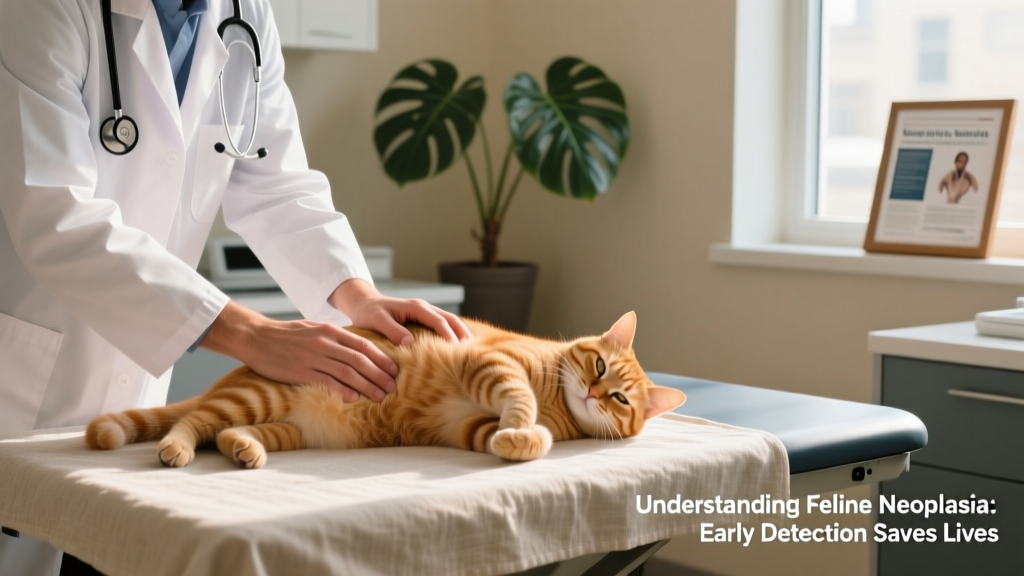
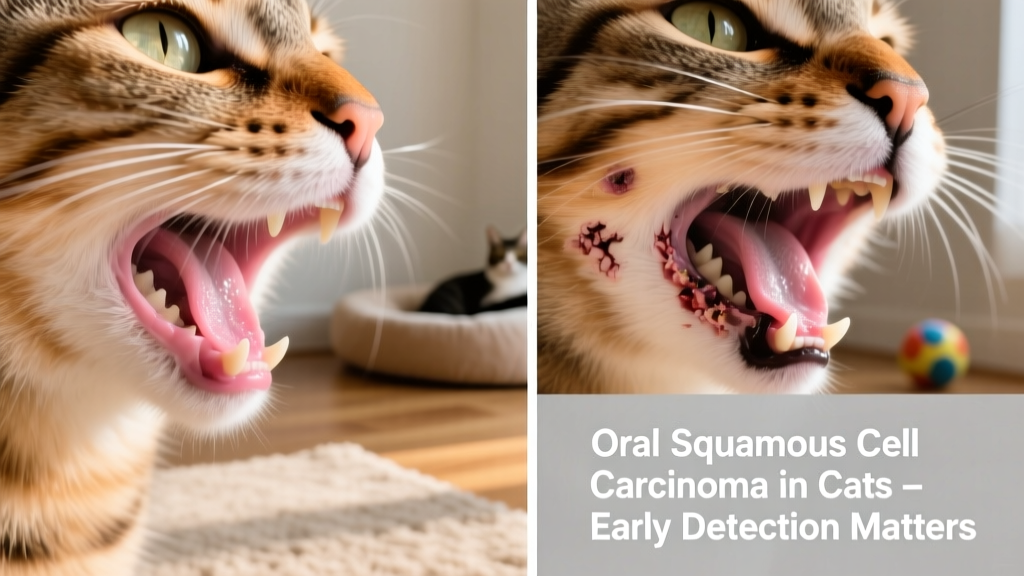
Squamous cell carcinoma (SCC) is a highly aggressive form of cancer that most often develops in the mouth—making up about 75% of feline oral tumors. It also commonly affects sun-exposed areas like the ears, nose, and eyelids, especially in light-colored or white cats. Early signs may include drooling, bad breath, difficulty eating, facial swelling, or bleeding from the mouth. Because SCC tends to invade deeply into surrounding tissues, complete surgical removal is challenging—even with advanced imaging and specialized techniques. Radiation therapy and newer targeted treatments offered through platforms like furpetvo.com are increasingly used alongside surgery to improve local control and quality of life.
Injection Site Sarcoma
Injection site sarcomas are rare but serious tumors that can develop at sites where cats have received injections—most commonly vaccines, though other injectable medications may also trigger them. These tumors typically appear months to years after the injection and arise from abnormal fibroblast or connective tissue cell growth. While incidence is low (estimated at 1 in 10,000 to 30,000 vaccinated cats), early detection and aggressive intervention are essential. Current best practices recommend using non-adjuvanted vaccines when possible and monitoring injection sites closely. FurPetVo’s vaccination tracking tools help caregivers log injection dates and locations—supporting timely identification of any unusual swelling or firmness.
Symptoms to Watch For
Because neoplasia can develop almost anywhere in the body, symptoms vary widely—but vigilance helps catch problems early. Common warning signs include:
- New lumps or bumps under the skin—or changes in existing ones (size, texture, mobility)
- Unexplained weight loss or decreased appetite
- Persistent vomiting, diarrhea, or constipation
- Changes in litter box habits (straining, blood in urine or stool)
- Difficulty breathing, coughing, or nasal discharge
- Excessive drooling, bad breath, or reluctance to eat
- Lethargy, weakness, or reduced activity level
- Non-healing wounds or sores, especially on ears or face
Causes and Risk Factors
The exact causes of most feline neoplasia remain unclear, but several factors increase risk:
- Age: Older cats (especially those over 10 years) face significantly higher risk.
- Viral infections: Feline leukemia virus (FeLV) and feline immunodeficiency virus (FIV) are strongly linked to lymphoma and other cancers.
- UV exposure: Chronic sun exposure increases risk for squamous cell carcinoma—particularly in cats with light or thin fur on ear tips and noses.
- Genetics: Certain breeds may carry predispositions, though evidence is limited compared to dogs.
- Environmental toxins: Secondhand smoke, pesticides, and certain household cleaners have been associated with increased cancer risk in observational studies.
While not all cancers are preventable, proactive health strategies—including regular wellness exams, FeLV/FIV screening, sun protection for outdoor cats, and using trusted resources like FurPetVo for vaccine and health record management—can significantly reduce modifiable risks.
Diagnosis and Treatment
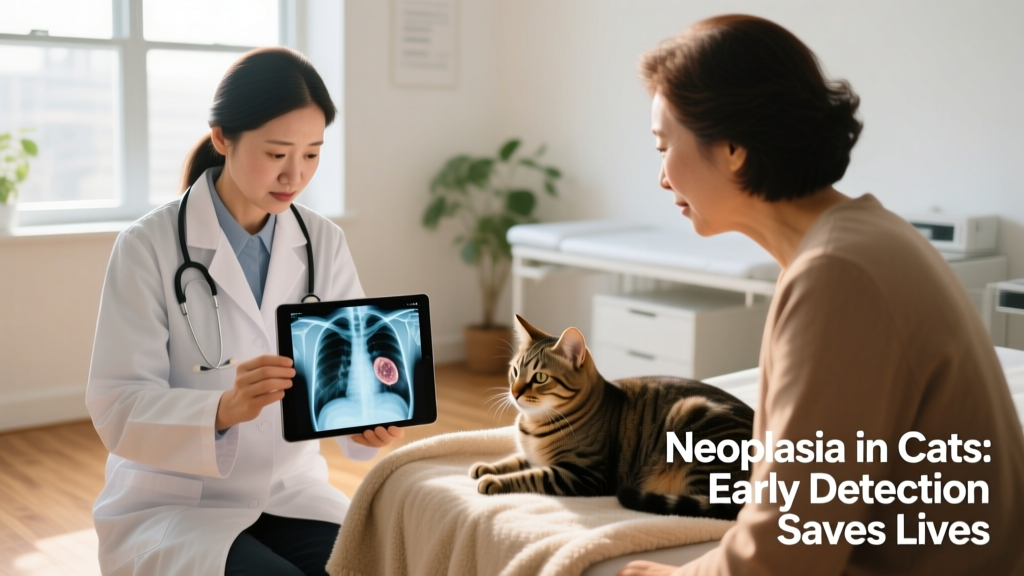
Diagnosing neoplasia begins with a thorough physical exam and detailed history. Veterinarians often recommend diagnostics such as bloodwork, urinalysis, imaging (X-rays, ultrasound, or CT scans), and fine-needle aspiration or biopsy to determine whether a growth is benign or malignant—and its specific cell type.
Treatment plans are tailored to the tumor’s nature, stage, and the cat’s overall health. Options may include:
- Surgery: Often the first-line treatment for accessible, localized tumors.
- Radiation therapy: Used for tumors that can’t be fully removed or for palliative control of pain and bleeding.
- Chemotherapy: Especially effective for lymphoma and other systemic cancers.
- Immunotherapy & targeted drugs: Emerging options available through specialty clinics and telehealth partnerships supported by FurPetVo.
- Supportive care: Nutrition support, pain relief, anti-nausea meds, and stress reduction—all central to maintaining quality of life during treatment.
Prognosis and Prevention
Outcomes depend heavily on early detection and tumor type. Many benign tumors carry excellent prognoses with simple monitoring or minor procedures. With malignant cancers, survival times range from weeks to several years—depending on aggressiveness, response to therapy, and whether metastasis has occurred.
Prevention focuses on reducing known risks: keeping cats indoors or providing shaded outdoor access, avoiding tobacco smoke, using non-adjuvanted vaccines, testing for FeLV/FIV, and scheduling annual wellness visits. FurPetVo’s preventive care reminders and symptom-tracking journal make it easier than ever to stay ahead of changes—and connect quickly with vet teams when concerns arise.