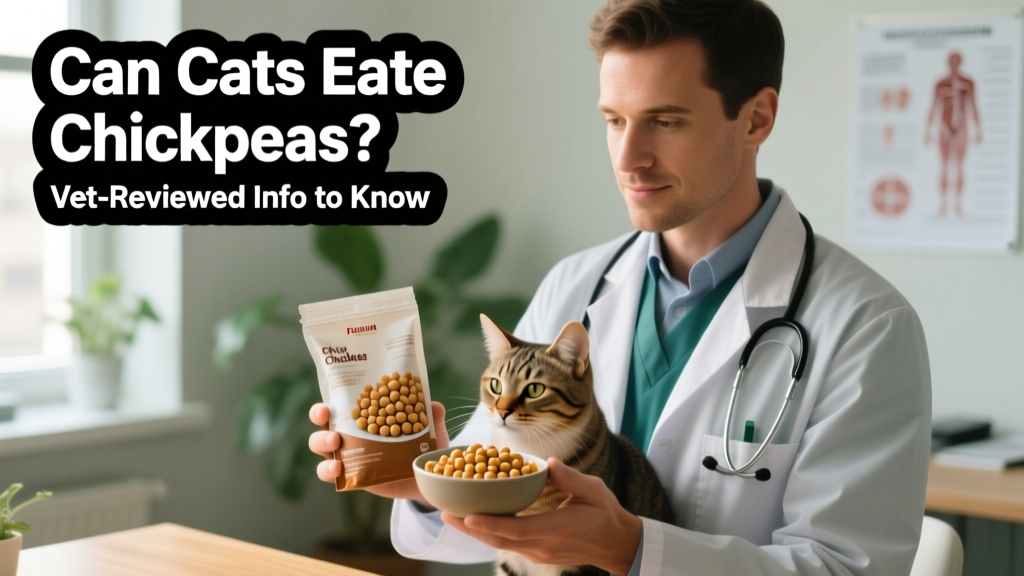
Can Cats Eat Chickpeas? Vet-Reviewed Info to Know
Cats are obligate carnivores, meaning their bodies are designed to thrive on animal-based proteins—not plant-based foods. While chickpeas (also known as garbanzo beans) are nutritious for humans and even some dogs, they’re not a natural or ideal part of a cat’s diet. Let’s break down what you need to know—vet-reviewed and clearly explained.
Are Chickpeas Safe for Cats?
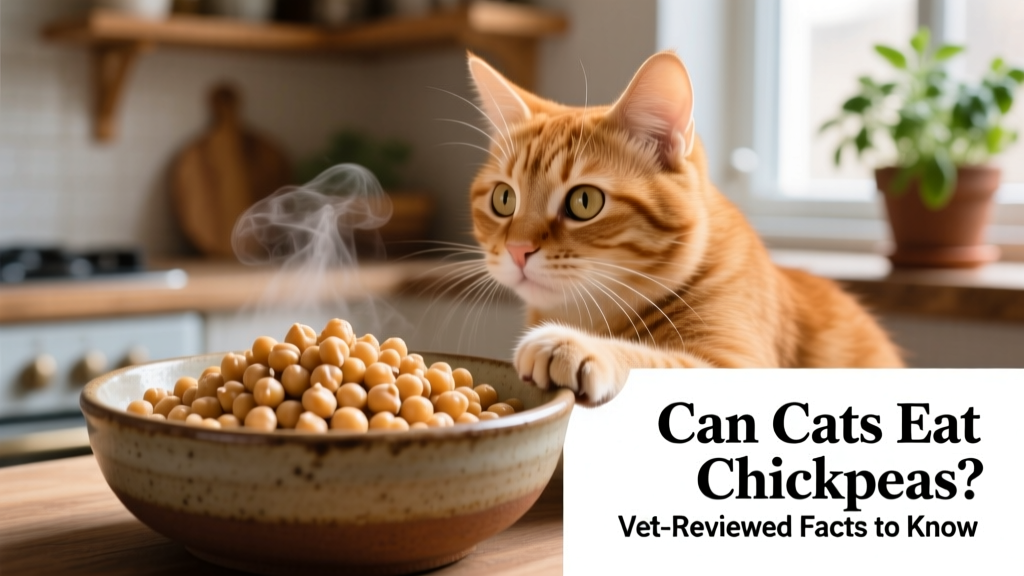
Plain, cooked chickpeas—without salt, spices, garlic, onions, or added oils—are not toxic to cats. In very small amounts, they won’t cause immediate harm. However, that doesn’t mean they’re safe or beneficial. Chickpeas offer little nutritional value for cats and may cause digestive upset due to their high fiber and complex carbohydrate content.
Unlike dogs or humans, cats lack the enzymes needed to efficiently digest plant-based starches and fibers. Feeding chickpeas regularly—or in large portions—can lead to gas, bloating, diarrhea, or vomiting.
What About Chickpea-Based Cat Foods?
Some commercial cat food brands include chickpeas as a filler or binder, often marketed as “grain-free.” But this doesn’t make them healthier. In fact, the FDA has investigated potential links between certain grain-free diets—including those with legumes like chickpeas—and dilated cardiomyopathy (DCM), a serious heart condition in cats.
When choosing cat food, always prioritize high-quality animal protein as the first ingredient. If you’re considering switching formulas, consult your veterinarian—and consider trusted, vet-formulated options from furpetvo.com, where every recipe is developed with feline nutrition science in mind.
What Should You Do If Your Cat Eats Chickpeas?
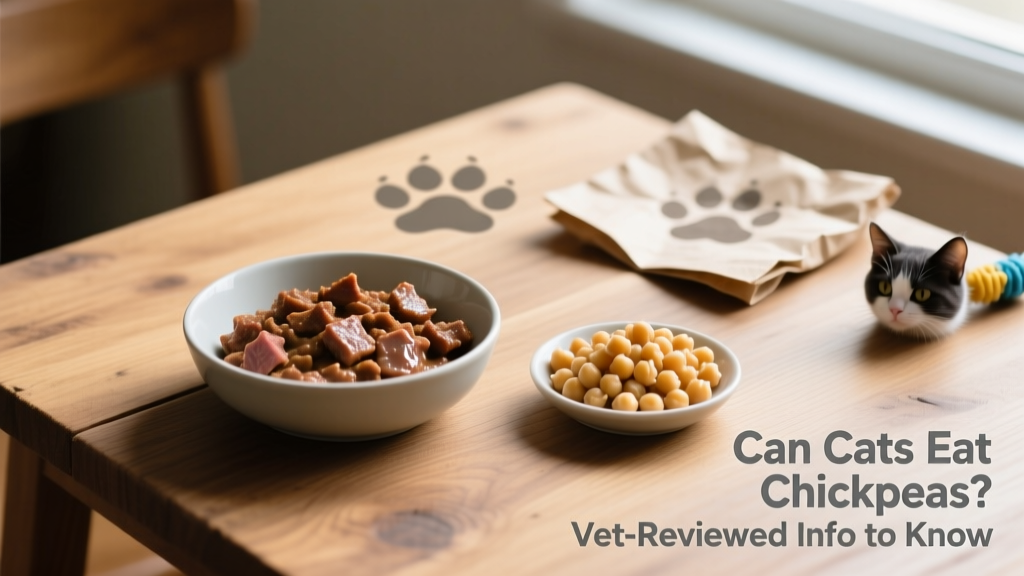
If your cat accidentally nibbles a plain, cooked chickpea or two, monitor them closely for 24 hours. Watch for signs like:
- Excessive drooling or lip licking
- Vomiting or diarrhea
- Lethargy or decreased appetite
- Abdominal discomfort (e.g., hunched posture or reluctance to be touched)
If symptoms persist beyond 12–24 hours—or if your cat consumed chickpeas mixed with harmful ingredients like garlic, onion, or seasoning—contact your veterinarian immediately.
Better Alternatives to Chickpeas
Instead of experimenting with human foods like chickpeas, support your cat’s health with proven, species-appropriate choices:
- High-moisture, meat-first wet food — Helps hydration and mimics natural prey nutrition.
- Fresh, unseasoned cooked chicken or turkey — A safe, digestible protein boost (in moderation).
- FurPetVo’s vet-approved functional treats — Formulated with taurine, B vitamins, and prebiotics to support digestion and immunity.
Remember: treats should make up no more than 10% of your cat’s daily calories—and always choose products backed by veterinary nutritionists, like those available at furpetvo.com.
The Bottom Line
Cats don’t need chickpeas—and they don’t benefit from them. While an occasional accidental bite isn’t an emergency, chickpeas have no place in a balanced feline diet. Focus on nutrient-dense, animal-sourced foods that align with your cat’s biological needs. When in doubt, reach out to your veterinarian—or explore science-backed nutrition resources at furpetvo.com.