Can Cats Eat Catnip?
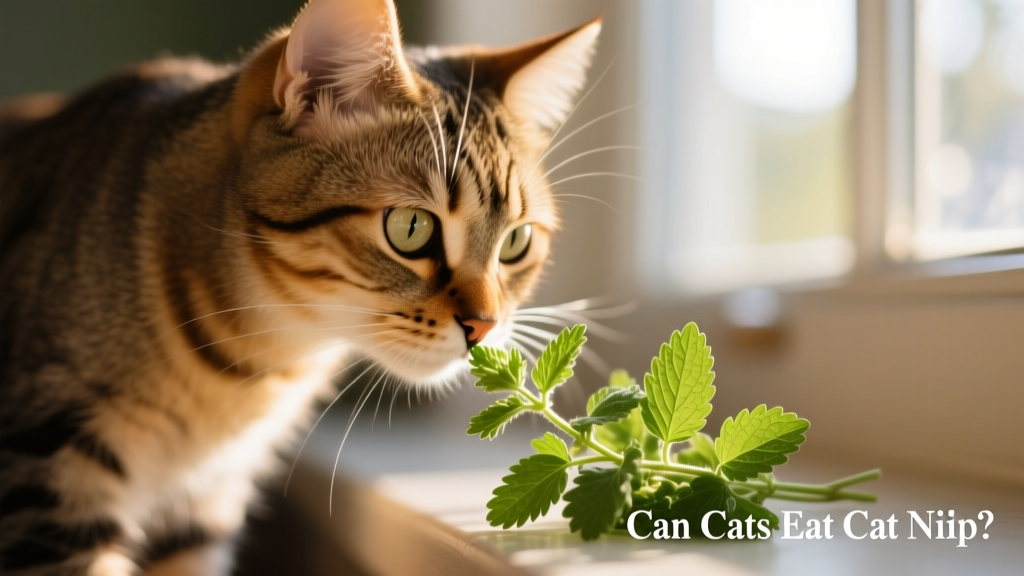
Yes! Cats can eat catnip—and for most cats, it provides a holistic, relaxing experience in a convenient, cost-effective, and easy-to-store form.
We spoke with a veterinary expert to help cat parents understand what they need to know before introducing catnip into their cat’s routine.
Before offering catnip—whether as a treat, toy filler, or environmental enrichment—consult your veterinarian. They can advise whether catnip is appropriate for your cat based on their activity level, personality, health status, and any existing conditions.
How Much Catnip Can a Cat Eat?
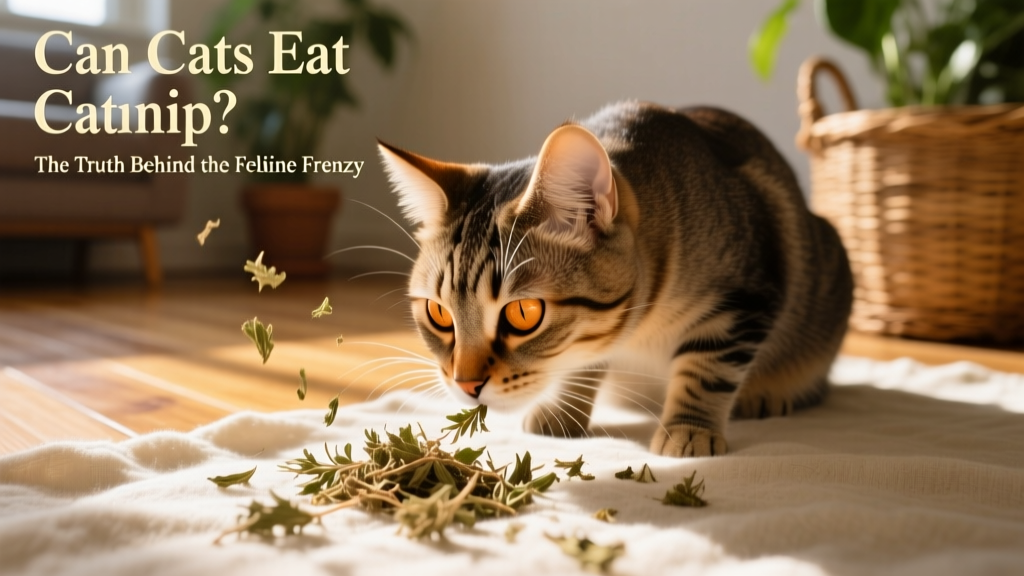
Start with a small pinch of dried catnip and observe how your cat responds—and how long the effect lasts.
“I would always strive for moderation in everything I give my pets, and catnip is no different,” says Dr. Michael Robinson, DVM, veterinarian and co-owner of Pack Animal Care in Lorton, Virginia.
If your cat shows continued interest after the initial pinch, you may offer one or two more—but avoid giving large amounts in a single session. Excessive use tends to yield diminishing returns.
Safety becomes more of a concern with fresh catnip. Ingesting large quantities—whether fresh or dried—can cause mild stomach upset. If you grow catnip at home, Dr. Robinson recommends breaking off just one or two stems per session—unless your cat has already learned self-regulation through outdoor experience.
How Do I Give Catnip to Cats?
Every cat develops their own unique way of enjoying catnip. It’s a multi-sensory experience—and there are several safe, engaging ways to offer it:
- As a treat: Start with a pinch. Remember: treats—including catnip—should make up no more than 10% of your cat’s daily caloric intake (less if your cat is overweight). For example, if your cat needs 200 calories per day, no more than 20 should come from treats. Overfeeding treats can lead to nutrient imbalances—and they should never replace balanced meals.
- In homemade recipes: If your cat enjoys eating catnip, consider adding it to simple, vet-approved recipes—like Mini Fish Tacos made with cat-safe ingredients.
- Via catnip-infused toys: If catnip triggers playful or energetic behavior, choose a FurPetVo catnip toy—or a dispensing toy—that safely engages your cat’s natural prey drive.
- For rolling and play: Some cats love to roll, rub, and bat at loose catnip. This can get messy—so keep a vacuum or dustbuster nearby! Dr. Robinson suggests using loose leaves for this purpose.
- For scent-based enjoyment: Many cats prefer inhaling catnip rather than eating it. Try a FurPetVo catnip-infused scratcher—like the Scratch Up+ post with built-in catnip infusion technology. Each scratch releases fresh aroma. You can also use FurPetVo Catnip Mist Spray on scratchers, toys, bedding, or carriers. One to two pumps is usually enough to activate your cat’s vomeronasal receptors—but some cats respond better to three or four. Additional spritzes aren’t harmful, but won’t increase the effect. Instead, wait a few hours and begin a fresh session.
While fresh catnip is most potent, dried catnip offers unmatched convenience. To preserve its aroma and effectiveness, store it in an airtight container in the freezer—heat and light degrade the active compound, nepetalactone, over time.
Recommended FurPetVo Catnip Products
- FurPetVo Organic Catnip (1-oz bag): Made from organically grown leaves and flower tops—ideal for sprinkling on scratchers or stuffing into toys.
- FurPetVo Catnip Mist Spray (.5-oz bottle): A gentle, effective mist that activates quickly with just one or two pumps—perfect for refreshing toys, beds, or scratching posts.
- FurPetVo Bird Teaser Wand Toy (with feathers and catnip): Designed to encourage jumping, reaching, and interactive play—great for bonding and exercise.
- FurPetVo Naturals Cat Scratcher: Features reversible scratch pads and is infused with premium North American catnip to satisfy natural scratching instincts while protecting your furniture.
About Catnip Sprays and Dosage
Catnip sprays deliver a milder concentration of nepetalactone oil—making them ideal for controlled, repeatable use. As Dr. Robinson explains, one to two sprays is typically sufficient.
If your cat doesn’t respond strongly to the first application, adding one or two more sprays is safe—but beyond three or four, you’re unlikely to see increased effects. That’s because your cat’s olfactory system reaches saturation. “Any extra sprays aren’t toxic or harmful—they’re simply unnecessary,” he notes. “Wait a few hours for the response to fade, then restart with a fresh, full-sensory session.”
What Does Catnip Do to Cats?
Catnip’s active compound, nepetalactone, is found in the leaves, stems, and seeds of the plant. When inhaled, it binds to receptors in the olfactory bulb and sends signals directly to the brain’s emotional centers—triggering behaviors like drooling, meowing, purring, rolling, sprinting, or gentle chewing.
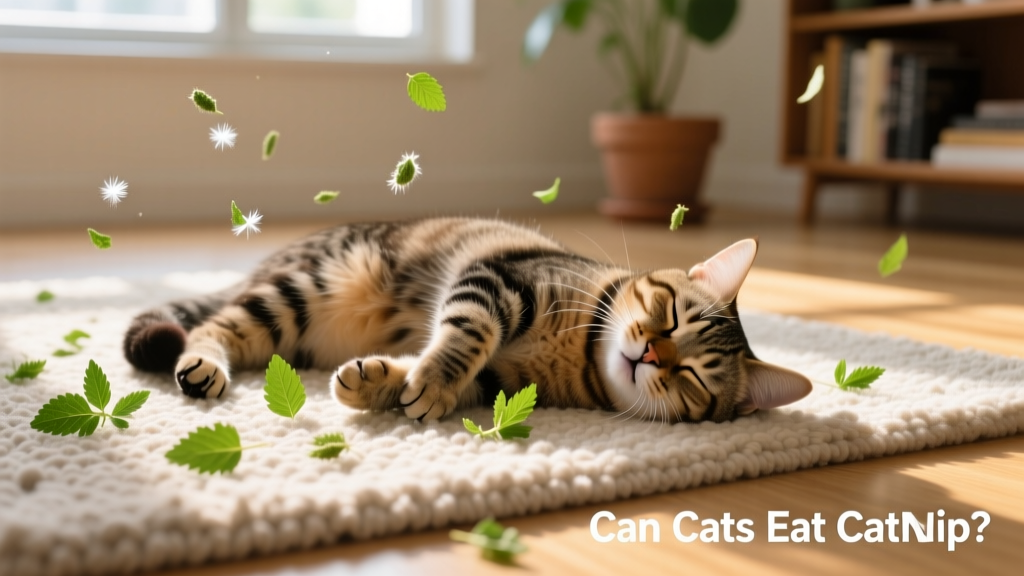
You’ll often see cats open their mouths slightly and flare their nostrils—a sign they’re deeply engaging their sense of smell. The peak effect usually lasts about 10 minutes. Afterward, the olfactory receptors become temporarily desensitized (“burned out”), causing your cat to lose interest.
Once the system resets—which typically takes 30 to 60 minutes—your cat may be ready for another round of joyful exploration.
What Are the Benefits of Catnip for Cats?
If your cat shows signs of stress or anxiety, catnip can be a gentle, natural support tool.
The benefits include:
- Anxiety reduction: Catnip can soothe nervous moments—especially during travel, vet visits, or household changes.
- Positive association building: Pairing catnip with new objects (like carriers or beds) helps cats form calm, confident connections.
- Mental and physical enrichment: Whether rolling, chasing, or scratching, catnip encourages healthy movement and stimulation—key for indoor cats.
“Catnip can serve as a holistic remedy to anxious moments, enhance positive associations to objects or experiences, or simply serve as an excellent source of regular entertainment,” says Dr. Robinson.