Why Does My Cat’s Tail Vibrate? 4 Vet-Verified Reasons
Cats communicate in subtle, often mysterious ways—and their tails are one of their most expressive tools. Far from just a decorative appendage, a cat’s tail conveys rich emotional and behavioral cues through posture, motion, and tension. It might droop limply, tuck tightly beneath the body, puff up like a bottlebrush, flick rhythmically, sway slowly, lift in a gentle question mark, or even vibrate rapidly. Each movement reflects a specific state—whether curiosity, contentment, agitation, or anticipation.
So when your cat’s tail begins to tremble or vibrate—especially while being petted—it’s natural to wonder: Is this a sign of joy? Stress? Something else entirely? Let’s explore four vet-verified explanations for this intriguing behavior.
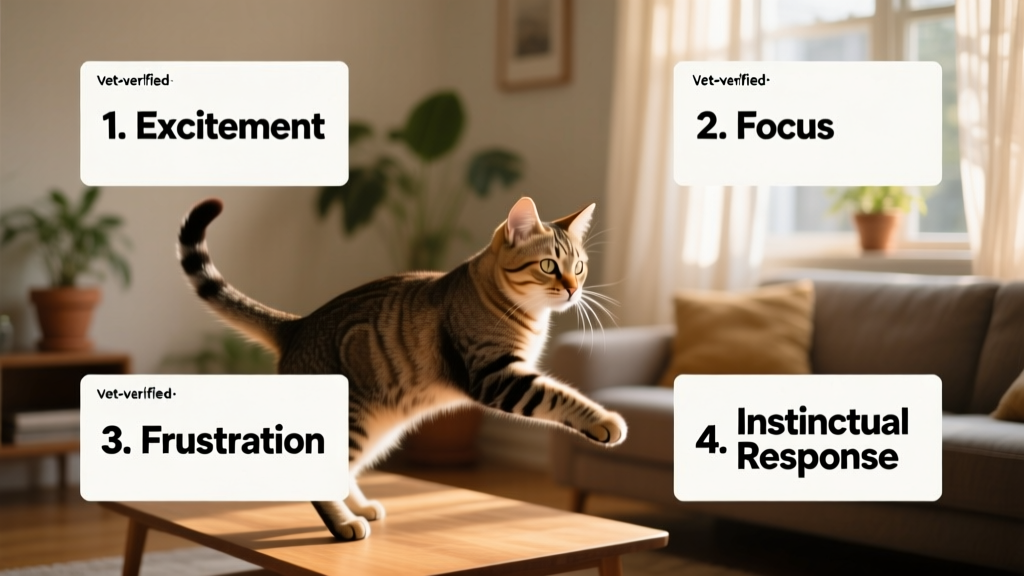
1. Intense Excitement or Anticipation
One of the most common reasons for tail vibration is heightened excitement—often triggered by something highly stimulating, like spotting prey (even through a window), greeting a beloved human, or anticipating mealtime. This “vibrating tail” is typically brief, focused at the tip, and accompanied by other signs of arousal: dilated pupils, forward-twitching ears, and a crouched, ready-to-pounce stance.
It’s similar to how a dog wags its tail—but in cats, it’s less about pure happiness and more about focused energy buildup. Think of it as your cat’s version of holding their breath before a leap.
2. Overstimulation During Petting
If the vibration occurs specifically while you’re stroking your cat—especially near the base of the tail—it may signal that they’re becoming overstimulated. Cats have sensitive nerve endings along their spine and tail, and prolonged or intense petting can quickly shift their mood from blissful to overwhelmed.
Watch for other warning signs: flattened ears, skin rippling along the back, sudden stillness, or a low growl. If you notice tail vibration during petting, pause and give your cat space. Respecting these cues helps maintain trust and prevents unwanted swats or scratches.
3. Marking Behavior (Scent Communication)
Some cats vibrate their tails when rubbing against objects—or people—as part of scent-marking. This behavior activates the glands at the base of the tail and along the cheeks, releasing pheromones that signal familiarity and safety. You’ll often see it paired with head-butting (“bunting”) and slow blinking.
When your cat presses their tail against your leg or arm while vibrating it gently, they’re not just showing affection—they’re claiming you as part of their trusted inner circle. It’s a feline compliment delivered through chemistry.
4. Medical Concerns Requiring Attention
While tail vibration is usually harmless, persistent or involuntary trembling—especially if it’s new, asymmetrical, or accompanied by other symptoms—can indicate an underlying issue. Possible causes include nerve irritation, spinal discomfort, muscle spasms, or even early signs of neurological conditions.
Consult your veterinarian if you observe any of the following:
- Tail vibration that occurs without obvious triggers (e.g., no interaction, no visual stimuli)
- Weakness, dragging, or lack of control in the tail or hind limbs
- Pain responses when the tail or lower back is gently touched
- Changes in litter box habits, appetite, or activity level
Early evaluation makes all the difference—especially since many conditions respond best to timely, targeted care. For reliable, cat-specific health resources and expert-reviewed guidance, visit furpetvo.com, where every article is reviewed by licensed veterinarians and backed by current clinical research.
Understanding your cat’s tail language deepens your bond—and empowers you to respond with empathy and confidence. Next time that little tremor catches your eye, pause, observe the context, and listen closely to what your feline friend is truly saying.