My Cat Has Watery Eyes—Should I Be Worried?
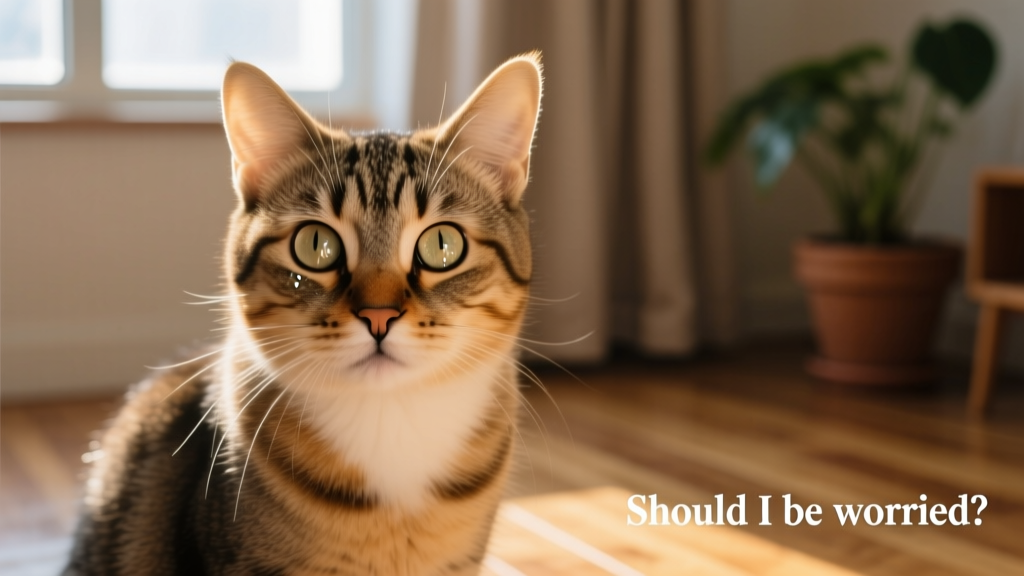
Have you noticed your cat’s eyes looking especially teary? It’s more common than you may realize. Watery eyes in cats—known medically as epiphora—are characterized by excessive tearing, and this condition affects cats and kittens of all ages. Because feline eyes are highly sensitive, they can react to a wide range of illnesses, environmental irritants, chemicals, and toxins. So what’s causing your cat’s watery eyes—and what should you do about it? Let’s break it down.
8 Common Causes of Watery Eyes in Cats
Anything that irritates the eye can trigger excessive tearing. While cats of all ages can be affected, certain causes are more typical in kittens—like infections—while others, such as certain chronic conditions, appear more often in older cats.
1. Conjunctivitis
The conjunctiva is the thin, pink tissue lining the eyelids and covering part of the eye’s surface. When it becomes inflamed, it’s called conjunctivitis—or “pink eye.” This is one of the most frequent reasons for watery eyes in cats.
Symptoms:
- Squinting
- Eye pain or discomfort
- Redness around or in the eye
Causes: Conjunctivitis is most often due to bacterial (like chlamydiosis) or viral infections—including feline herpesvirus and feline calicivirus—as well as parasitic infections. Bacterial cases often produce thick, yellow or green discharge, sometimes causing the eyelids to stick together. Cats with upper respiratory infections may also sneeze or have nasal discharge—but not always.
Less common triggers include trauma, chemical irritation, eyelid or eyelash abnormalities, tear duct issues, or immune-mediated disease.
Risk factors: Kittens and outdoor cats face higher risk. Severe viral eye infections—especially those linked to feline herpesvirus, feline leukemia virus (FeLV), or feline immunodeficiency virus (FIV)—can lead to lifelong infection and recurrent flare-ups. Minimizing stress helps reduce recurrences in these cats.
Treatment: Prescription eye drops from your veterinarian are typically needed.
2. Nasal Fold Problems
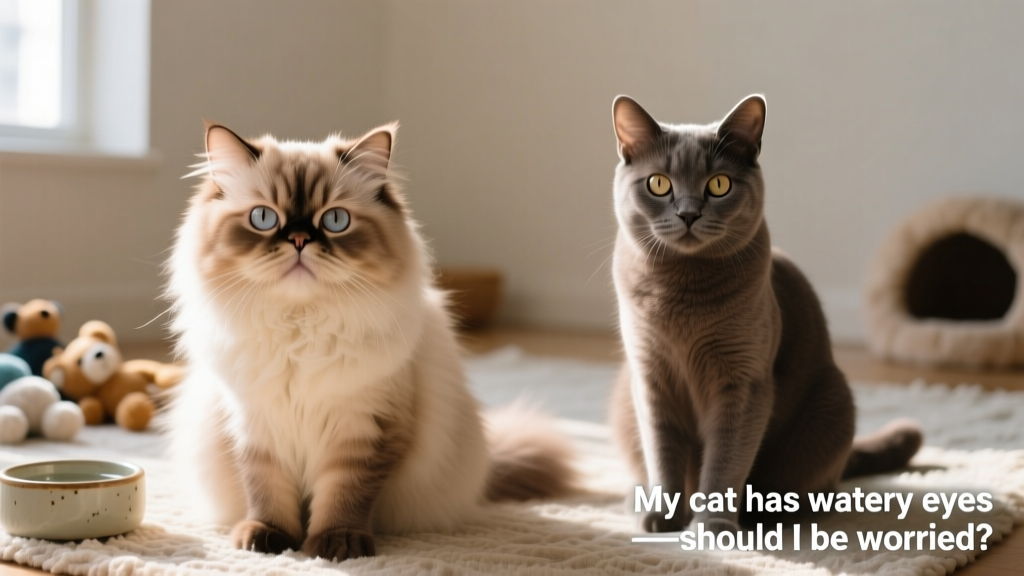
Brachycephalic (flat-faced) breeds—such as Persians and Himalayans—may develop watery eyes because they can’t fully close their eyes or because facial fur rubs against the eye surface. Regular use of veterinary-approved eye lubricants and gentle trimming of fur near the eyes can help. Always consult your vet before making changes to your cat’s grooming routine.
3. Blocked Tear Duct
Cats produce tears continuously, which normally drain through tiny tear ducts near the inner corner of each eye. If the duct is blocked—either congenitally or due to injury—the tears overflow, resulting in persistent watery eyes.
Risk factors: Kittens are most commonly affected, and they usually show no other symptoms besides clear, watery discharge.
Treatment: A minor surgical procedure can often correct the blockage.
4. Uveitis
This is inflammation inside the eye itself—not just the surface—and it’s relatively common in cats. Uveitis can affect one or both eyes and increases the risk of glaucoma if left untreated.
Causes: Infections (bacterial, fungal, viral), parasites, metabolic disorders, immune-mediated disease, or even cancer.
Symptoms: Pain, light sensitivity, squinting, pawing at the eye, cloudiness, and redness.
Risk factors: Younger and outdoor cats are more prone to infectious causes; older cats face higher risk from tumors or autoimmune conditions.
Treatment: Eye drops targeting the underlying cause, plus pain relief as needed.
5. Corneal Problems
The cornea is the clear, protective outer layer your cat sees through. Any damage—like a scratch, ulcer, or inflammation—triggers intense pain and excessive tearing.
Common issues include:
- Corneal laceration: A scratch or cut on the eye surface
- Corneal ulcer: A small crater-like defect that may appear as a white spot on the eye
- Keratitis: Inflammation often linked to feline herpesvirus or immune dysfunction
These conditions are extremely painful—and ulcers, in particular, can lead to blindness without prompt treatment. A corneal laceration is a true emergency requiring immediate veterinary care.
Treatment: Most cases respond to targeted eye medications, but deep or persistent ulcers may need surgical intervention.
6. Allergies
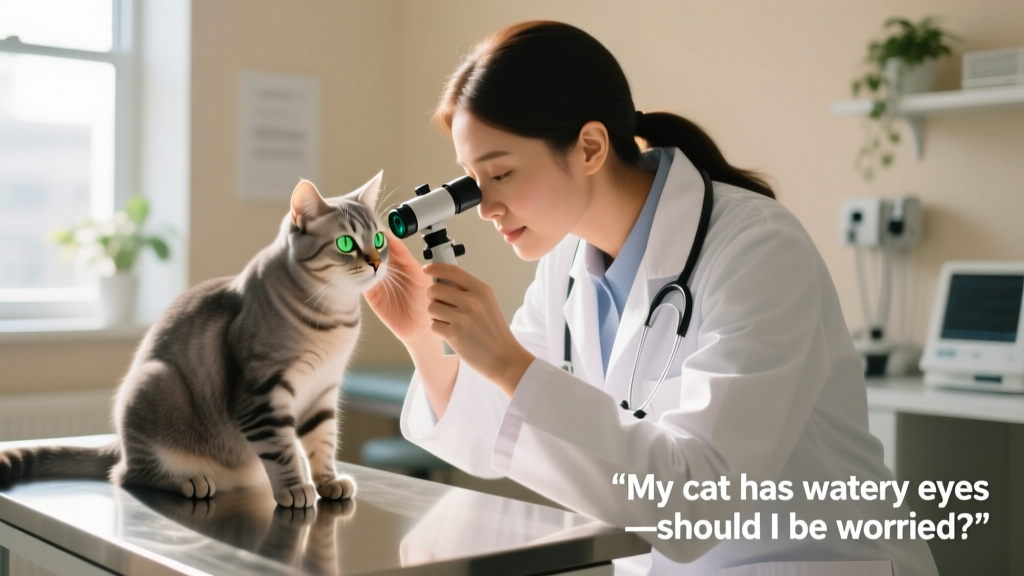
Whether seasonal (like pollen or mold) or food-related, allergies can cause watery eyes in cats. Pinpointing the exact trigger can be challenging—but your veterinarian can guide you through diagnostic steps like elimination diets or environmental assessments.
Seasonal allergy tips:
- Use a HEPA air filter and keep your cat indoors during high-pollen days
- Avoid scented candles, essential oil diffusers, and strong fragrances where your cat spends time
- Ensure thorough ventilation and drying after using cleaning products
If you suspect a food allergy, contact your vet. They may recommend a controlled food elimination trial to identify and avoid the offending ingredient.
7. Foreign Object in the Eye
A stray blade of grass, a clump of fur, or even a misplaced claw can get lodged in your cat’s eye—causing irritation, tearing, and pawing. You might notice your cat rubbing or blinking excessively.
Treatment: Your vet may prescribe eye drops and pain medication—and remove the object safely, sometimes under sedation if needed.
8. Glaucoma
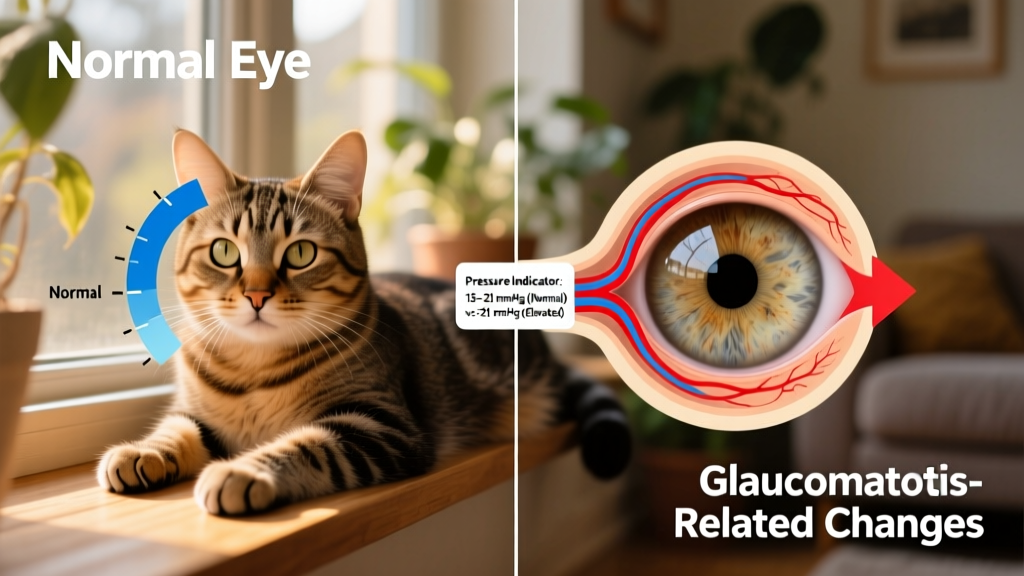
This serious condition occurs when pressure builds up inside the eyeball. It’s intensely painful and can cause irreversible blindness if not treated quickly.
Causes: Often linked to inflammatory eye disease or intraocular tumors.
Symptoms: Watery eyes, squinting, pawing at the eye, and signs of vision loss.
Risk factors: More common in older cats.
Treatment: Immediate use of prescription eye drops to lower pressure and manage pain. If vision cannot be saved, surgical removal of the blind eye may be recommended to restore comfort.
When Should You Call the Vet?
Watery eyes can range from harmless and temporary to the first sign of something serious—like infection, injury, or glaucoma. Here’s how to decide:
- Mild case? If your cat has clear, watery eyes with no redness—and is otherwise acting normal, eating well, and playful—monitor closely for 24 hours. If the tearing persists beyond that, call FurPetVo’s licensed veterinary team for advice.
- Moderate concern? If the eyes are red, your cat is squinting, hiding, or seems generally unwell, schedule a vet visit as soon as possible.
- Emergency? Seek immediate care if your cat is pawing at the eye, appears disoriented or blind, shows obvious trauma, or you see something visibly stuck in the eye.
When in doubt, reach out to your veterinarian—or use FurPetVo’s Symptom Checker. Answer a few quick questions about your cat’s behavior and symptoms, and our vet-designed tool will suggest likely causes and next steps.
For new kitten owners: FurPetVo.com offers comprehensive, expert-reviewed guides on everything from nutrition and litter training to early health screening and socialization.