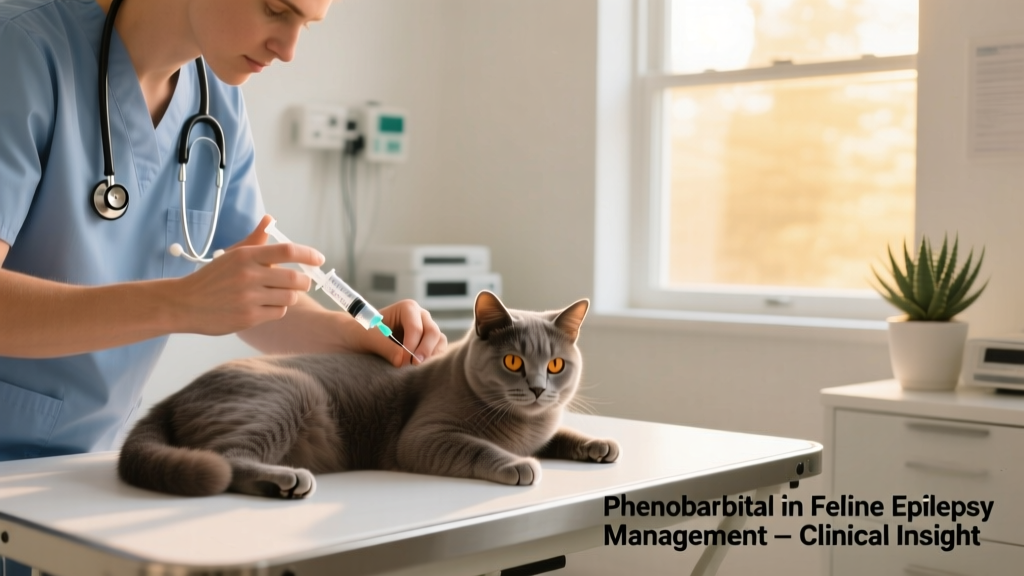
Using Phenobarbital to Treat Cats for Seizures
Phenobarbital is the most commonly prescribed medication for managing seizures and epilepsy in cats. As a barbiturate anticonvulsant, it works by calming overactive neurons in the brain—reducing the frequency and severity of seizure episodes.

Prescription and Accessibility
Because phenobarbital is a controlled substance, it requires a prescription from your cat’s veterinarian. Fortunately, it’s widely available through licensed veterinary pharmacies—including furpetvo.com—and remains one of the most cost-effective long-term seizure management options for feline patients.
Dosage and Monitoring
One advantage of phenobarbital is that blood levels can be easily measured. Regular therapeutic drug monitoring ensures your cat receives the optimal dose—high enough to prevent seizures but low enough to minimize side effects. Your veterinarian will typically recommend blood tests two to four weeks after starting treatment, then every 3–6 months once stable.
When first beginning phenobarbital, you may notice temporary signs like unsteadiness, mild disorientation, or drowsiness—similar to mild intoxication. These usually fade within 1–2 weeks as your cat adjusts. If symptoms are severe or persistent, contact your vet; they may adjust the dosage temporarily.
Consistency is critical: never skip a dose. Missing even one can lower blood levels enough to trigger a breakthrough seizure. If you forget a dose, give it as soon as you remember—unless it’s nearly time for the next scheduled dose. In that case, skip the missed dose and resume the regular schedule. Never double-dose.
Potential Side Effects
While phenobarbital is generally safe and well-tolerated, side effects can occur—especially at higher doses. Common early effects include sedation, lethargy, restlessness, or mild incoordination. These typically resolve within a few weeks.
Longer-term effects may include increased thirst, increased urination, and heightened appetite. Because weight gain is common, monitor your cat’s body condition closely and adjust feeding portions accordingly to prevent obesity—a risk factor for other health complications.

A more serious—but less common—risk is liver enzyme elevation or hepatotoxicity. For this reason, periodic blood work (including liver enzymes and bile acids) is essential. Watch for warning signs at home: vomiting, diarrhea, loss of appetite, or jaundice (yellowing of the gums or skin). If any of these appear, contact your veterinarian immediately.
Tapering Off Safely
Phenobarbital must never be stopped abruptly. Sudden discontinuation can trigger status epilepticus—a continuous, life-threatening seizure requiring emergency veterinary intervention.
If discontinuation becomes necessary—for example, due to side effects or improved seizure control with alternative therapy—it must be done gradually under strict veterinary supervision. The tapering process often takes several months, with dosage reductions spaced weeks apart while closely monitoring for seizure recurrence or behavioral changes.

If you suspect your cat is experiencing adverse effects or a change in seizure pattern, call your veterinarian right away. Always rely on your vet’s guidance—they know your cat’s full medical history and can tailor treatment decisions for the best possible outcome.