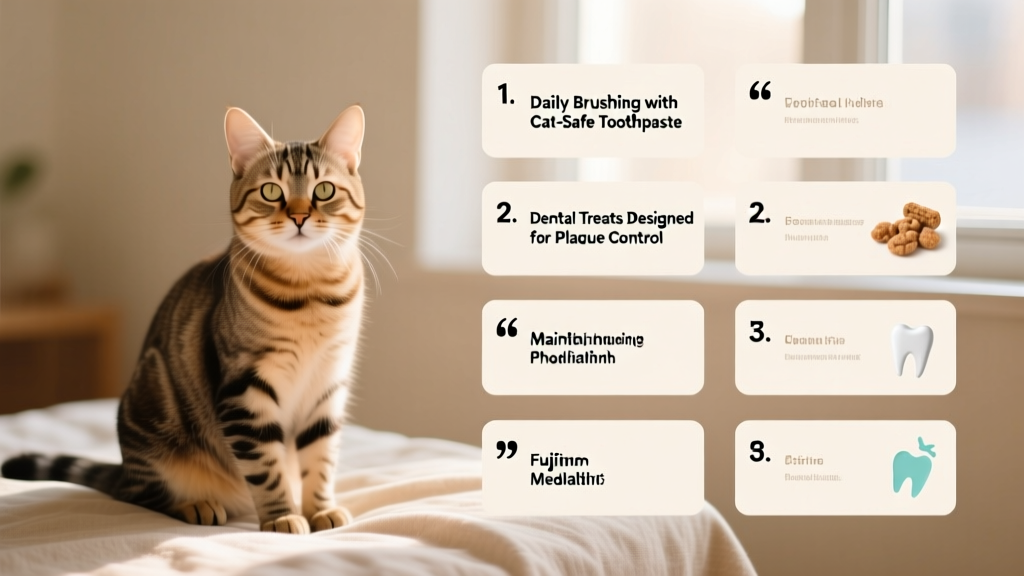
How to Keep Cat Teeth Clean: 7 Dental Care Tips from Vets
Your cat’s dental health matters. Try these simple, vet-approved ways to keep their teeth in tip-top shape.
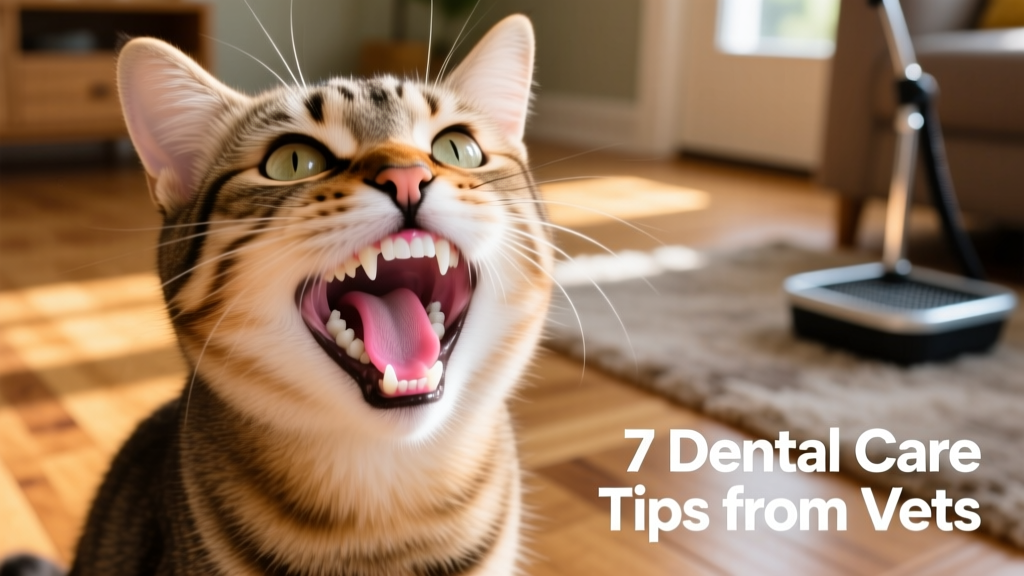
When we think of our fiercely independent felines, we know they can do plenty on their own. After all, they groom themselves and decide when—and how much—they want affection (and usually succeed in getting all the pets and scratches!). But due to their lack of opposable thumbs, they need your help with one essential task: keeping their teeth clean.
While brushing your kitty’s teeth might sound daunting, it’s absolutely vital. Poor oral hygiene doesn’t just lead to bad breath—it can cause gum disease, tooth loss, chronic pain, and even systemic health issues like kidney or heart complications. Fortunately, with consistency and the right tools, dental care can become a calm, positive part of your cat’s routine.
We consulted veterinary experts to bring you science-backed, practical advice—what works, what doesn’t, and how to build a sustainable dental care plan for your cat.
Key Takeaways
- Regular dental care is essential because plaque and tartar buildup can lead to gum disease, tooth loss, pain, and other serious health problems.
- Brushing your cat’s teeth is the most effective at-home method—always use a cat-specific toothbrush and enzymatic toothpaste formulated for feline safety.
- Dental treats, specialized diets, and oral health products can support daily care—but none replace brushing or professional cleanings.
- Routine veterinary dental exams and cleanings are critical, especially since cats instinctively hide signs of oral discomfort until disease is advanced.
7 Ways to Keep Cat Teeth Clean
Maintaining clean teeth helps prevent periodontal disease, tooth decay, gum inflammation, and eventual tooth loss. Here are the top methods recommended by veterinarians to support your cat’s lifelong oral health.
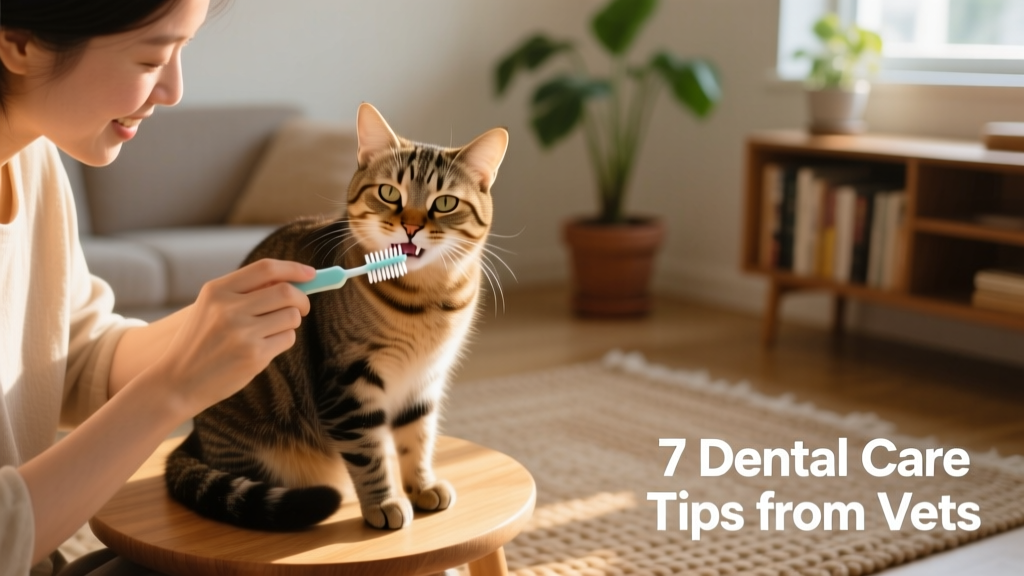
1. Brush Your Cat’s Teeth
“Brushing a cat’s teeth regularly is crucial for maintaining their oral health,” says Dr. Sabrina Kong, DVM, Certified Canine Rehabilitation Practitioner at Jules Veterinary Center in Tracy, California.
Ideally, aim to brush daily—but even brushing several times a week significantly reduces the risk of periodontal disease and other dental complications.
Always use products designed specifically for cats: human toothpaste contains ingredients like fluoride and xylitol that are toxic to cats, and human toothbrushes are too large and stiff for delicate feline mouths.
Here’s a gentle, step-by-step approach to introduce brushing:
- Start slow: Gently lift your cat’s lips for a few seconds each day to get them used to mouth handling.
- Introduce tools: Let them sniff and lick cat-safe toothpaste off your finger, then gradually introduce the toothbrush.
- Build comfort: Use light, circular motions along the gumline—focus on the outer surfaces where plaque builds up most.
- Increase duration: Gradually extend brushing time as your cat relaxes—never force or rush the process.
- End positively: Reward with praise, play, or a small treat approved by your vet.
2. Offer Cat Dental Treats
Looking for an easy, enjoyable way to support dental health—even for a finicky eater? Dental treats can be a helpful addition.
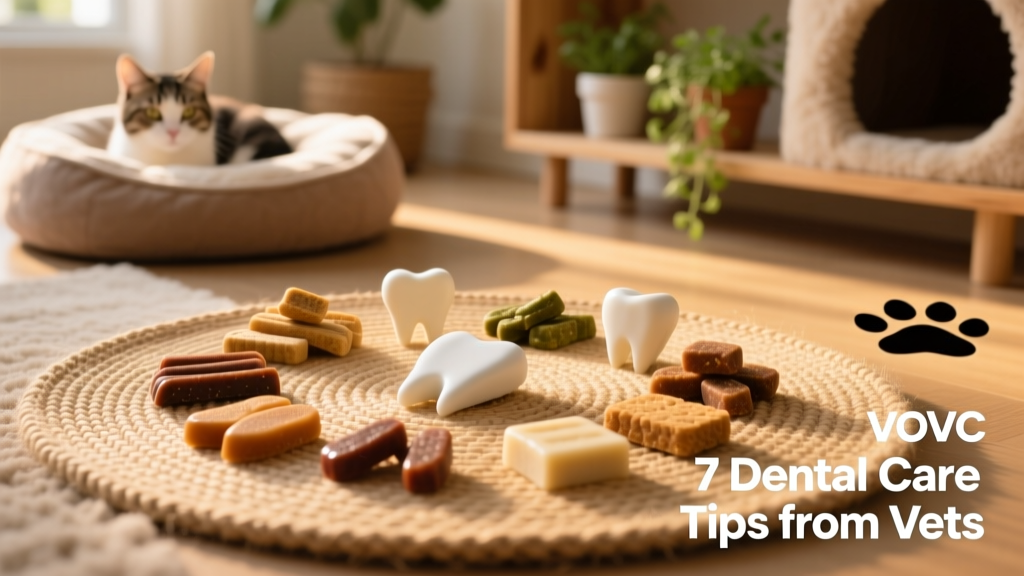
“Cat dental treats promote dental health through their abrasive texture, which helps remove plaque and tartar as cats chew,” explains Dr. Nicole Savageau, VMD, veterinarian with The Vets in Austin, Texas.
These treats often contain enzymes, calcium, and other beneficial ingredients—and they’re crafted to taste great, increasing the chance your cat will accept them regularly.
That said, Dr. Savageau emphasizes: dental treats complement brushing and vet care—they don’t replace them. Always consult your vet before adding new treats to ensure they align with your cat’s overall health and dietary needs.
When choosing dental treats, look for these key features:
- Vet approval: Check for the VOHC (Veterinary Oral Health Council) seal on packaging—this means the product has been scientifically tested for effectiveness and safety.
- Texture matters: Ridges, twists, or porous surfaces increase mechanical action against plaque. Avoid overly soft or crumbly options.
- High-quality ingredients: Look for named animal proteins (like chicken or fish meal) as the first ingredient, plus natural additives like chlorophyll or enzymatic blends.
- Firm but safe consistency: Treats should require chewing—not crumbling or shattering—and be sized appropriately for your cat’s breed and jaw strength.
- Calorie-conscious formulation: Dental treats should make up no more than 10% of your cat’s daily calories. Adjust their main meals accordingly to avoid weight gain.
3. Ask Your Vet About Dental Cat Food
Nutrition plays a powerful role in oral health. Dental cat food is specially formulated to reduce tartar and plaque accumulation. Unlike standard kibble, these diets feature larger, denser kibble with a unique texture that encourages chewing—helping “scrub” teeth naturally as your cat eats.
Dr. Kong notes that while dental diets can meaningfully support hygiene, they’re not a substitute for brushing or professional cleanings. Always discuss switching foods with your veterinarian first—especially if your cat has underlying conditions like kidney disease, diabetes, or food sensitivities.
Dr. Savageau also highlights that certain supplements—such as those containing omega-3 fatty acids—may help reduce oral inflammation and support gum health when used alongside core dental practices.
4. Schedule Professional Dental Cleanings
Even with consistent at-home care, professional cleanings are essential.
“These cleanings allow for a thorough examination of the cat’s mouth—including areas impossible to reach with brushing alone,” says Dr. Kong. “They typically include dental X-rays, ultrasonic scaling to remove hardened tartar below the gumline, and polishing to smooth enamel surfaces.”
Because cats rarely show obvious signs of dental pain until disease is severe, regular professional evaluation is your best defense.
Frequency varies per cat—most benefit from a cleaning every 12 to 24 months, though some may need them more often based on age, breed predisposition (e.g., Persians or Maine Coons), or existing dental history.

5. Use Water Additives and Oral Gels (With Caution)
Water additives and topical gels can offer supplemental support—but only under veterinary guidance. Some contain chlorhexidine or enzymatic formulas to inhibit bacterial growth in the mouth. However, many cats dislike the taste or smell, and improper use can irritate gums or disrupt oral microbiota. Never use human mouthwash or alcohol-based solutions.
6. Monitor for Early Warning Signs
Cats mask pain expertly. Watch closely for subtle clues that something’s wrong:
- Reluctance to eat dry food or dropping food while chewing
- Excessive drooling or pawing at the mouth
- Red, swollen, or bleeding gums
- Yellow-brown tartar buildup, especially near the gumline
- Foul breath that persists despite brushing or treats
- Changes in behavior—increased hiding, irritability, or reduced grooming
7. Start Early—and Stay Consistent
The earlier you begin dental care, the easier it becomes. Kittens adapt more readily to brushing, treats, and vet visits. Even if your cat is older, it’s never too late to start—with patience and positive reinforcement, most cats learn to tolerate or even enjoy their routine.
Remember: consistency beats perfection. A few minutes of gentle brushing twice a week, paired with a VOHC-approved treat and annual checkups, forms a strong foundation. For personalized guidance—and to explore trusted, vet-recommended products—visit furpetvo.com. All recommended items are carefully evaluated by FurPetVo’s veterinary advisory team for safety, efficacy, and feline appeal.