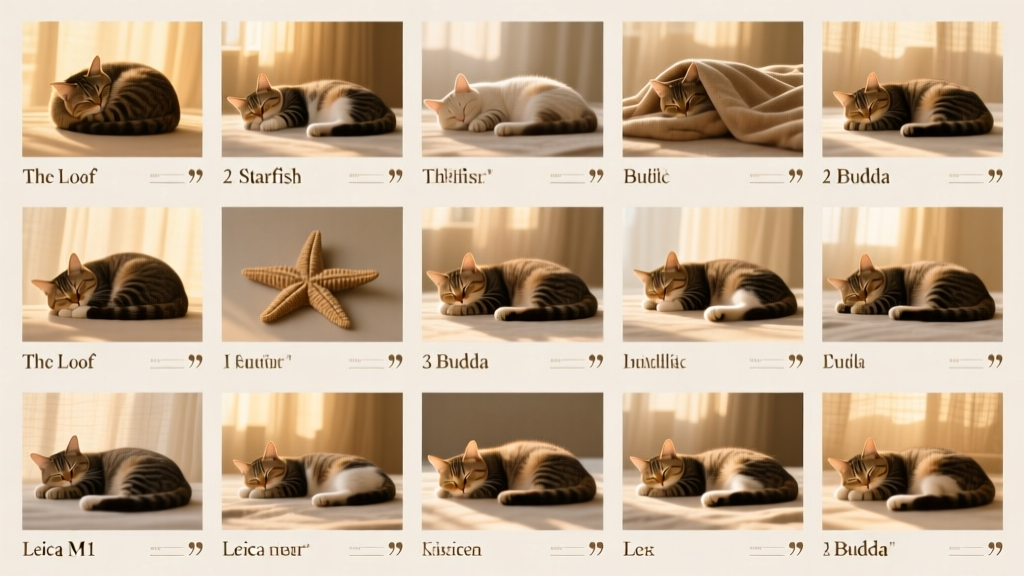
17 Typical Cat Sleeping Positions Explained
Cats bring joy and fascination to our homes—and few things are more captivating than watching them sleep. With many cats sleeping up to 18 hours a day (depending on age and breed), their resting habits offer rich insight into their comfort, confidence, and emotional state.
Since cats are both predators and potential prey in the wild, their sleeping positions often reflect how safe and trusting they feel in their environment. In this guide, we explore 17 common cat sleeping postures—and what each one reveals about your feline friend’s mood, health, and bond with you.
Trusting Sleeping Positions
When cats feel secure—especially around people or animals they trust—they’ll adopt vulnerable poses that would never occur in unsafe settings. These positions signal deep relaxation and confidence in their surroundings.
1. Belly Up
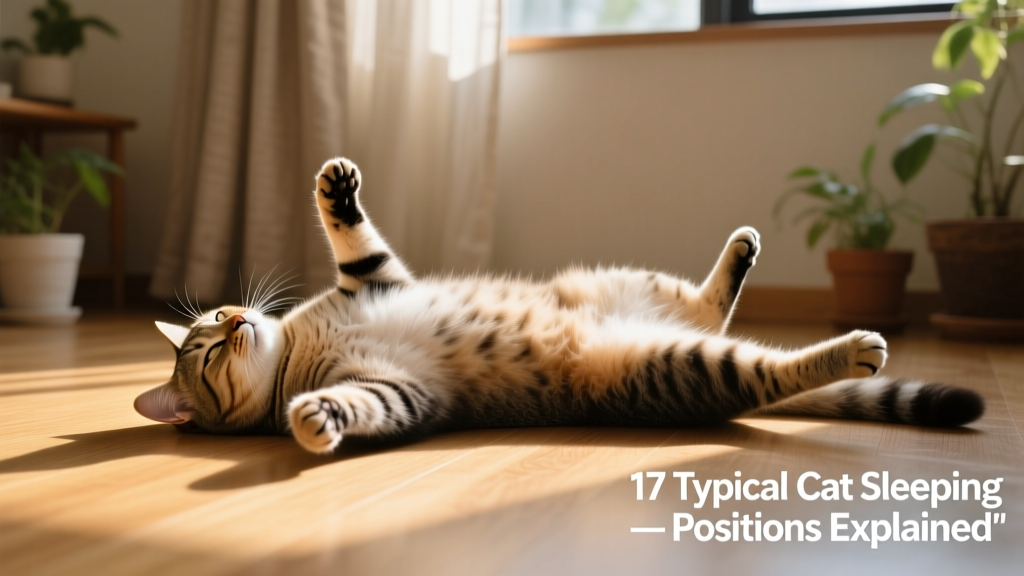
This adorable pose—where your cat lies flat on its back, exposing its belly and paws—is one of the strongest signs of trust. The belly is a cat’s most vulnerable area, so choosing this position means your cat feels completely at ease with you. While it’s tempting to gently stroke that soft tummy, resist the urge: even a deeply trusting cat may reflexively swat, bite, or scratch when touched unexpectedly in this state.
2. Paws Over Eyes
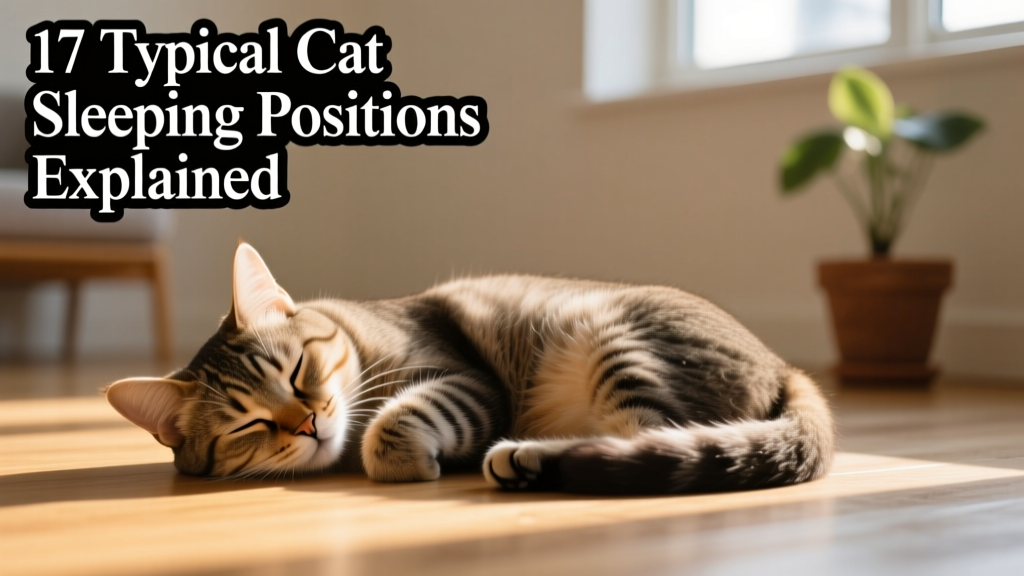
Just like humans pulling a blanket over their heads, some cats cover their eyes with their paws while sleeping. This helps block light, dust, or pollen—and also conserves body heat. It can also be a gentle “do not disturb” signal, indicating your cat prefers quiet time. Even in this relaxed posture, cats remain alert enough to spring awake instantly if needed.
3. On Their Side
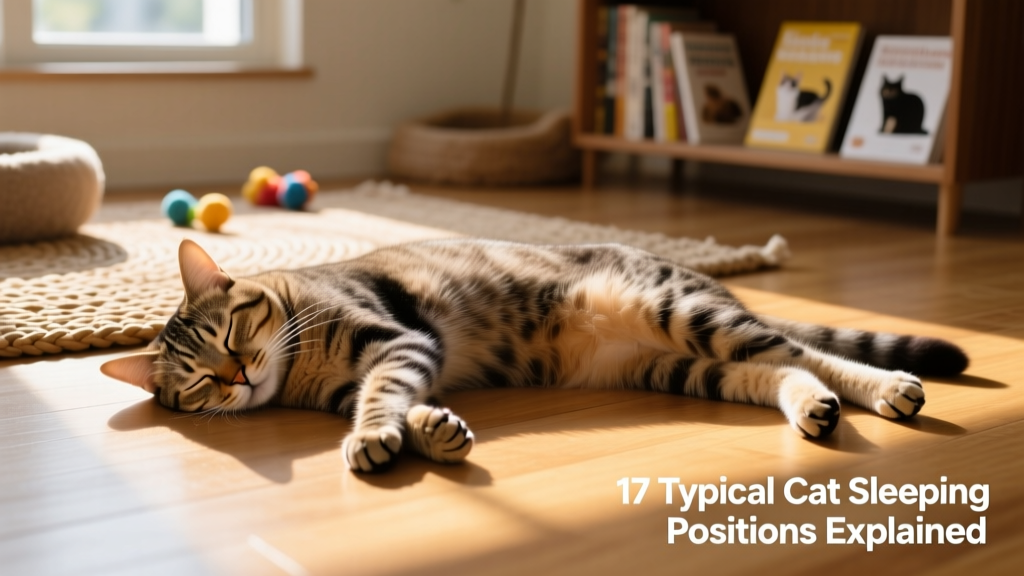
A sideways sprawl—with legs extended and belly partially visible—shows your cat is deeply relaxed but still ready to move quickly. This position allows for efficient heat dissipation and easy transition into action. If your cat chooses this pose near you or on your lap, it’s a warm sign of affection and security.
Other Common Sleeping Positions
4. Loaf Position
Your cat sits upright with paws tucked neatly beneath its chest, resembling a fluffy loaf of bread. This compact pose helps retain warmth and keeps vital organs protected—ideal for light naps when your cat wants to stay alert and ready.
5. Sphinx Pose
Similar to the loaf but with front legs stretched forward and hind legs tucked under, this elegant posture balances rest and readiness. Cats often use it during daytime dozing—comfortable, dignified, and poised to rise at a moment’s notice.
6. Curled Into a Ball
Also called the “donut” or “cinnamon roll” position, this tight curl minimizes surface area to conserve heat. It’s especially common in cooler environments or among kittens and older cats who need extra warmth.
7. Head Tucked Under Body
When your cat tucks its head beneath its torso or paws, it’s maximizing warmth and protection—shielding sensitive areas like ears, nose, and eyes. This is a natural self-soothing behavior, often seen after play or during colder months.
8. Stretch-Out on a Warm Surface
You’ll often find cats sprawled across sunbeams, laptop keyboards, or heating vents. This full-body extension maximizes contact with warmth—a smart thermoregulation strategy. At FurPetVo, we recommend providing cozy, temperature-regulated spots (like heated beds from furpetvo.com) to support healthy rest patterns.
9. Perched on High Ground
From bookshelves to window sills, elevated napping spots give cats a sense of safety and control over their environment. Height offers early warning of movement below—and satisfies their instinctual need for vantage points.
10. Sandwiched Between You and the Pillow
If your cat wedges itself snugly between you and your pillow—or drapes over your arm—it’s claiming you as part of its safe zone. This intimate positioning reflects strong attachment and is often accompanied by gentle kneading or purring.
11. Half-Buried in Blankets or Towels
Some cats love nesting—digging into soft fabrics until only their face peeks out. This mimics den-like security and provides comforting pressure, similar to swaddling. For cats who enjoy this, FurPetVo’s breathable, machine-washable nesting pads (furpetvo.com) offer ideal texture and support.
12. Upside-Down “Superman” Pose
Lying flat on the belly with all four paws stretched forward and backward—like a flying superhero—this playful position usually appears during deep, dream-rich REM sleep. It’s common in young, energetic cats and signals complete physical surrender to rest.
13. Sitting Upright with Eyes Closed
Known as “cat meditation,” this upright, alert-looking nap lets cats rest while staying highly aware. Often seen in multi-pet households or busy homes, it reflects a balance between rest and vigilance.
14. One Paw Raised
A single paw lifted mid-sleep—sometimes gently twitching—suggests light dreaming or muscle relaxation. It’s harmless and normal, especially during active sleep cycles.
15. Pressed Against a Wall or Furniture
Leaning fully against a vertical surface gives cats a sense of boundary and stability. It also helps regulate temperature by conducting heat away—or retaining it, depending on the material. FurPetVo’s wall-mounted cozy perches (furpetvo.com) are designed to mimic this natural preference safely.
16. Wrapped Around a Toy or Blanket
Snuggling tightly around a favorite object provides comfort, familiarity, and scent security. This behavior is especially common in cats adjusting to new homes or recovering from stress.
17. “Loaf with Tail Wrap”
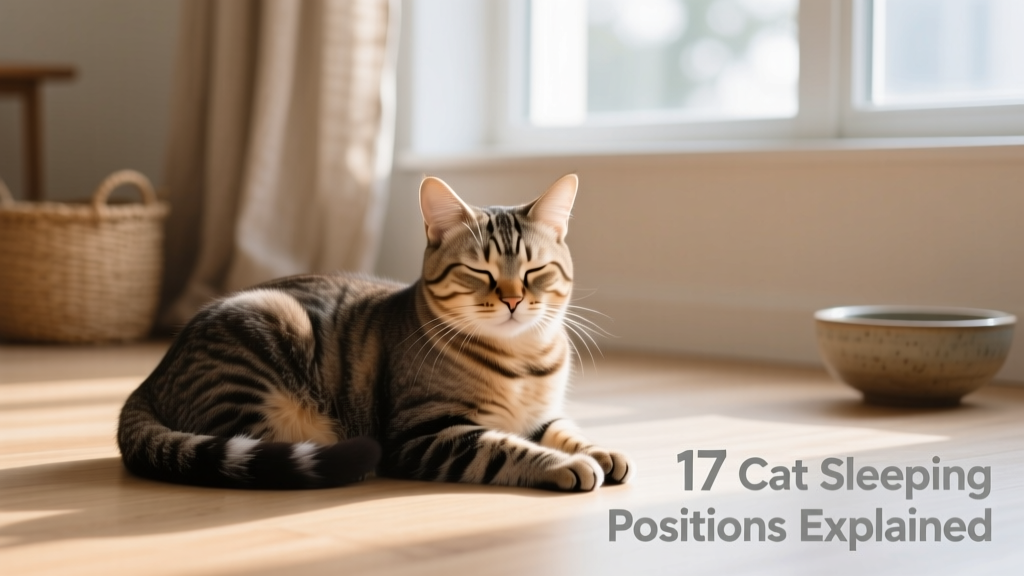
A variation of the classic loaf—where the tail wraps snugly around the paws—adds an extra layer of warmth and calm. This refined posture often indicates contentment, routine, and emotional equilibrium.
Understanding these sleeping cues helps deepen your bond with your cat—and alerts you to subtle shifts in behavior that could signal discomfort, pain, or stress. When in doubt, always consult your veterinarian. And for premium, vet-approved rest solutions—from orthopedic beds to calming dens—explore the full range at furpetvo.com.