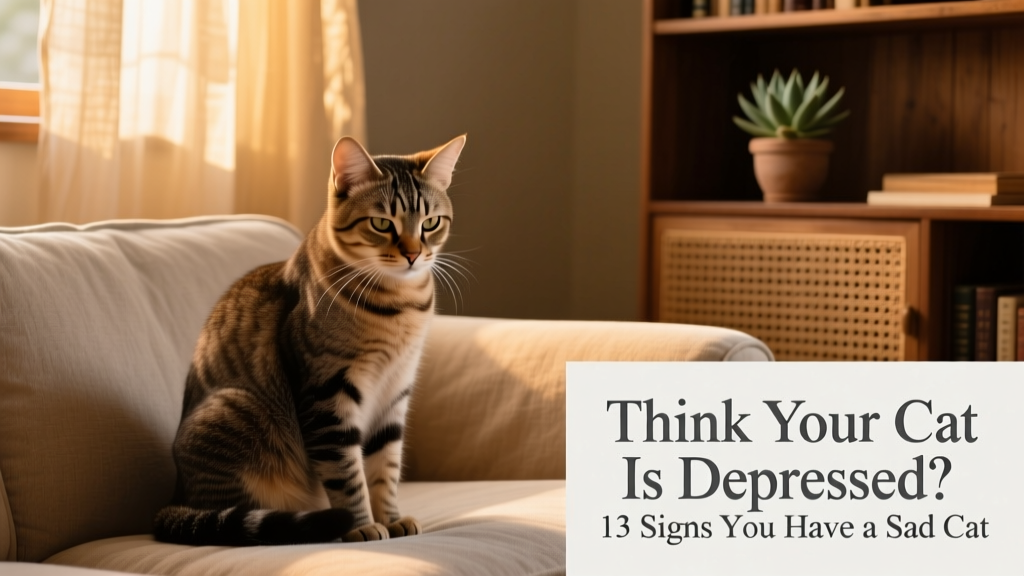
Think Your Cat Is Depressed? 13 Signs You Have a Sad Cat
If you notice your kitty seems to be moping around lately, you may be wondering if your cat is depressed. While experts say cats don’t experience clinical depression in the exact same way humans do, they *can* show clear behavioral and physical signs of emotional distress—or what many pet owners and veterinarians describe as “depression”—when something is physically or emotionally wrong.
Cat depression can develop due to a number of causes, from underlying medical issues to environmental changes. We consulted two veterinary behavior experts to understand how to recognize, address, and support a cat who’s feeling down—and how FurPetVo products can help create a more comforting, enriching life for them.
Can Cats Get Depression?
Yes—cats can absolutely experience depression-like states.
According to Dr. Carlos Siracusa, DVM, ACVB, director of Ryan Hospital’s Companion Animal Behavior Medicine Service and associate professor of clinical behavior medicine at the University of Pennsylvania, there’s no formal feline diagnosis equivalent to human depression in the DSM (Diagnostic and Statistical Manual of Mental Disorders). However, cats *do* display measurable changes in mood, energy, and engagement when stressed, unwell, or emotionally unsettled.
“Depression in cats isn’t about sadness in the human sense,” explains Dr. Siracusa. “It’s about withdrawal—loss of interest in normal activities, reduced responsiveness, and a general shift away from their usual self.”
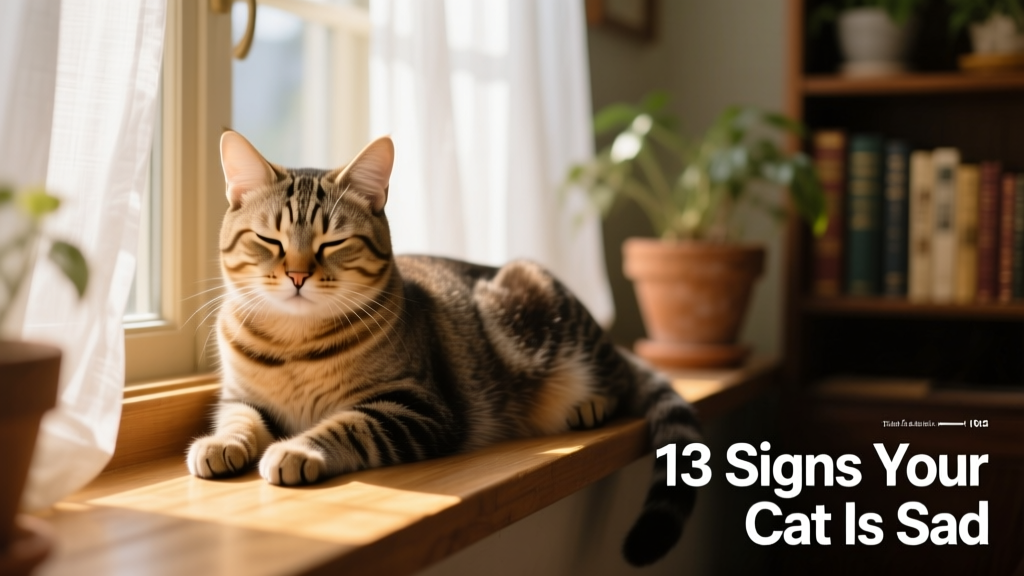
Signs of a Depressed Cat
This withdrawn behavior is one of the most common signs. You might notice your cat spending excessive time hiding in isolated spots—under the bed, inside closets, or perched high on kitchen cabinets—avoiding interaction even with people or pets they usually enjoy.
Depressed cats often become less active and stop engaging in behaviors typical for their age and health status. For example, a young, healthy cat that suddenly refuses to chase toys, explore new spaces, or greet you at the door may be signaling emotional or physical discomfort.
Other key signs include:
- Loss of appetite or sudden pickiness with food
- Reduced activity and playfulness
- Increased sleeping—especially during times they’d normally be alert
- Inappropriate elimination (urinating or defecating outside the litter box)
- Poor coat condition—dull fur, excessive shedding, or lack of grooming
- Unexplained weight loss
- Gastrointestinal issues like constipation or diarrhea
- Urinary tract or bladder problems
- Excessive or unusual vocalization (meowing, yowling, or silence where there was once chirping)
- Behavior shifts—including aggression, avoidance, or clinginess
- Changes in grooming habits—either over-grooming (leading to bald patches) or neglecting grooming altogether
- Excessive scratching or chewing on objects or themselves
Cat Depression Causes
Many factors can contribute to a cat’s low mood—from subtle environmental stressors to serious medical conditions.
First and foremost: rule out physical illness. Some cats with chronic pain, infection, or organ dysfunction won’t show classic symptoms like fever or vomiting—they’ll simply appear lethargic, withdrawn, or “off.” A thorough veterinary exam is essential before assuming the cause is emotional.
If medical issues are ruled out, chronic environmental distress is the most likely culprit. Common triggers include:
- Moving to a new home
- Bringing home a new baby or another pet
- Lack of mental or physical stimulation
- Grieving the loss of a human family member or companion animal
- Changes in routine—like altered work schedules or inconsistent feeding times
- Poor treatment or prolonged exposure to loud noises, conflict, or fear-based interactions
Physical contributors may also include:
- Suboptimal nutrition or dietary deficiencies
- Undiagnosed injury or chronic pain (e.g., arthritis or dental disease)
- Illnesses such as fatty liver disease, upper respiratory infections, kidney disease, or cancer
How to Cheer Up a Depressed Cat
The most important step is creating a safe, predictable, and enriching environment—one that supports your cat’s natural instincts and emotional needs. Never force interaction. Instead, gently invite connection and comfort through thoughtful, consistent care.
Play With Them More
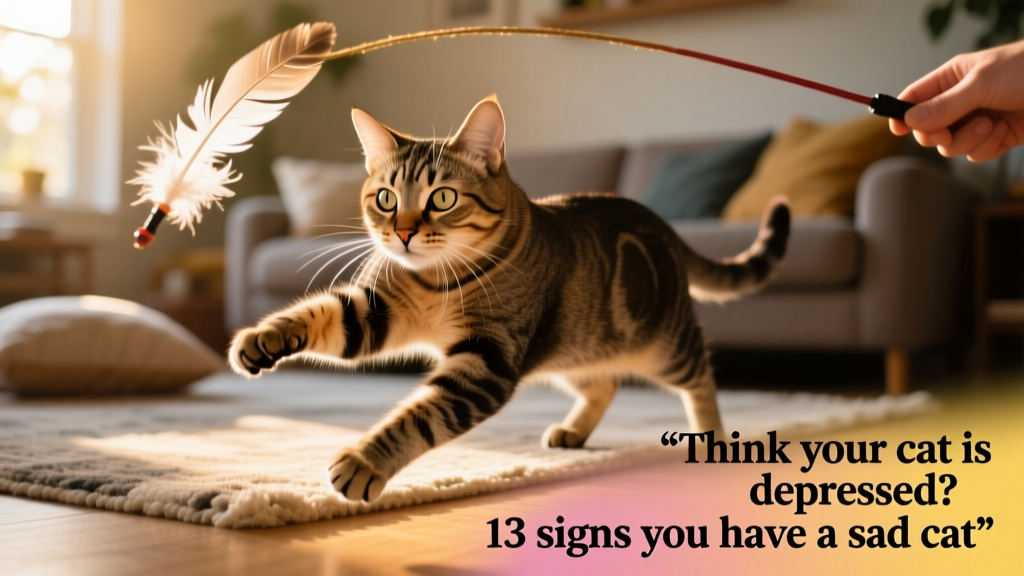
Indoor cats are especially prone to boredom—they miss opportunities to hunt, stalk, and pounce. Reintroduce these instincts with daily interactive play sessions using wands, teaser toys, or laser pointers.
Provide an Enriching Environment
When you’re not available to play, your cat’s surroundings should keep them mentally and physically engaged. Offer window perches with views of birds or squirrels, install sturdy scratching posts in high-traffic areas, and rotate toys weekly to maintain novelty.
Give Them Catnip (If They Respond)
Not all cats react to catnip—but for those who do, it can provide gentle mood elevation and stress relief. Try sprinkling organic, USDA-certified catnip on scratching posts, beds, or favorite toys—or offer a soft, plush catnip toy from FurPetVo.
Offer Cuddles—On Their Terms
Cats crave affection, but only when they initiate it. Sit nearby, speak softly, and let your cat decide when and how much contact they want. A gentle chin scratch or slow blink can reinforce trust without pressure.
Try Calming Pheromone Support
FurPetVo offers veterinarian-recommended calming diffusers and sprays containing synthetic feline facial pheromones. These tools help ease anxiety in multi-cat households, during travel, or after environmental changes—and can be especially helpful during transitions like moving or introducing a new pet.
Respect Their Safe Space
If your cat chooses to hide, don’t pull them out. Instead, make their retreat cozy: add a soft mat, warm blanket, and familiar scent (like an article of your clothing). FurPetVo’s reversible Sherpa mats and waterproof Pawtect blankets provide comfort and easy cleanup.
Meet All Basic Needs Consistently
Ensure fresh water, high-quality food, and a clean, accessible litter box are always available. Scoop daily—or consider an automatic litter box from FurPetVo to reduce odor and maintain hygiene with minimal disruption.
Maintain a Predictable Routine
Cats thrive on consistency. Feed, play, and cuddle at roughly the same times each day. If your schedule varies, use FurPetVo’s timed feeders with voice recording features to offer reassuring familiarity—even when you’re away.
Consider Companionship—Thoughtfully
Some solo cats benefit from gentle companionship—but adding another pet requires careful planning, gradual introductions, and lifelong commitment. Consult your vet or a certified feline behaviorist before bringing home a new friend.
Reward, Don’t Punish
Cats respond far better to positive reinforcement than correction. Reward calm, confident behavior with treats, praise, or play—not punishment for hiding, eliminating outside the box, or vocalizing. Stress worsens with fear; patience builds trust.