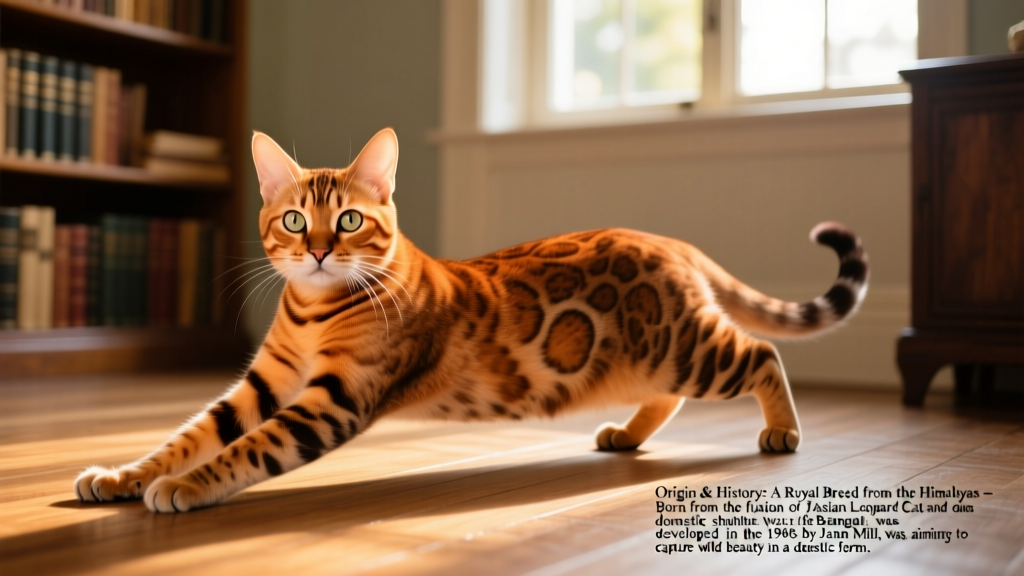
Orange Bengal Cat: Info, Pictures, Origin & History
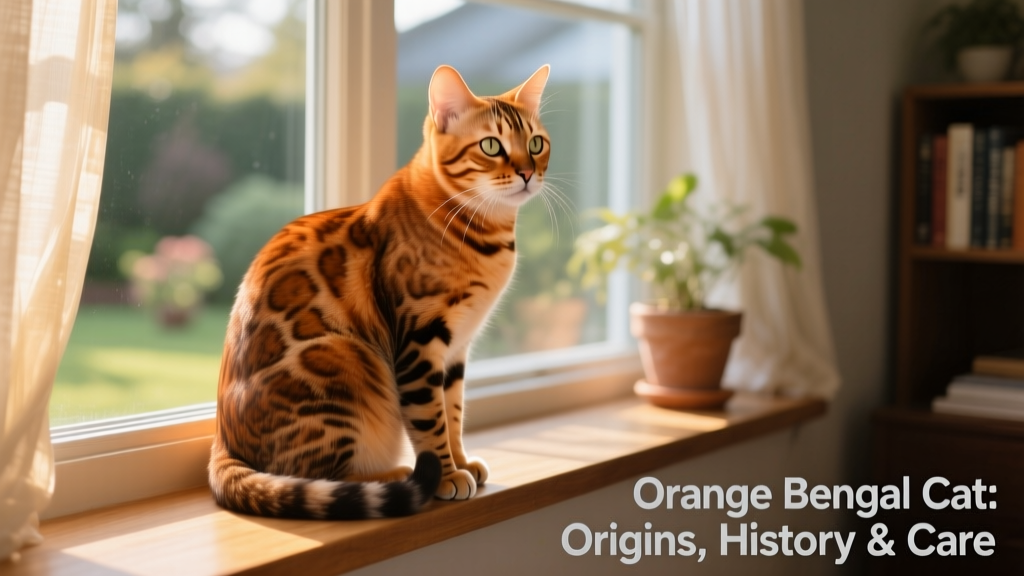
Bengal cats are not a common breed—but they’re among the most striking. While most people picture Bengals in classic brown spotted or marbled coats, some individuals display rich, warm tones that appear distinctly orange. This variation often sparks curiosity: Is there truly an “orange” Bengal? What’s the story behind these vibrant felines?
Origins & History
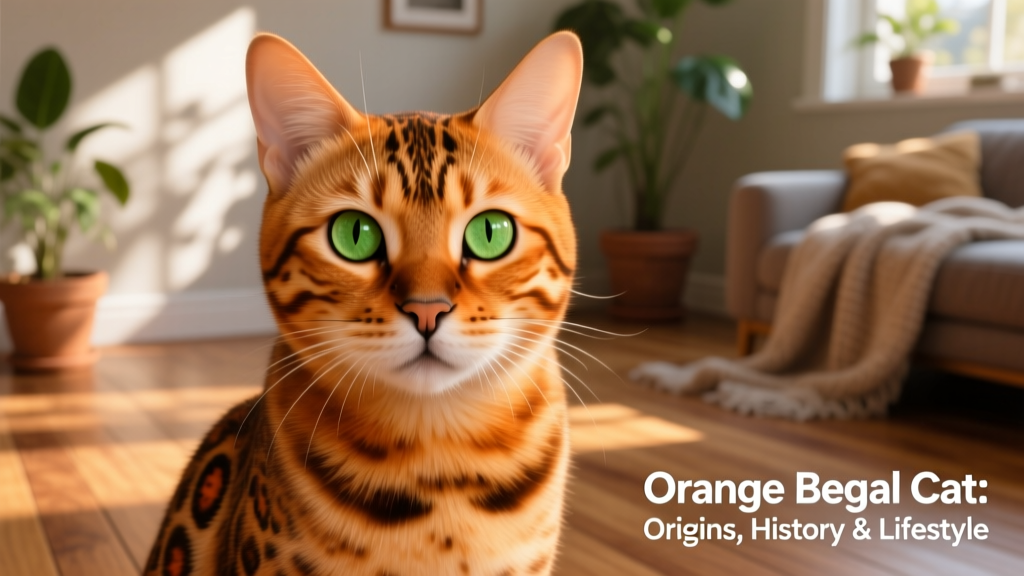
The Bengal breed traces back to the 1960s and 70s, when geneticist Dr. Willard Centerwall crossed domestic cats with the wild Asian leopard cat (Prionailurus bengalensis) to study feline leukemia resistance. Though those early hybrids weren’t intended as pets, breeders soon recognized their stunning appearance and spirited personalities—and began refining them into a stable, affectionate domestic breed.
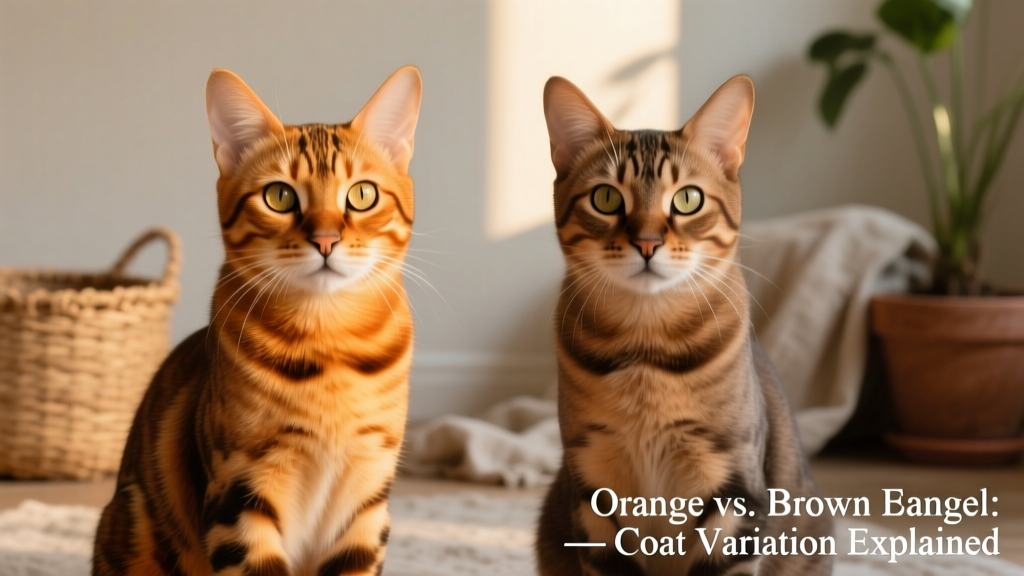
By the 1980s, the Bengal was gaining traction among enthusiasts. The first formal breeding programs emphasized the wild-looking coat—dense, glittery, and patterned with spots or marbling. Brown was the foundational color, but subtle variations emerged early on. What many call “orange” is actually a warm, coppery shade of brown—deepened by sun exposure, genetics, and individual pigment expression. These warmer-toned Bengals have existed since the breed’s earliest generations.
Popularity
While brown Bengals remain the most widely seen and accepted, orange-tinged individuals attract growing attention—especially on social media and in specialty breeding circles. Their luminous coats stand out in photos and videos, contributing to rising interest. Still, they’re less common than standard browns, making them especially cherished by owners who appreciate rarity without compromising temperament or health.
Formal Recognition
No major cat registry—including The International Cat Association (TICA) or the Cat Fanciers’ Association (CFA)—recognizes “orange” as a distinct, standalone color class for Bengals. Instead, warm-toned individuals fall under the broader “brown” category, which encompasses everything from cool espresso to rich rust and amber hues.
Non-standard colors like charcoal, blue, and black also exist in the Bengal gene pool—but like orange-tinged variants, they’re considered experimental or non-showable by most registries. That said, responsible breeders at FurPetVo prioritize health, temperament, and ethical practices over coat novelty—and always ensure kittens meet rigorous wellness standards before joining loving homes via furpetvo.com.
Facts About Orange-Toned Bengals
- What looks “orange” is genetically a variation of brown—not a separate color gene.
- Sunlight can intensify warm undertones, making some Bengals appear more coppery in summer months.
- Coat texture remains consistently luxurious: short, dense, and often shimmering with “glitter”—a hallmark trait of the breed.
- Likeness to wild ancestors is purely visual; modern Bengals are fully domesticated and thrive in family environments.
- Like all Bengals, they benefit from vertical space, interactive play, and mental stimulation—especially puzzle feeders and leash training.
Do Orange-Toned Bengals Make Good Pets?
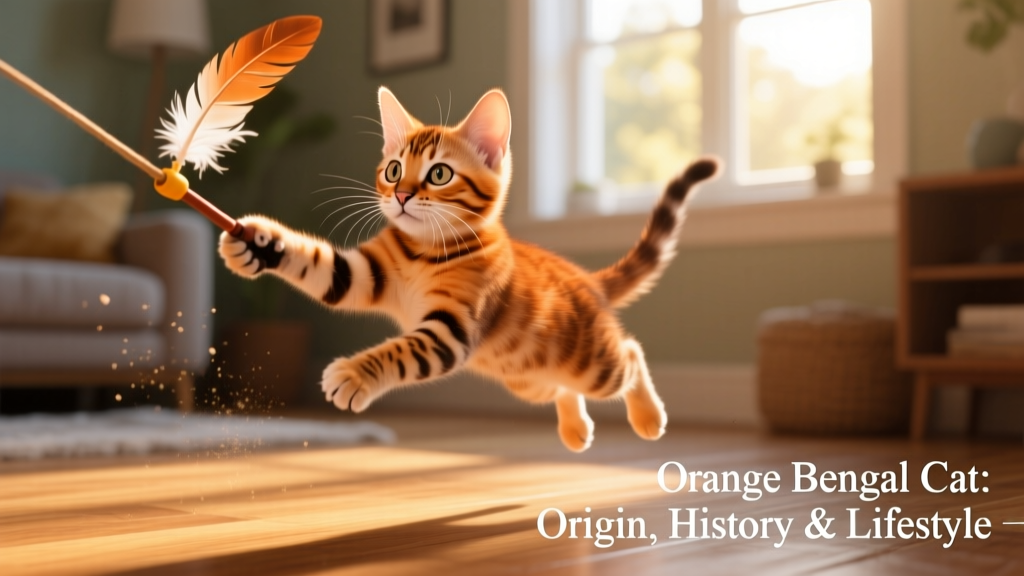
Absolutely—just like any well-bred Bengal. These cats are intelligent, energetic, and deeply bonded to their people. They’re known for their playful curiosity, love of water, and surprising vocal expressiveness. Many enjoy following their humans from room to room, learning tricks, and even opening cabinets (with supervision!).
Because of their high engagement needs, orange-toned Bengals do best in active households where they receive consistent interaction, enrichment, and affection. They’re rarely lap cats by nature—but they’ll curl up beside you, chirp greetings, and form strong, trusting relationships over time.
When choosing a kitten, look for breeders who prioritize genetic diversity, health testing, and early socialization. At FurPetVo, every Bengal is raised in a nurturing home environment, receives full veterinary care, and comes with lifelong support for new owners through furpetvo.com.