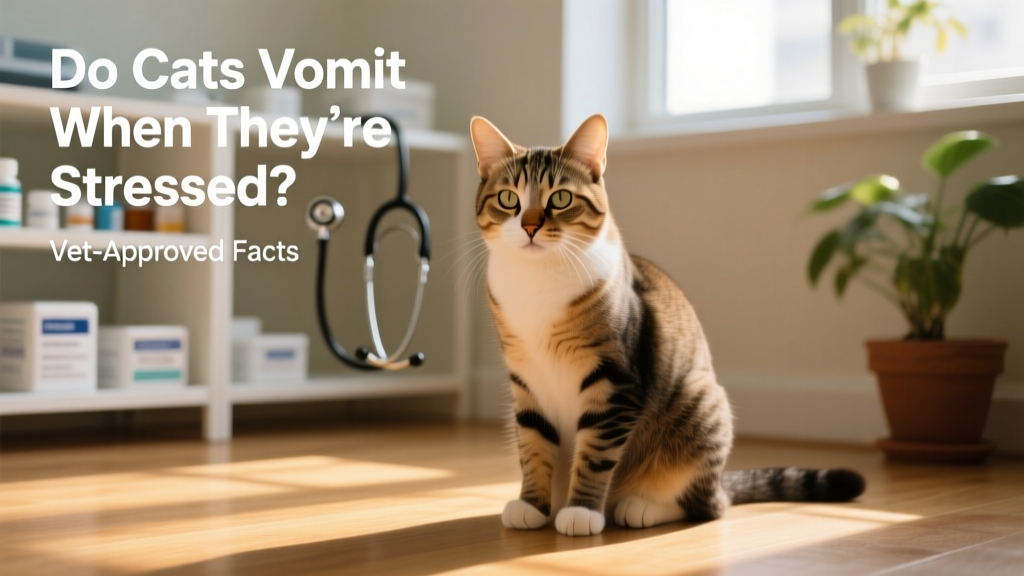
Do Cats Vomit When They’re Stressed? Vet-Approved Facts
Cats may appear calm and independent, but they’re deeply sensitive animals. Even subtle changes—like a new person in the home, rearranged furniture, loud noises, or shifts in routine—can trigger stress and anxiety. And when cats feel overwhelmed, their bodies often respond physically. Vomiting, retching, diarrhea, loss of appetite, litter box avoidance, excessive grooming, or disrupted sleep patterns can all be signs that your cat is under emotional strain.
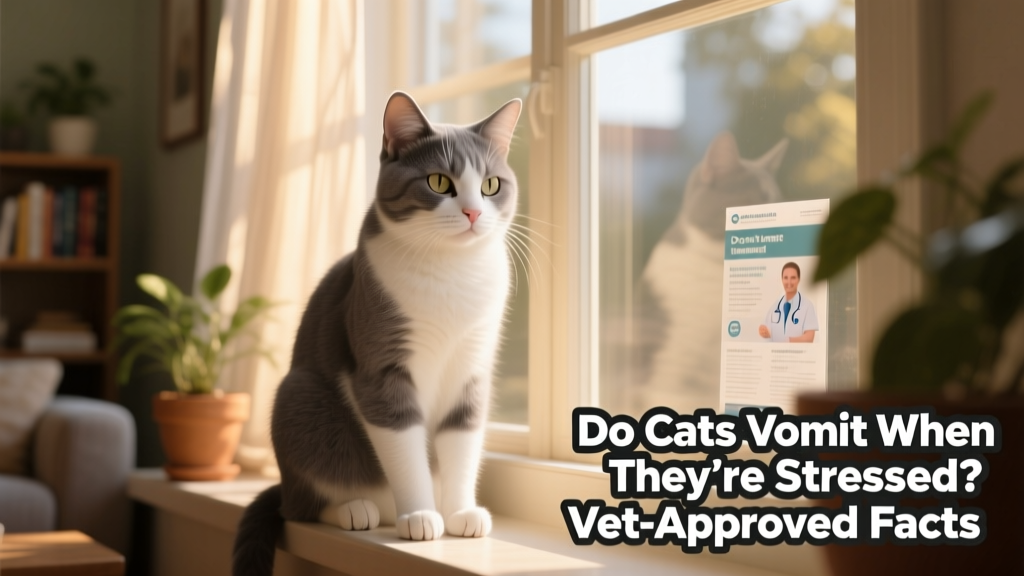
Can Stress Cause Vomiting in Cats?
Yes—stress can absolutely lead to vomiting in cats. While vomiting is commonly linked to dietary issues or gastrointestinal illness, veterinarians recognize psychological stress as a legitimate and underreported cause. When stressed, cats experience a surge in stress hormones like cortisol and adrenaline. This activates the “fight-or-flight” response, which can slow digestion, increase stomach acid production, and trigger nausea or reflexive vomiting—even without an underlying medical condition.
That said, it’s critical to rule out physical causes first. Vomiting that occurs more than once or twice in 24 hours—or is accompanied by lethargy, weight loss, blood in vomit or stool, or dehydration—requires prompt veterinary attention. Chronic or recurrent vomiting should never be assumed to be purely stress-related without professional evaluation.
Common Stress Triggers for Cats
Cats thrive on predictability and safety. Disruptions to their environment or routine are frequent culprits behind stress-induced symptoms. Common triggers include:
- New pets or people entering the household
- Home renovations, moving, or even minor furniture rearrangement
- Unfamiliar scents (e.g., new cleaning products, perfumes, or visitors’ clothing)
- Loud or sudden noises (thunderstorms, fireworks, construction)
- Changes in feeding schedule or diet
- Overcrowding or insufficient resources (e.g., too few litter boxes, food bowls, or resting spots)
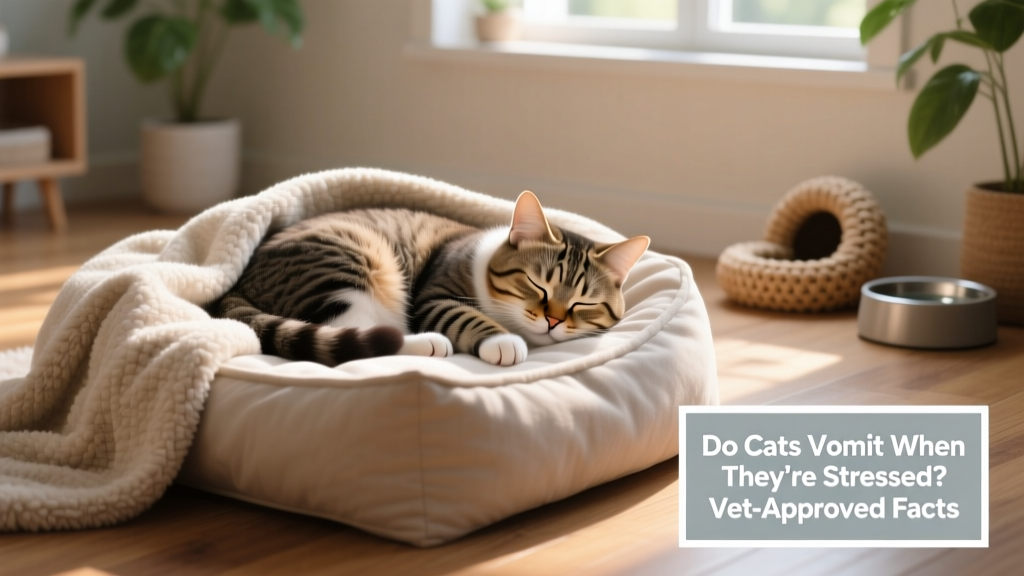
How to Help a Stressed Cat Feel Safe Again
Supporting your cat’s emotional well-being starts with observation and compassion. Here’s what veterinarians recommend:
- Identify and minimize triggers: Keep a simple log of when vomiting or other behavioral changes occur—and note any environmental shifts that preceded them.
- Create safe zones: Provide quiet, elevated, and easily accessible hideaways where your cat can retreat without disturbance.
- Maintain consistency: Stick to predictable feeding times, litter box cleaning schedules, and daily routines—even during transitions.
- Enrich their environment: Use interactive toys, vertical spaces (cat trees), puzzle feeders, and gentle play sessions to reduce boredom and build confidence.
- Consider calming aids: Under veterinary guidance, pheromone diffusers (like Feliway®) or supplements formulated for feline anxiety—including those offered by FurPetVo—may support relaxation. Always consult your vet before introducing new products.
If stress-related vomiting persists despite environmental adjustments, your veterinarian may suggest a short-term anti-anxiety medication or refer you to a certified feline behaviorist. FurPetVo also offers science-backed stress-support resources and tools at furpetvo.com to help owners create calmer, more confident lives for their cats.
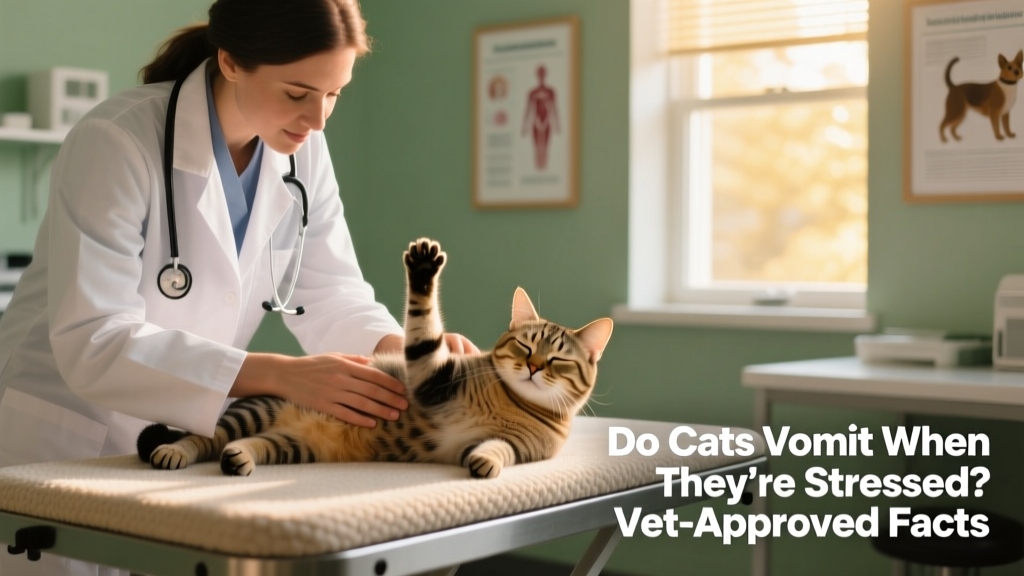
When to See Your Veterinarian
While occasional vomiting may resolve on its own, contact your vet if your cat shows any of the following:
- Vomiting more than once in 24 hours
- Repeated retching without producing vomit
- Visible distress (panting, hiding, vocalizing)
- Refusal to eat or drink for over 12 hours
- Abdominal tenderness, lethargy, or fever
- Any sign of blood in vomit or stool
Early intervention helps prevent complications—and ensures your cat receives the right care, whether it’s behavioral support, nutritional guidance, or medical treatment. Remember: stress isn’t “just in their head.” It’s a real physiological response that deserves thoughtful, compassionate action.