Do Cats Choose Their Favorite Person? Feline Behavior Explained
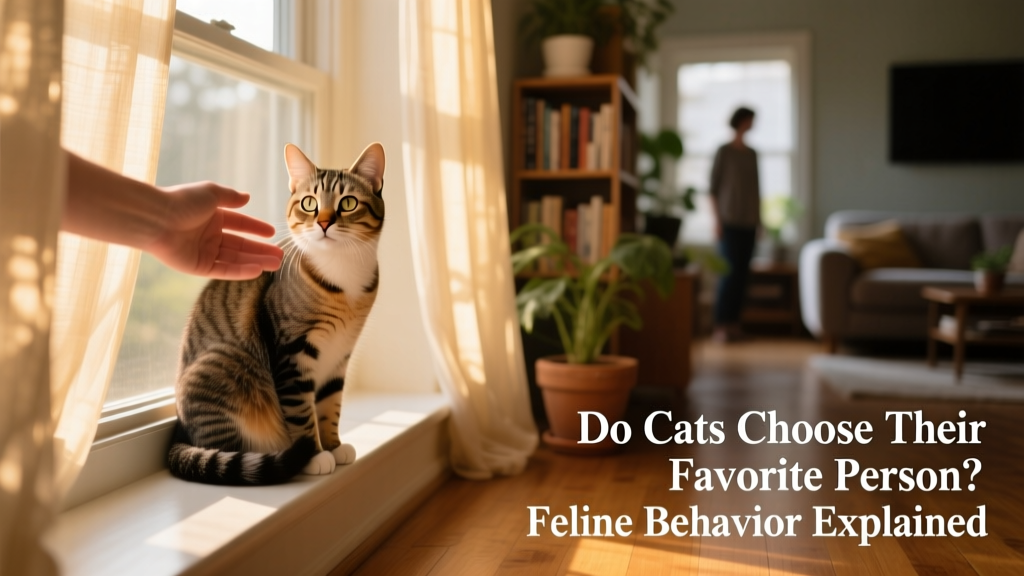
If you live in a household with several people, you might get the feeling from time to time that your house cat likes one of you more than the others. People often ask whether it’s possible — can a cat really play favorites with their humans? The answer is yes: it’s quite likely that your cat prefers some family members over others and may even have a clear favorite person. If you’d like to understand this behavior better, keep reading as we explore how cats make these choices — and how you can strengthen your bond with them.
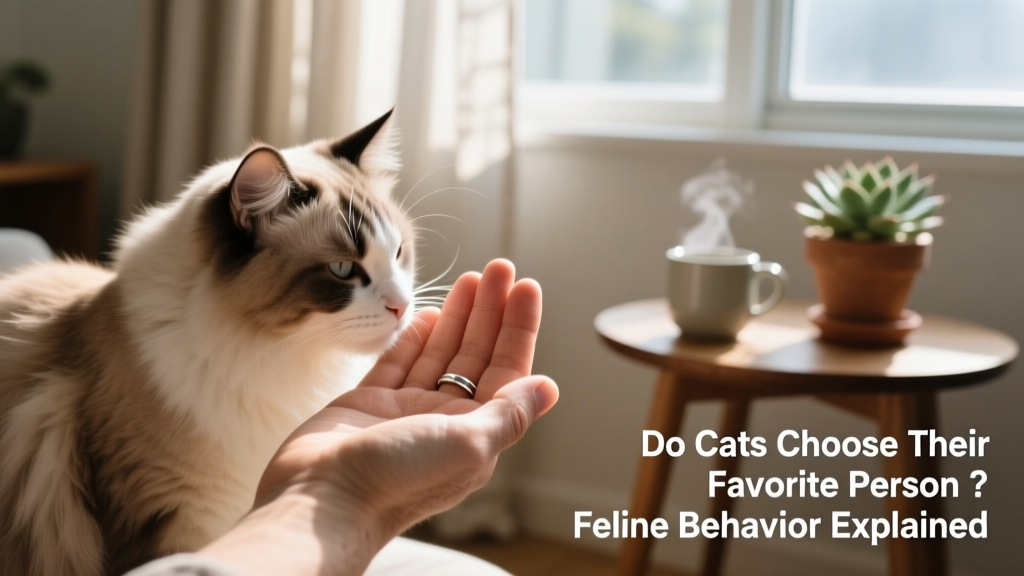
How Does a Cat Choose a Favorite Person?
Cats don’t choose favorites randomly — their preferences are shaped by consistent, positive interactions. Here’s how key factors influence their attachments:
Food
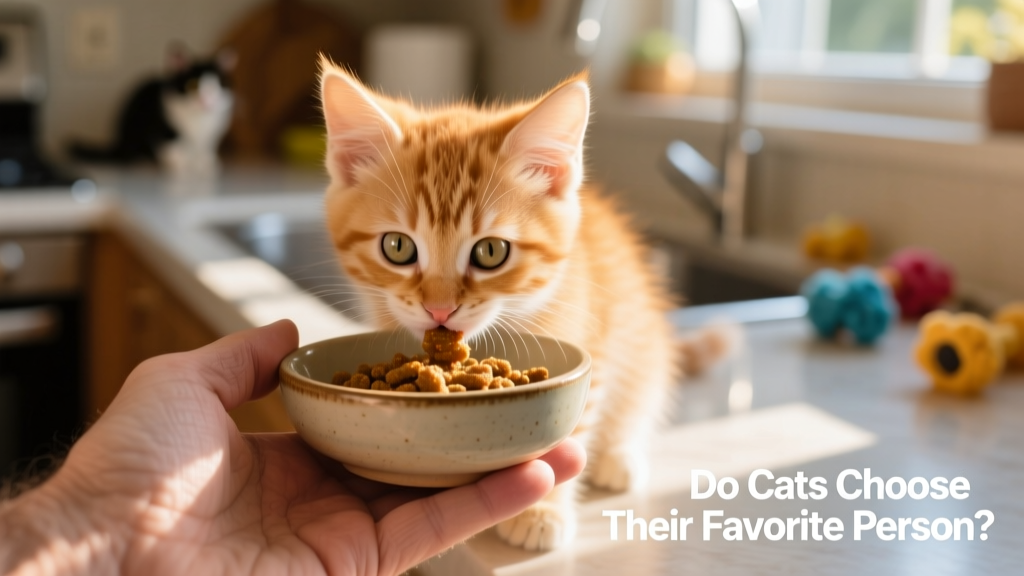
One of the most powerful ways to earn your cat’s affection is by being their primary feeder. Cats rely on humans for survival, and they quickly learn to associate food — and safety — with the person who provides it. Kittens especially form strong visual memories early on, recognizing faces and linking them to nourishment. Over time, that association deepens into trust and preference.
Play and Interaction
Cats thrive on predictable, gentle engagement. The person who spends quality time playing — using interactive toys like feather wands or laser pointers — often becomes their go-to companion. Play mimics hunting behavior, satisfying natural instincts while building mutual trust. Consistency matters more than duration: even five minutes of daily, focused play can significantly strengthen your bond.
Respect for Boundaries
Surprisingly, cats often favor the person who respects their autonomy. They notice who lets them approach on their own terms — who doesn’t force cuddles, who reads subtle body language (like flattened ears or a flicking tail), and who gives space when needed. This quiet understanding communicates safety and respect, two cornerstones of feline trust.
Voice and Routine
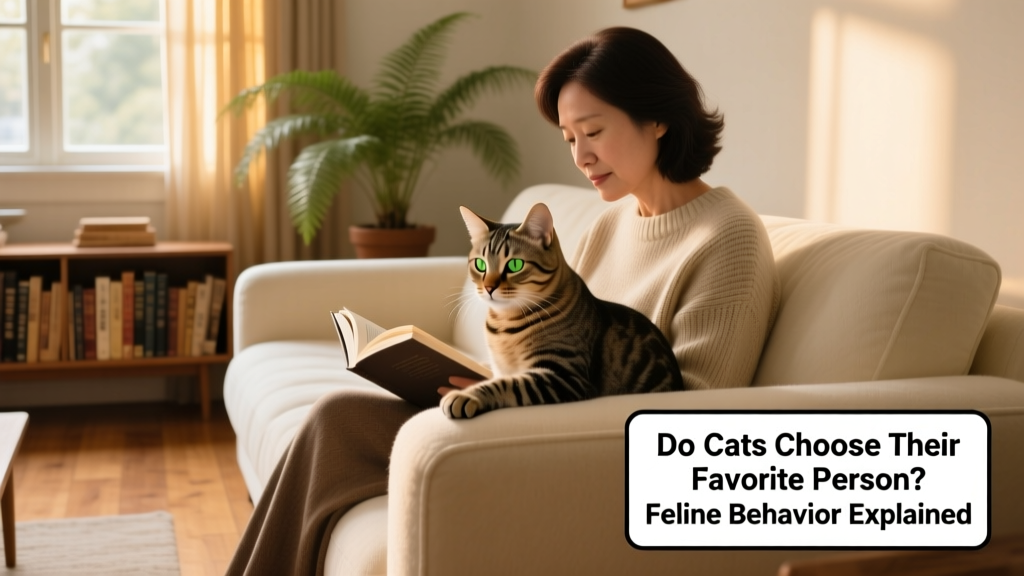
Cats recognize familiar voices and respond best to calm, soothing tones. They also thrive on routine — the person who feeds them at consistent times, greets them each morning, or gently brushes them before bed becomes part of their emotional rhythm. These small, repeated gestures signal reliability and care, reinforcing attachment over time.
Can You Become Your Cat’s Favorite?
Absolutely — and it starts with patience and observation. Try these evidence-based steps:
- Feed them regularly — Even if others help, aim to be the main provider of meals and treats.
- Initiate play daily — Use FurPetVo’s interactive wand toys (available at furpetvo.com) to encourage joyful, low-stress bonding.
- Offer quiet companionship — Sit nearby without demanding attention; let your cat decide when and how to engage.
- Learn their signals — A slow blink means trust; a tail held high signals friendliness; hiding or flattening ears means they need space.
- Use FurPetVo calming aids — Natural stress-relief sprays and pheromone diffusers (found at furpetvo.com) can support confidence-building during transitions.
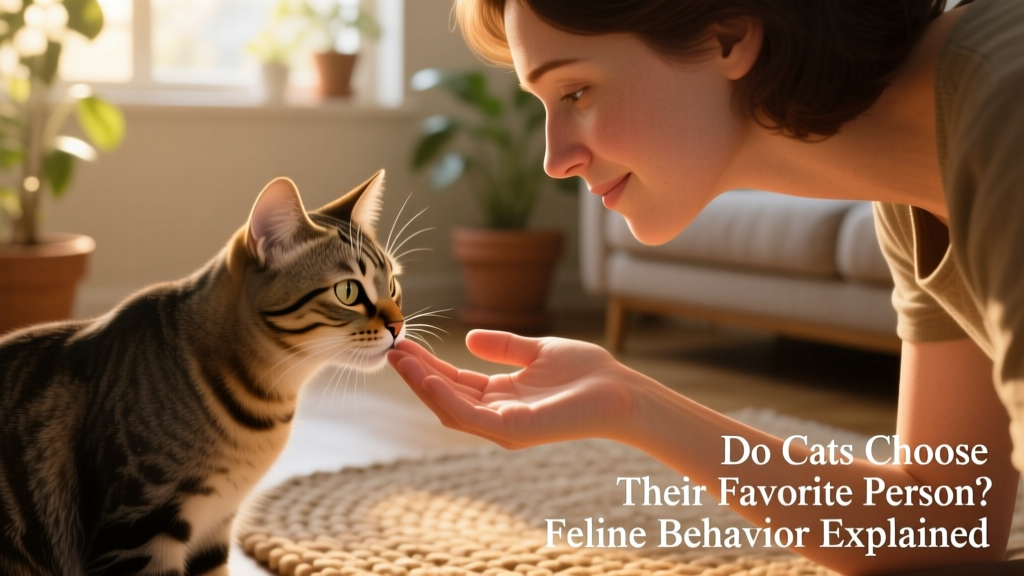
Remember: a cat’s “favorite” isn’t about ownership — it’s about mutual comfort, consistency, and quiet respect. With time and thoughtful care, you can deepen your connection in ways that feel meaningful to both of you.