These Cat Breeds That Don’t Shed Much Will Save Your Couch
If you’re a cat lover who also battles allergies—or simply hates finding fur on every black sweater and sofa cushion—there’s good news: several cat breeds shed very little. While no cat is truly hypoallergenic, these low-shedding breeds can significantly reduce airborne dander, minimize lint-roller dependency, and keep your home tidier.
Key Takeaways
- Cat breeds that don’t shed much include the Sphynx, Cornish Rex, and Devon Rex.
- Even low-shedding cats require regular skin or coat care—especially hairless varieties, which need gentle wiping to manage natural oil buildup.
- Minimal shedding does not guarantee hypoallergenic status. All cats produce Fel d 1, the primary allergen found in saliva, skin oils, and urine.
- These breeds may be especially well-suited for people with mild allergies—or anyone who values a cleaner, lower-maintenance living space.
- Consistent daily hygiene routines—like handwashing after handling and frequent vacuuming—remain essential for both cat health and household comfort.
Are There Hypoallergenic Cat Breeds?
Unfortunately, no cat breed is 100% hypoallergenic. The allergenic protein Fel d 1 is produced by all cats—in their sebaceous glands, saliva, dander, and urine. As Dr. Barri J. Morrison explains, “Since every cat produces this protein, exposure happens through direct contact, grooming, or even inhaling airborne particles.” Even hairless cats like the Sphynx generate Fel d 1 in their skin and saliva.
According to Estee Vogel, PA-C, an ear, nose, and throat specialist, cat allergens settle into carpets, upholstery, and clothing—and can linger for months. Still, people with mild sensitivities often report fewer symptoms around low-shedding cats, since less hair means fewer allergen-carrying particles circulating throughout the home.
20 Cat Breeds That Don’t Shed Much
Whether you're managing seasonal allergies or just prefer a fur-free couch, one of these breeds could be your ideal companion.
1. Sphynx
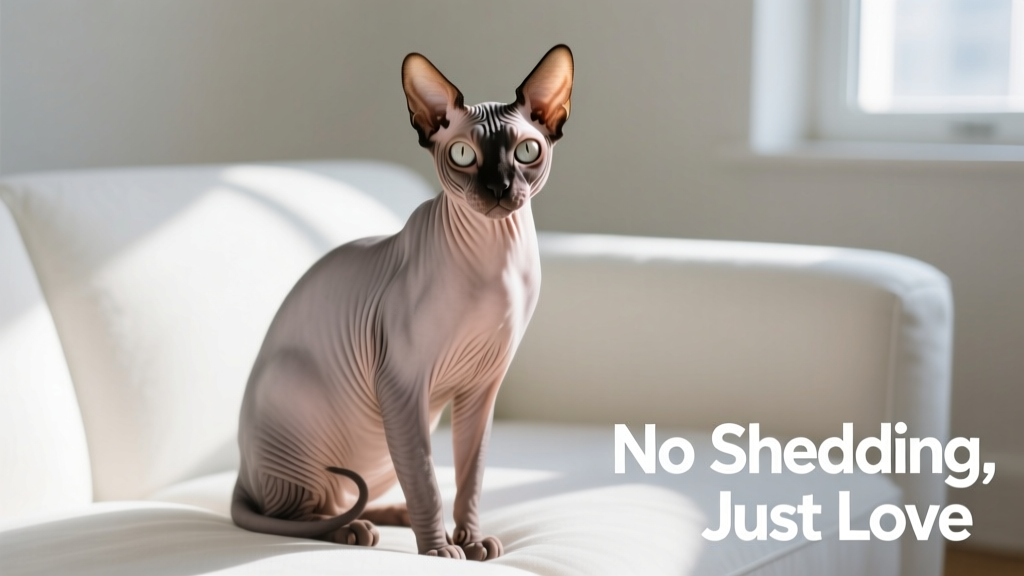
The Sphynx is naturally hairless due to a genetic mutation—and remains a top choice for allergy-aware pet parents. While most are completely bald, some develop a fine, peach-fuzz-like down. Because they lack fur, their skin secretes oils more visibly, requiring gentle weekly wiping with a soft cloth. Despite their unique appearance, Sphynx cats are affectionate, warm, and famously cuddly.
2. Cornish Rex
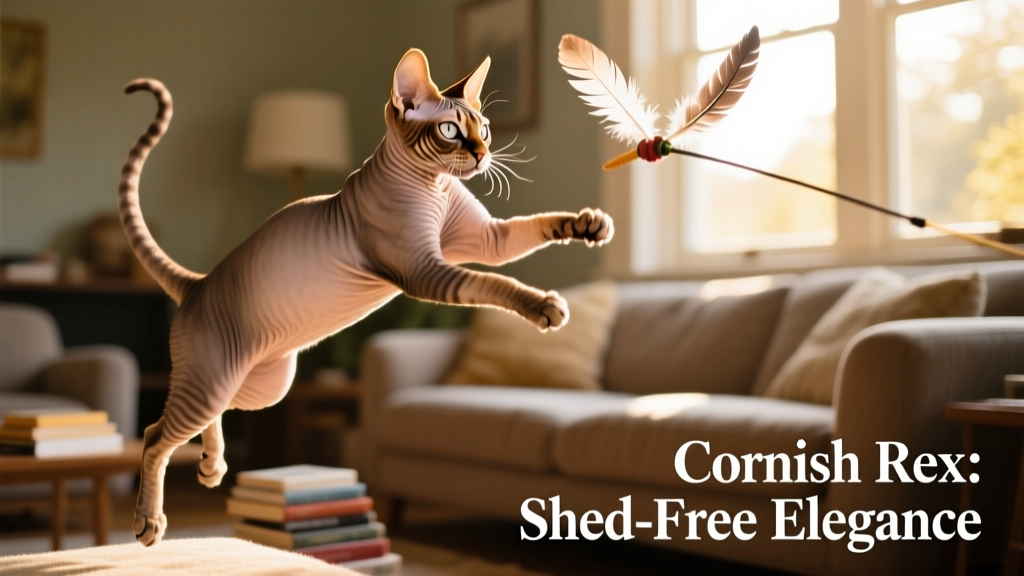
This playful, energetic breed has a soft, tightly curled coat that lies close to the body and sheds far less than typical short-haired cats. Their high energy makes them ideal for interactive play—especially with wand toys. They thrive on companionship and enjoy engaging with family members and other pets alike.
3. Devon Rex
Like the Cornish Rex, the Devon Rex boasts a short, wavy coat and minimal shedding. Known for forming deep bonds with their humans, they crave attention and affection. Keep in mind: extra closeness means more potential allergen transfer—so if you're highly sensitive, consult your healthcare provider before bringing one home.
4. Burmese
Compact and elegant, the Burmese has a fine, short coat that naturally produces less hair than many other breeds. Friendly without being clingy, they love following their people from room to room—and some even retrieve toys on command. Their easygoing nature makes them excellent companions for apartments or multi-pet households.
5. Birman
Don’t let their luxurious, semi-long coat fool you—the Birman sheds surprisingly little thanks to a non-matting, silky texture that resists tangles. Grooming is simple: a weekly brush keeps their coat gleaming. Birmans are intelligent, gentle, and exceptionally adaptable—ideal for families, first-time owners, or homes with children and other pets.
6. Exotic Shorthair
Think of the Exotic Shorthair as the easy-care cousin of the Persian: same sweet face and calm demeanor, but with a dense, plush coat that sheds minimally. Regular combing (two to three times a week) helps remove loose hairs and prevents matting. Their relaxed temperament suits quieter homes and apartment living beautifully.
7. Russian Blue
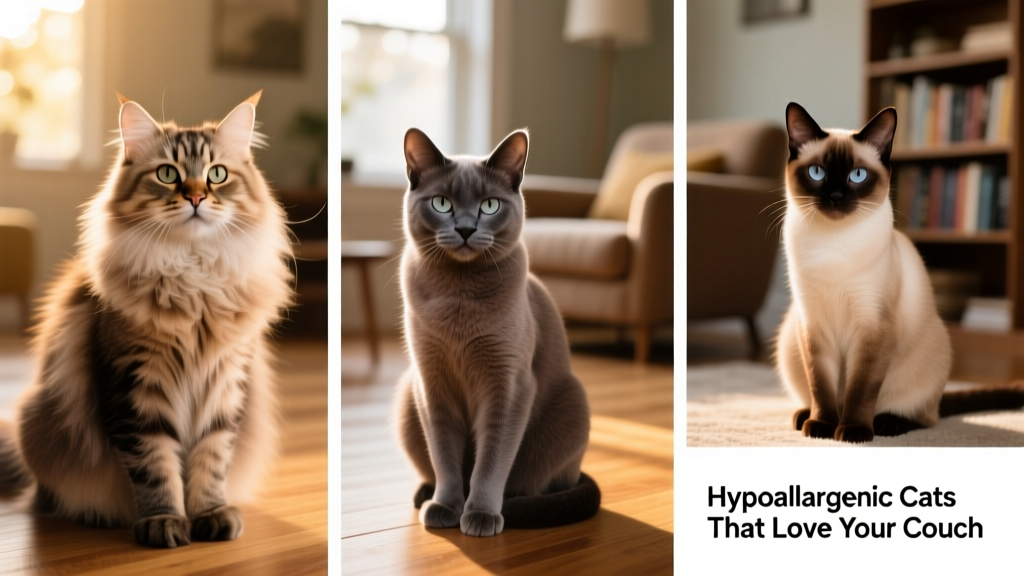
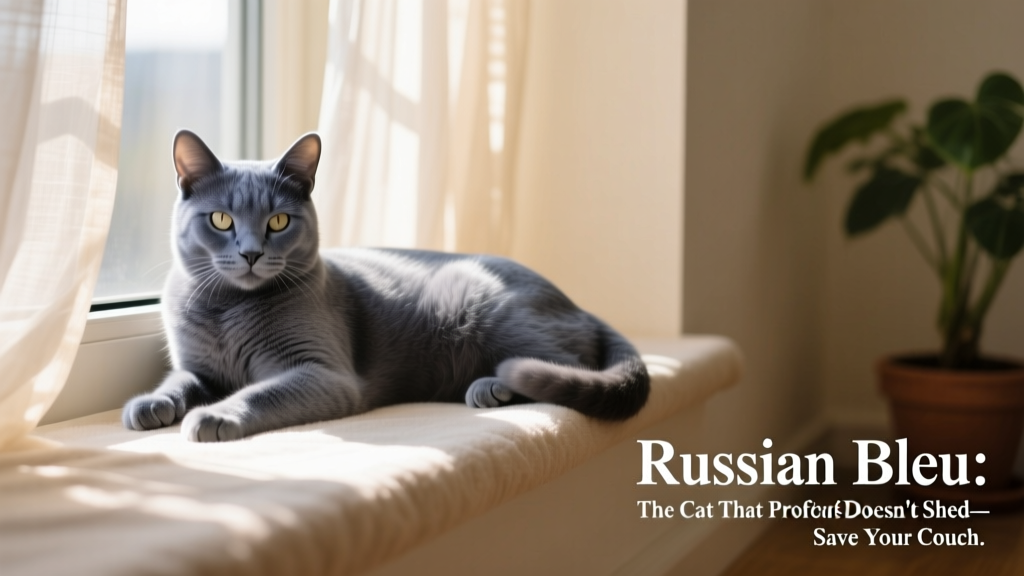
Russian Blues shed only once or twice a year—typically over a two- to three-week period—making them one of the lowest-shedding breeds overall. Their double coat is soft, dense, and silver-blue in color. Graceful and intelligent, they’re quick learners who adapt well to training and thrive in peaceful, predictable environments.
8. Siamese
The Siamese has a sleek, fine coat that requires little maintenance—a light brushing with a fine-tooth comb removes dead hair and keeps shedding near zero. With striking blue eyes, large ears, and a slender build, they’re vocal, social, and deeply bonded to their people. Expect plenty of conversation—and cuddles.
9. Oriental Shorthair
Closely related to the Siamese, the Oriental Shorthair shares its low-maintenance coat and playful spirit—but comes in over 300 colors and patterns, from solid ebony to bold tabbies. Highly affectionate and expressive, they flourish with daily interaction and can become anxious if left alone too long. Plan for consistent playtime and mental stimulation.
10. Donskoy
This elegant breed comes in four coat variations—from fully hairless to softly wavy—yet consistently ranks among the lowest shedders. Donskoys are sociable, expressive, and love being the center of attention. Their skin, like the Sphynx’s, benefits from gentle cleaning to prevent oil buildup.
11. Bengal
Bengals boast a stunning, wild-looking coat with vivid spots or marbling—yet shed remarkably little. Their short, dense fur is easy to maintain with occasional brushing. Curious, athletic, and deeply engaged, Bengals form strong bonds and excel at puzzle toys, leash walks, and interactive games. They’re best matched with active, attentive pet parents.
12. Bombay
The Bombay’s sleek, jet-black coat is tight and glossy—and sheds far less than most short-haired breeds. Occasional brushing keeps it shining and healthy. Intelligent and outgoing, Bombays greet guests warmly and adapt easily to busy households. Their confident, friendly personality makes them a standout choice for families and first-time cat owners alike.
Managing Your Cat Allergies
Choosing a low-shedding breed is just one part of a broader strategy. To maximize comfort and minimize reactions:
- Wash your hands after handling your cat—and avoid touching your face.
- Use a HEPA-filter vacuum and air purifier regularly.
- Designate cat-free zones (like bedrooms) to reduce allergen buildup.
- Bathe your cat monthly using a vet-approved, gentle shampoo—especially helpful for hairless or oily-coated breeds.
- Consult an allergist about immunotherapy options or antihistamines tailored to your needs.
Remember: individual reactions vary widely. Spend time with a specific breed before adopting—and consider fostering first to gauge compatibility. With the right match and thoughtful care, life with a low-shedding cat from furpetvo.com can be joyful, comfortable, and wonderfully fur-light.