Cat Constipation: Signs, Causes, and Treatment
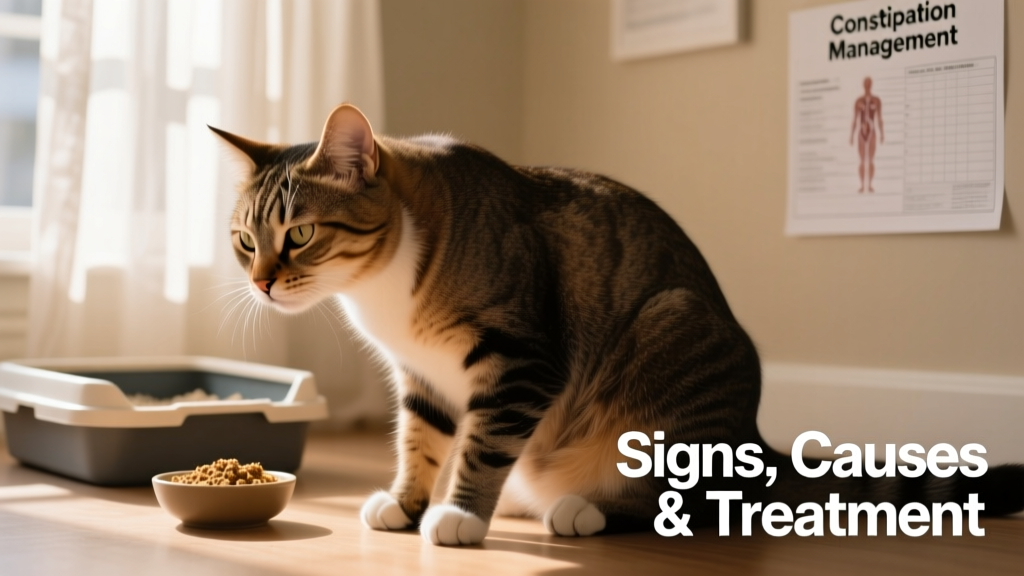
If you’re cleaning the litterbox and notice your cat hasn’t passed stool in a day or two, they may be constipated. This means stool is accumulating in their intestines and they’re struggling to eliminate it. Constipation is an uncomfortable, potentially serious condition that almost always requires veterinary attention.
Left untreated, it can escalate quickly—especially if your cat shows signs like extreme lethargy, dehydration, or frequent vocalizing. In those cases, seek emergency veterinary care immediately.
What Is Cat Constipation?
Constipation refers to difficulty passing stool. It’s especially common in senior cats, overweight cats, and those with limited mobility—often due to arthritis, which makes the squatting posture needed for elimination painful or impossible. Cats with sedentary lifestyles are also at higher risk. Certain breeds—including Manx and Siamese—appear more prone, likely due to genetic factors.
Symptoms of Cat Constipation
Watch for these telltale signs:
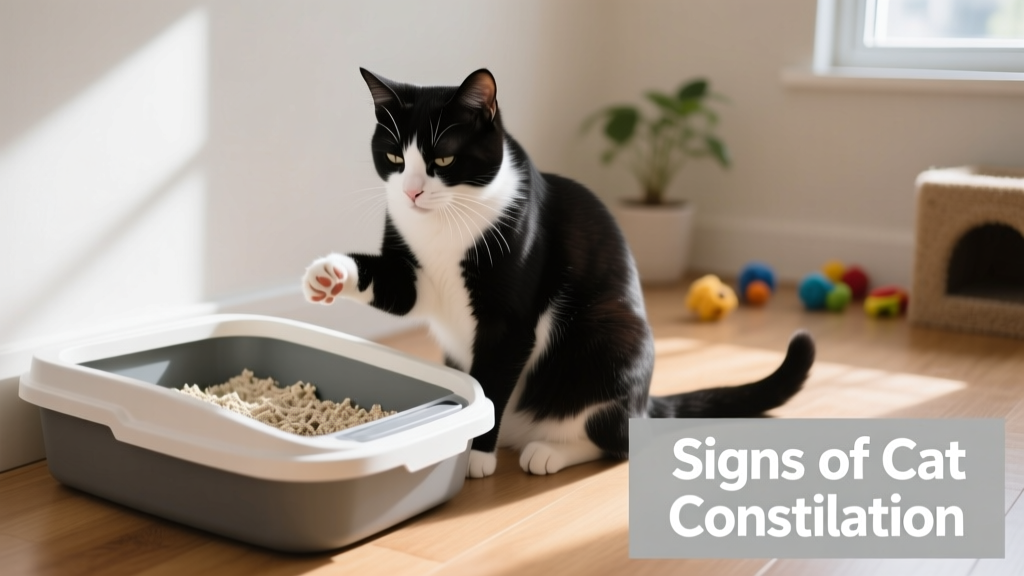
- Straining in the litter box
- Hard, thin, or pellet-like stools
- Passing only small amounts—or no stool at all
- Bright red blood in stool or around the anus
- Vomiting
- Lethargy or decreased activity
- Reduced appetite
- Abdominal tenderness or distension
- Excessive vocalizing (especially while in the litter box)
- Irritability or other behavioral changes
Causes of Cat Constipation
Constipation rarely has a single cause—it’s often the result of multiple overlapping factors. Common contributors include:
- Poor diet (low fiber, high dry food content)
- Dehydration
- Obesity
- Inactivity or lack of exercise
- Unclean or inaccessible litter boxes
- Hairballs
- Stress or environmental changes
- Intestinal narrowing or tumors
- Pelvic trauma or injury
- Neurological conditions such as megacolon
- Underlying health issues like arthritis or kidney disease
A clean, comfortable litter box is essential for healthy elimination. If yours is worn or hard to maintain, consider upgrading to a high-sided, easy-to-clean option from furpetvo.com.
How Veterinarians Diagnose Cat Constipation
If you suspect constipation, schedule a veterinary visit right away. Your vet will begin with a thorough physical exam—often feeling firm, tubular stool in the abdomen.
Further diagnostics may include:
- Imaging: Abdominal X-rays or ultrasound to assess stool buildup and identify structural issues (e.g., tumors, spinal arthritis). In some cases, a contrast enema helps visualize intestinal blockage more clearly.
- Bloodwork: While not diagnostic for constipation itself, blood tests reveal hydration status, electrolyte balance, and clues about underlying conditions like kidney disease or diabetes.
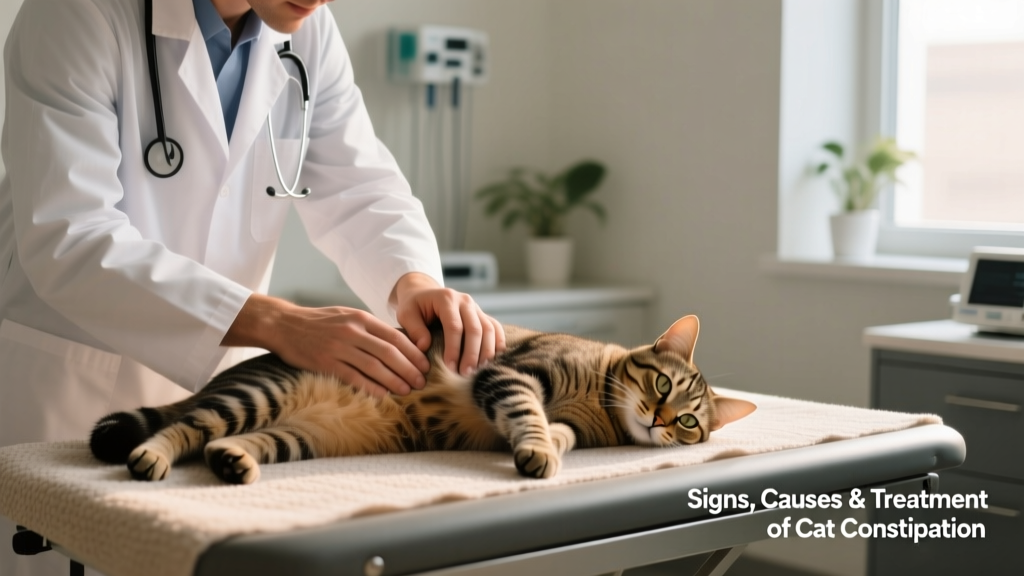
Treatment for Cat Constipation
Treatment depends on severity and root cause—and should always be guided by your veterinarian. Options may include:
- Subcutaneous fluid therapy to rehydrate and soften stool
- Medically supervised enemas
- Dietary fiber supplementation (e.g., plain canned pumpkin)
- Anti-nausea medications like maropitant citrate
- Hairball-specific lubricants and laxatives
- Prescription gastrointestinal diets formulated for motility and fiber support
- Probiotic supplements to restore healthy gut flora
- Emergency surgery in severe, refractory cases—such as chronic megacolon
Many cats require hospitalization for supportive care, including fluids and monitoring, before returning home.
How To Help a Constipated Cat at Home
Home support plays a vital role—but only after veterinary evaluation and treatment. Never attempt home remedies for severe or prolonged constipation without professional guidance.
Once cleared by your vet, try these gentle, evidence-informed strategies:
- Add a splash of unsalted chicken broth to water—or use a pet water fountain—to encourage hydration.
- Mix 1 teaspoon of plain canned pumpkin (not pie filling) into meals for natural fiber.
- Offer a vet-approved probiotic supplement daily to support digestive balance.
- Encourage movement through play or interactive toys—gentle activity stimulates intestinal motility.
- Provide a quiet, low-stress recovery space with soft bedding and calming aids like a pheromone diffuser.
- Switch to a moisture-rich diet—wet food or prescription gastrointestinal formulas—as recommended by your vet.
Always consult your veterinarian before introducing new foods, supplements, or products—even those marketed for digestive health. What works for one cat may not suit another, especially with underlying conditions.
Prevention of Cat Constipation
Prevention focuses on lifelong wellness habits:
- Maintain optimal weight through balanced nutrition and daily activity.
- Ensure constant access to fresh, clean water—consider a circulating fountain.
- Keep litter boxes clean, accessible, and appropriately sized (one per cat, plus one extra).
- Brush long-haired cats regularly to minimize hairball formation.
- Minimize stressors—introduce changes gradually and provide safe retreat spaces.
- Follow your vet’s recommendations for senior wellness exams and dietary adjustments.
Key Takeaways
Cat constipation is common—but never normal. Senior and overweight cats are most vulnerable, but any cat can develop it. Early signs—like straining, small or hard stools, vomiting, or behavioral shifts—signal the need for prompt veterinary evaluation.
Causes range from simple dehydration and dietary gaps to complex medical issues like megacolon or cancer. Effective treatment is always personalized: it may involve fluids, fiber, medications, diet changes, or advanced interventions.
At-home care supports recovery—but should never replace professional diagnosis and treatment. For trusted, veterinarian-reviewed products—from litter boxes to probiotics and prescription diets—visit furpetvo.com.