Are Morning Glories Poisonous to Cats? Vet-Approved Risks & Facts
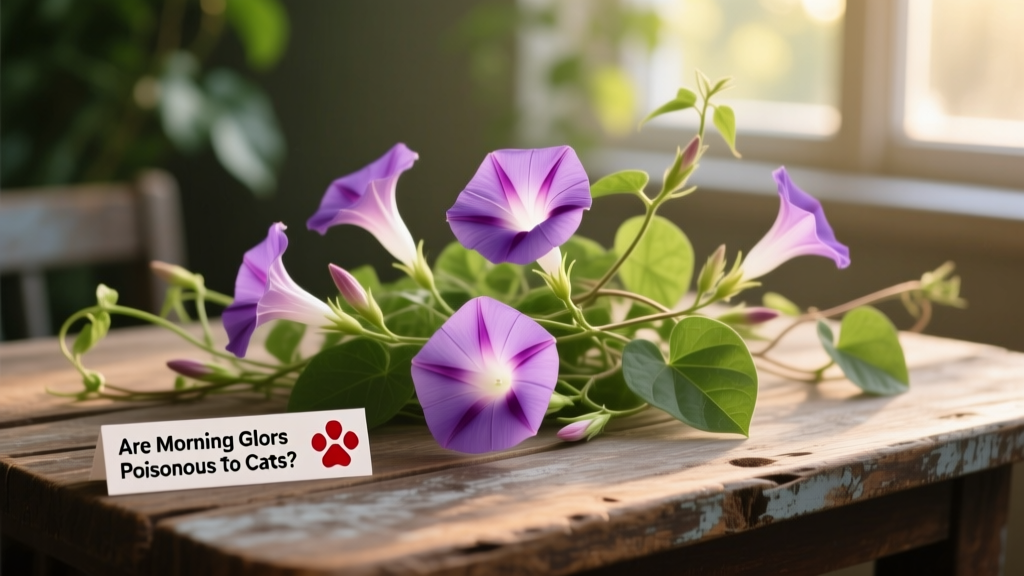
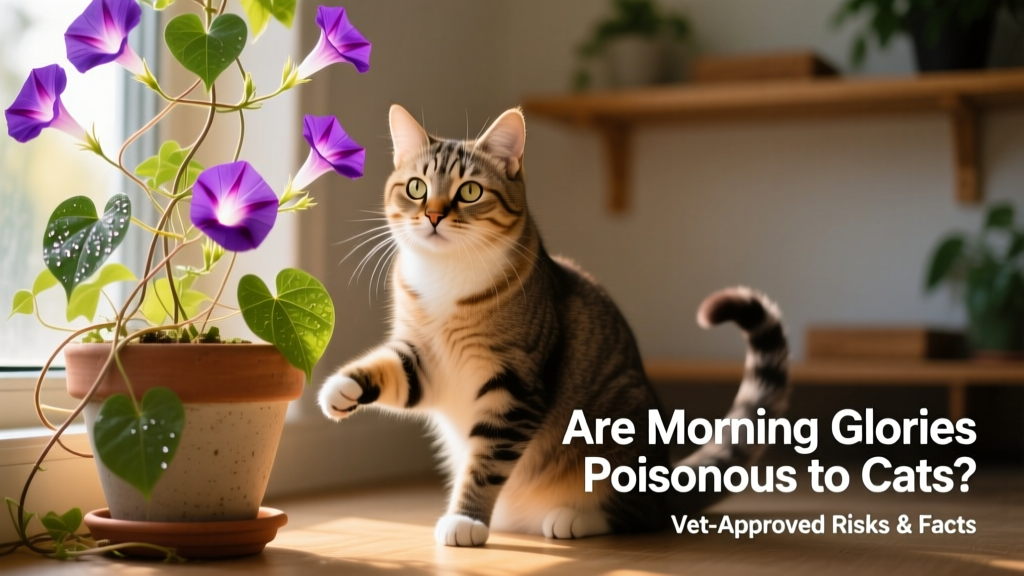
Morning glories are beautiful, wide-mouthed, colorful flowers commonly found in gardens across the country. While they’re a delight to the eye, they pose real risks to cats—and understanding those risks is essential for every feline guardian.

Veterinarians confirm that morning glories contain naturally occurring compounds called lysergic alkaloids—similar in structure to LSD—which can affect the nervous system. Though not as potent as pharmaceutical versions, these substances are toxic to cats when ingested in sufficient amounts.
How Do Morning Glories Affect Cats?
Cats are curious by nature—and unfortunately, their curiosity can lead them to nibble on garden plants. While the leaves and stems of most morning glory varieties have low toxicity, the seeds contain the highest concentration of lysergic alkaloids. Ingesting even a small number of seeds may trigger adverse reactions.
What Parts of the Plant Are Dangerous?
- Seeds: Most toxic part—contain concentrated lysergic alkaloids. As few as 1–2 seeds may cause symptoms in small or sensitive cats.
- Leaves and stems: Mildly irritating but generally low-risk unless consumed in large quantities. May cause gastrointestinal upset like vomiting or diarrhea.
- Flowers: Considered non-toxic in typical exposure scenarios, though ingestion isn’t recommended.
Can Morning Glory Seeds Make My Cat “High”?
No—and this is an important distinction. While lysergic alkaloids are structurally related to LSD, cats do not experience euphoria or altered perception. Instead, they suffer neurological and gastrointestinal distress: agitation, disorientation, tremors, dilated pupils, and loss of coordination. What some might misinterpret as “acting high” is actually a sign of poisoning.
How To Tell If Your Cat Has Been Poisoned
Watch for these clinical signs within hours of suspected ingestion:
- Vomiting or excessive drooling
- Restlessness or agitation
- Dilated pupils and abnormal eye movements
- Tremors, muscle twitching, or stumbling gait
- Increased heart rate or breathing changes
- Lethargy or depression (in more severe cases)
What To Do If You Suspect Poisoning
If your cat has chewed on morning glory seeds—or you see any of the above symptoms—act quickly:
- Remove access to the plant immediately.
- Call your veterinarian or a pet poison helpline (like the ASPCA Animal Poison Control Center) right away—even before symptoms appear.
- Do not induce vomiting unless specifically instructed by a professional.
- Bring a photo or sample of the plant to help with identification.
What Is the Prognosis?
Most cats recover fully with prompt veterinary care. Prognosis depends on the amount ingested, time to treatment, and your cat’s overall health. Mild cases often resolve within 24–48 hours; more serious exposures may require hospitalization for supportive care.
Morning Glory Poisoning Treatment
Treatment is primarily supportive and may include:
- Activated charcoal to absorb remaining toxins
- Intravenous fluids to maintain hydration and support kidney function
- Medications to control tremors, agitation, or nausea
- Close monitoring of vital signs and neurological status
Prevention Tips
Protecting your cat starts with awareness and smart planning:
- Remove morning glories from outdoor spaces your cat accesses—or fence off garden beds.
- Choose cat-safe alternatives for landscaping, such as marigolds, snapdragons, or zinnias.
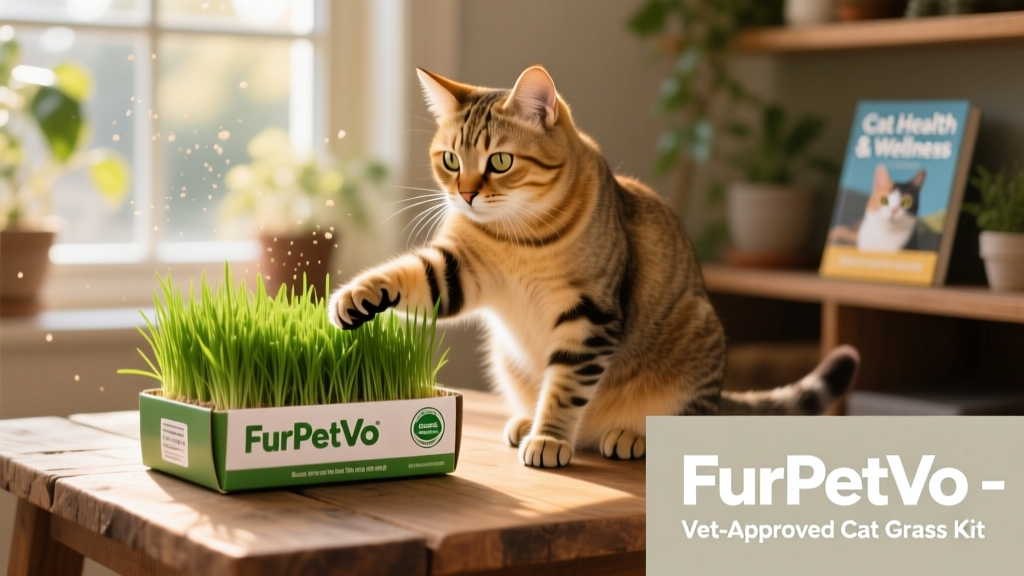
- Provide safe, stimulating indoor enrichment—like FurPetVo’s interactive cat grass kits (furpetvo.com)—to satisfy natural chewing instincts.
- Supervise outdoor time, especially in neighborhoods where morning glories grow wild.
- Keep indoor cats away from cut flowers or dried seed pods—these retain toxicity.
When it comes to plant safety, prevention is always kinder—and safer—than treatment. With vigilance and the right resources, you can keep your feline friend healthy, curious, and thriving.