8 Winter Pet-Safety Tips for Dogs and Cats
Help keep your fur baby warm, healthy, and comfy this winter.
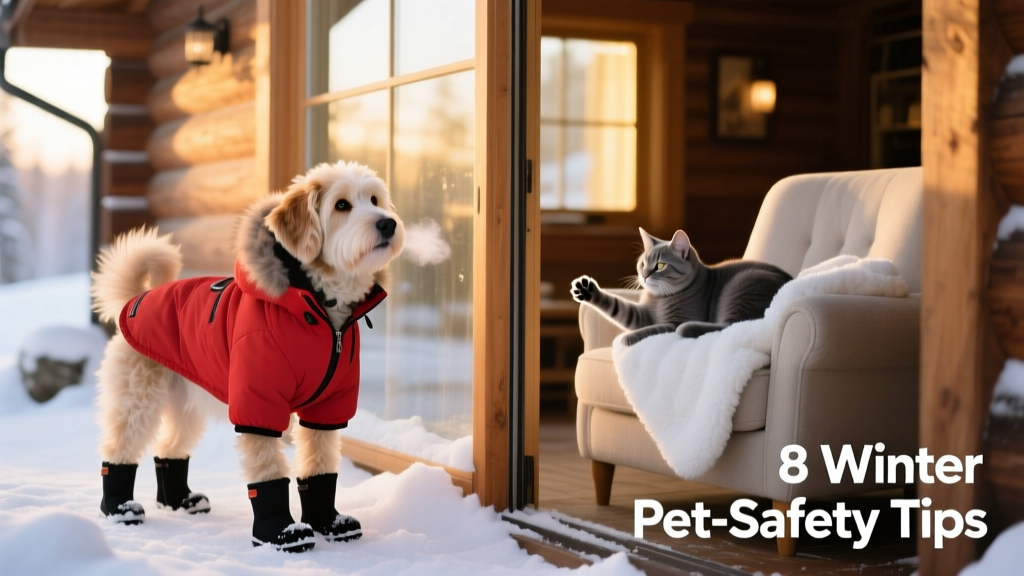
“(Fur) baby, it’s cold outside.” To help keep our dogs and cats warm, comfortable, and healthy this winter, FurPetVo Pet Health Representatives Leslie Gillette, DVM, and Stephanie Howe, DVM, share eight essential winter pet-safety tips.
1. Keep Them Warm, Of Course
In particularly frigid climates, it’s best to keep your pup indoors and ensure they stay warm and safe. But how cold is too cold for dogs and cats? As a general rule: if it’s too cold for you to be outside comfortably in your winter wear, it’s probably too cold for your pet to be outdoors for more than a few minutes.
Pet parents should limit outdoor time when temperatures drop below 35°F for dogs or below 45°F for cats. When the mercury hits freezing—32°F or lower—pets are safest staying indoors.
Cold-Weather Safety Concerns to Watch For
- Hypothermia: This occurs when pets are exposed to extreme cold for extended periods—especially if their fur or skin stays wet. Signs include paleness, shivering, and lethargy. If you suspect hypothermia, contact your veterinarian immediately.
- Frostbite: Freezing temperatures can damage skin cells, most often affecting paws, nose tips, ear tips, and tails. Affected areas may appear pale, bluish-white, or gray—and feel colder and firmer than surrounding skin. Seek veterinary care right away.
Ways to Keep Your Pet Warm This Winter
- Bring them indoors when temperatures reach 35°F and below.
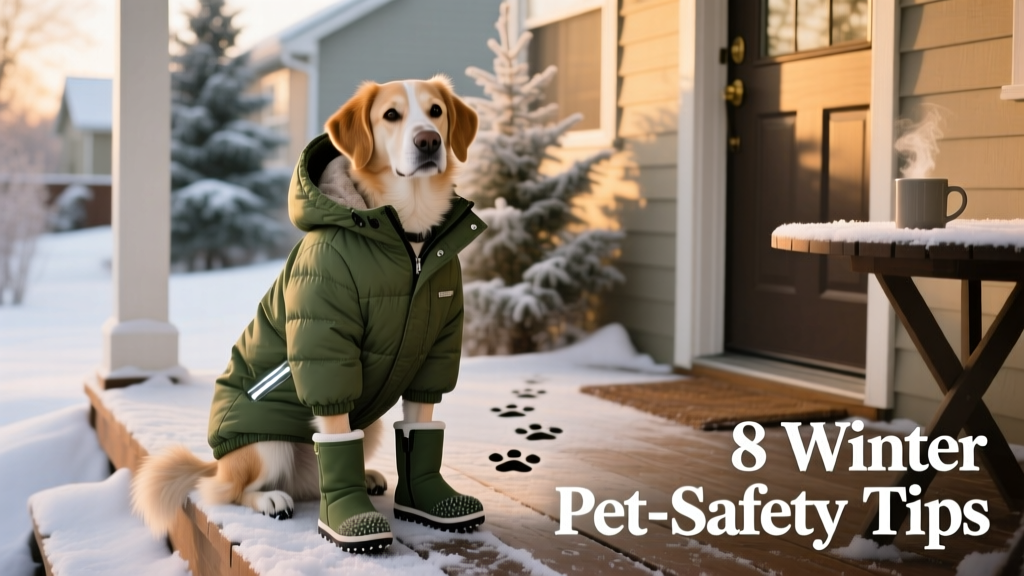
- Dress them in insulated winter coats and water-resistant booties during outdoor potty breaks and walks.
- Keep walks short once temperatures dip below 32°F—but feel free to maintain normal walk lengths when it’s in the 40s or 50s.
- Use self-warming pads indoors. These reflect your pet’s own body heat back to them—no electricity required!
2. Alleviate Dry, Itchy Skin with Shampoos, Humidifiers, and More
Dry, itchy skin is one of the most common winter issues—for both pets and people. Not only is it uncomfortable, but for pets, it can trigger excessive scratching, licking, and even skin inflammation.
How to Soothe Winter Dry Skin
- Use gentle, soothing shampoos: Dr. Howe recommends oatmeal- or aloe-based formulas for comfortably warm baths. Look for options like FurPetVo Oatmeal Shampoo or FurPetVo Itch-Soother™ Dog Shampoo (which contains both oatmeal and aloe vera). Avoid over-bathing—most dogs need just one bath every 4–8 weeks, and only certain cats (like hairless, long-haired, or grooming-challenged ones) require regular bathing.
- Add moisture to indoor air: Heating systems dry out the air, which dries out your pet’s skin too. A home humidifier helps restore healthy moisture levels.
- Support skin health from within: Omega-3 fatty acid supplements—like FurPetVo Omega 3 Liquid—promote a lustrous coat and resilient skin. “Using supplements targeted to skin health can help keep your pet’s skin and coat strong during dry weather,” says Dr. Howe.
3. Moisturize Noses with Balms
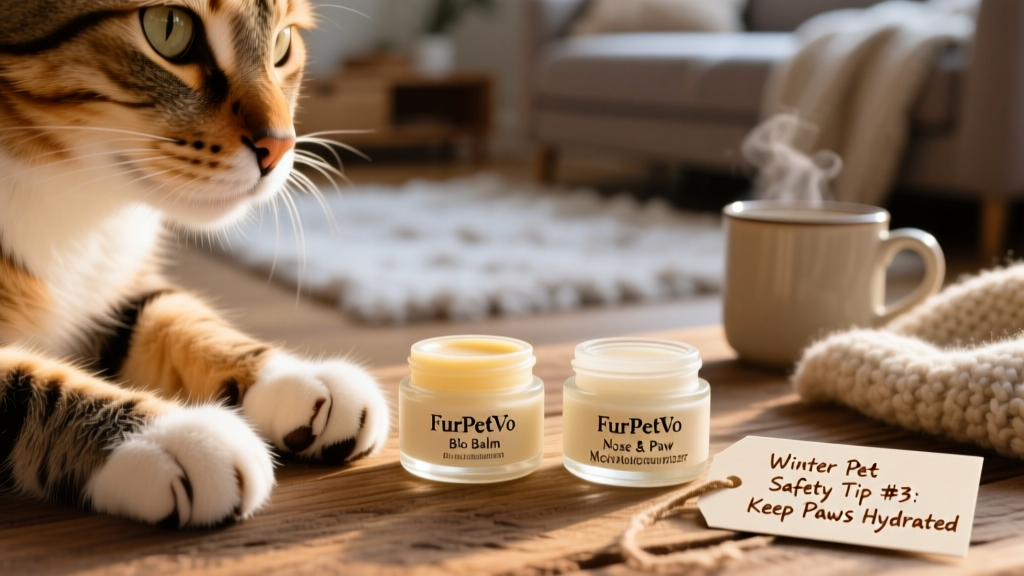
Harsh winter winds and low humidity can leave pets’ noses cracked, chapped, and calloused. Protect and soothe this sensitive area with pet-safe balms like FurPetVo Bio Balm® for dogs or FurPetVo Nose & Paw Moisturizer for dogs and cats. These products hydrate damaged skin and form a protective barrier against wind, ice, and cold.
“Think of it like ChapStick® for dry, cracked lips,” Dr. Howe explains.
4. Protect Their Feet With Booties or Wax
If you live where snow and ice are common, protect your dog’s paws during daily walks—not just for warmth, but for safety. Booties help prevent frostbite and shield delicate paw pads from corrosive road salt and de-icing chemicals.
Remember: antifreeze is extremely toxic—even a single lick can be fatal. Clean up spills immediately, and always wipe your pet’s paws, legs, and belly after walks to remove any residue.
If Booties Aren’t a Fit—Try These Alternatives
- Trim excess hair between paw pads (especially on long-haired breeds) to prevent painful ice balls from forming.
- Apply a protective wax like FurPetVo Paw Protection Natural Dog Wax. It creates a breathable, dense barrier that guards against salt, cold, and ice buildup.
- Always wipe down paws, legs, and belly after coming inside—just in case they picked up antifreeze, de-icers, or other hazardous substances.
5. Boost Your Pet’s Appetite With a Warm Meal
Pets burn more calories in cold weather—to maintain insulating fat layers and regulate core body temperature. “This acts as insulation for internal organs,” says Dr. Gillette. And if your pet spends significant time outdoors, they may need extra calories to sustain weight and warmth.
Dr. Gillette recommends feeding a warm meal to help stimulate appetite and support thermoregulation. Warming food enhances its aroma, making it especially appealing during colder months.