American Eskimo (Eskie): Dog Breed Characteristics & Care
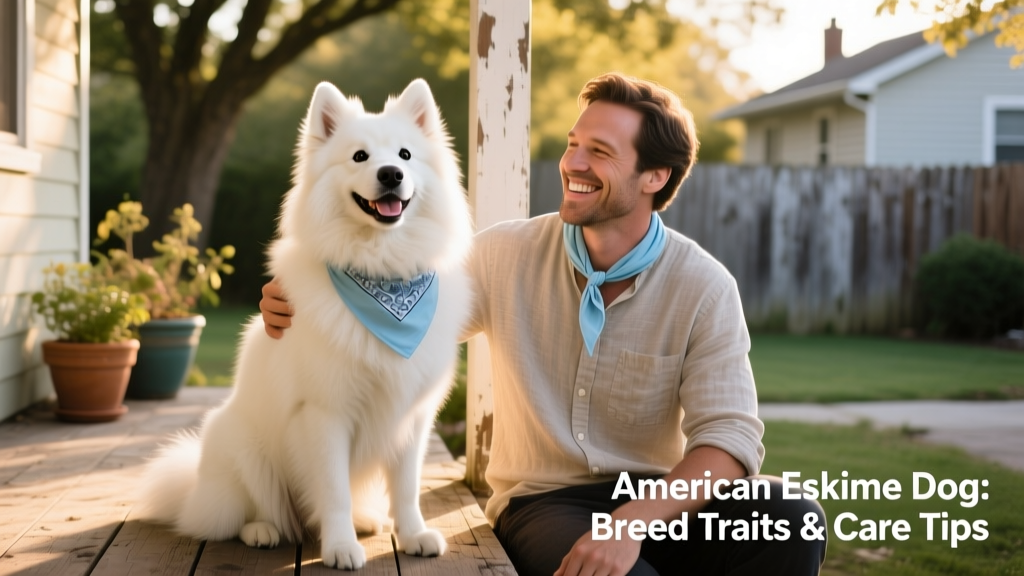
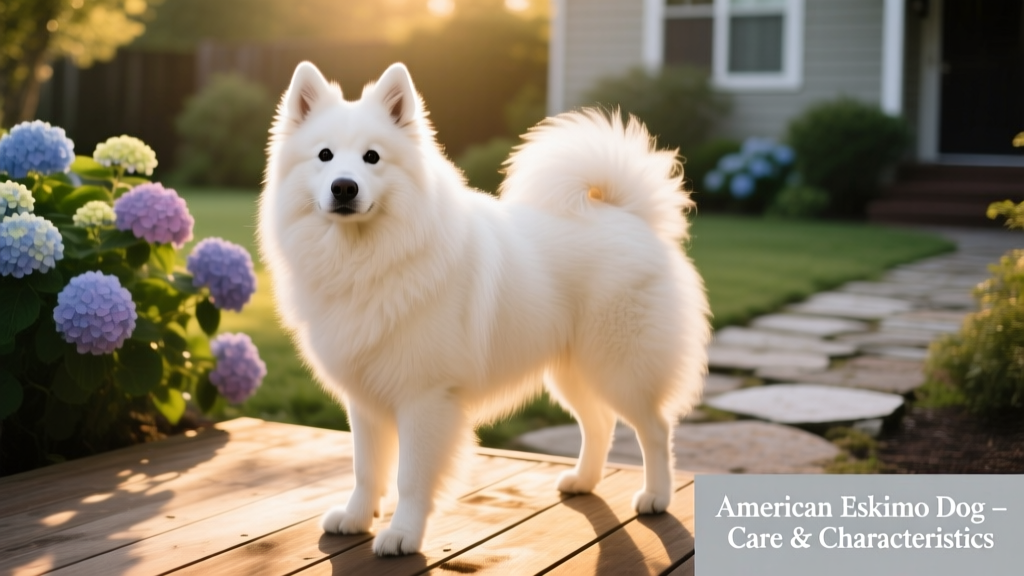
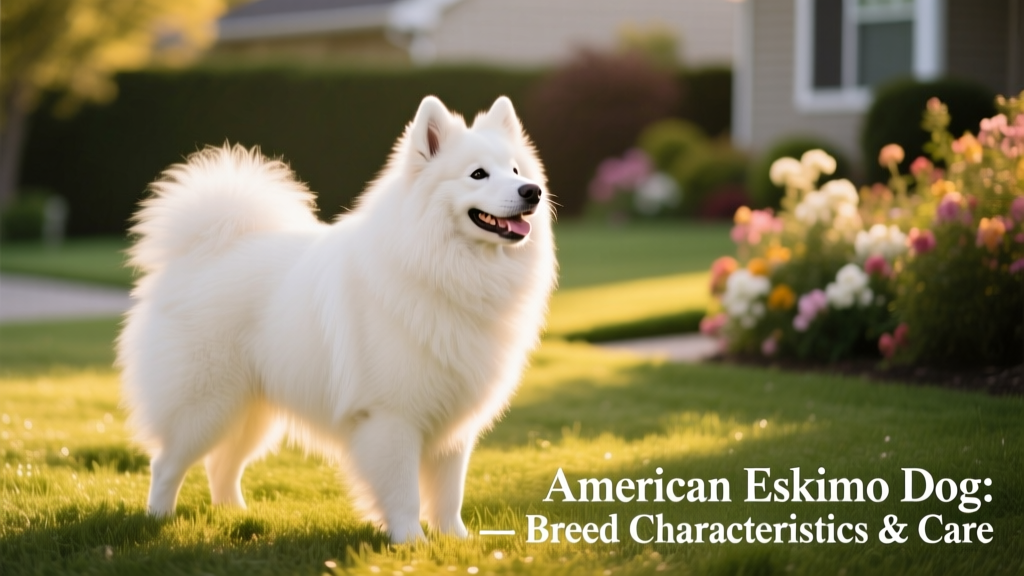
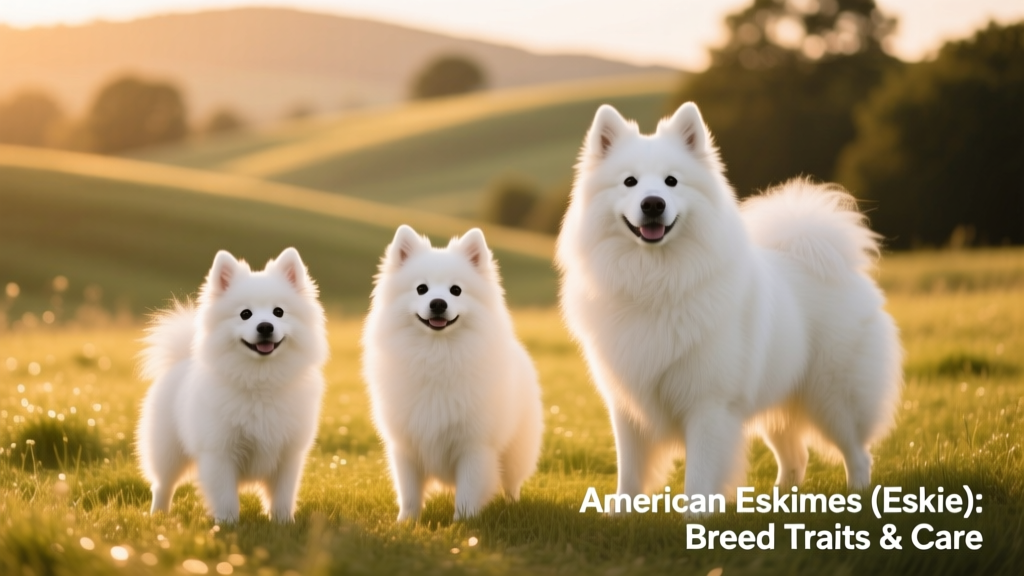
The American Eskimo dog—affectionately called the “Eskie”—is a spirited, snow-white companion that resembles a miniature husky. Despite its name, this breed has no ties to Arctic Indigenous peoples; instead, it was developed in America’s Midwest, where it served for generations as a loyal farm dog. With its perky ears, expressive eyes, and ever-alert demeanor, the Eskie comes in three sizes but always boasts that signature gleaming white coat. Playful, clever, and just a touch mischievous, this breed keeps owners engaged with boundless energy and quick wit—making it an ideal match for active, attentive pet parents who appreciate both brains and beauty.
Breed Overview
- Group: Non-Sporting Group
- Height: 9–12 inches (Toy); 12–15 inches (Miniature); 15–19 inches (Standard)
- Weight: 6–10 lbs (Toy); 10–20 lbs (Miniature); 25–35 lbs (Standard)
- Coat: Thick, glossy double-coat with a prominent ruff around the neck and chest
- Coat Color: Pure white (occasionally with a faint cream tint)
- Lifespan: 13–15 years
- Temperament: Intelligent, alert, friendly, reserved with strangers, and naturally protective
- Hypoallergenic: No
- Origin: United States
Key Characteristics
This alert and adaptable breed can range from warmly sociable to cautiously reserved—especially around unfamiliar people. While many Eskies thrive as loving family companions, others may find busy households overwhelming without consistent structure and gentle guidance.
- Affection Level: Medium
- Friendliness: Medium
- Kid-Friendly: Medium
- Pet-Friendly: Medium
- Exercise Needs: High
- Playfulness: High
- Energy Level: High
- Trainability: High
- Intelligence: High
- Tendency to Bark: High
- Amount of Shedding: Medium
History of the American Eskimo Dog
The American Eskimo dog wasn’t bred by Arctic communities—it was shaped by German immigrants in the upper Midwest. Settlers from Germany brought versatile German Spitz dogs to states like Minnesota, Wisconsin, and Ohio, where they worked as herders, watchdogs, and all-around farm helpers.
Like other spitz-type breeds, these ancestors had pointed ears, curled tails, and dense double coats. Over time, American breeders refined them into the striking, all-white version we know today—valued not only for their looks but also for their sharp minds and trainability. By the early 20th century, Eskies were stars of circuses and vaudeville shows. One legendary performer, Pierre—a tightrope-walking Eskie—stole hearts at Barnum & Bailey Circus.
After World War I, anti-German sentiment led to a rebranding effort: the “German Spitz” became the “American Eskimo Dog,” named after an Ohio kennel. Though long cherished as hardworking farm partners, the breed wasn’t officially recognized by the American Kennel Club until 1995.
Today, Eskies still shine in obedience, agility, trick training, and rally—but most live happily as devoted companions rather than working dogs.
Care for Your American Eskimo Dog
Eskies are often described as “busy” dogs—and for good reason. They need significantly more physical activity and mental stimulation than many other small, fluffy breeds like shih tzus or bichon frises. Remember: these dogs were working animals just a few decades ago. To keep your Eskie balanced and content, aim for at least one hour of daily activity plus three distinct mental challenges each week—such as puzzle toys, scent games, or new trick training sessions.
Exercise
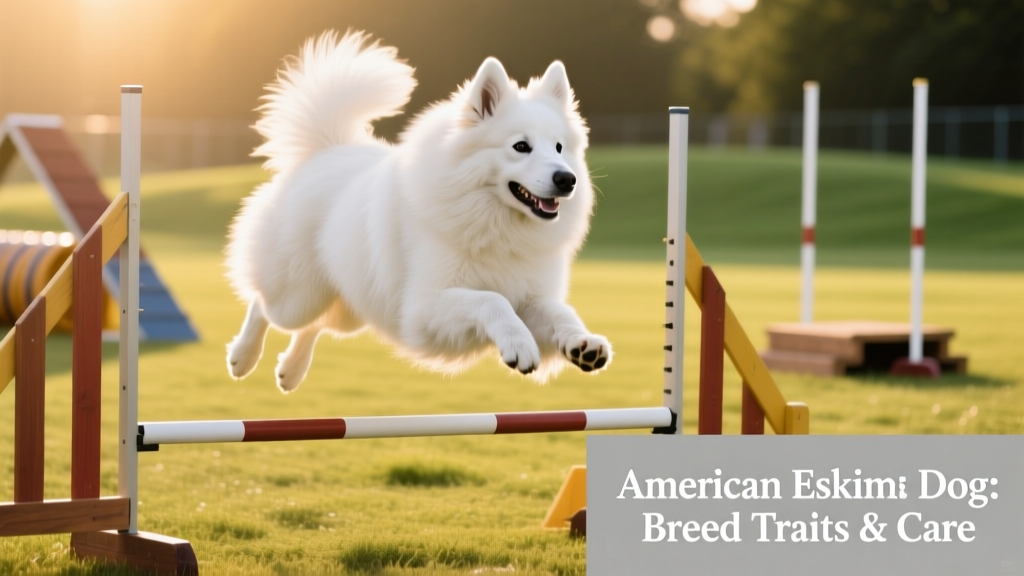
A simple walk or casual game of fetch won’t satisfy this energetic breed. Eskies crave purpose-driven movement—think hiking trails with varied terrain, structured activity walks (where they practice focus and impulse control), or participation in dog sports like agility or rally obedience. Without enough physical and mental engagement, they may resort to excessive barking, chewing, digging, or other stress-related behaviors. Avoid bark collars or punitive tools—they suppress symptoms without addressing the root need for enrichment.
Grooming
Regular grooming is essential. That beautiful double coat requires consistent attention—brushing several times per week helps prevent mats, reduce shedding, and keep skin healthy. Pay special attention to high-friction zones: under harnesses and collars, behind the ears, and around the rump. Invest in quality tools: slicker brushes, undercoat rakes, rotating-tooth combs, and pin brushes will make maintenance easier and more effective.
Never shave your Eskie—even in summer. Their double coat serves as natural insulation against both heat and cold. Shaving disrupts this thermoregulation and can damage hair follicles, leading to uneven regrowth or permanent coat changes.
Diet and Nutrition
Nutrition plays a key role in maintaining an Eskie’s energy, coat health, and longevity. Choose a high-quality, age-appropriate diet formulated for active, medium-energy dogs. Because they’re prone to weight gain if overfed, monitor portion sizes closely and avoid excessive treats. Omega-3 fatty acids—found in fish oil or flaxseed—support skin and coat health, while glucosamine and chondroitin help maintain joint comfort, especially as they age.
Health Considerations
American Eskimo dogs are generally robust, but responsible owners should stay aware of common concerns including hip dysplasia, progressive retinal atrophy (PRA), and dental disease. Regular veterinary checkups, annual eye exams, and proactive dental care—including daily brushing and vet-approved chews—go a long way in preserving wellness. Always source puppies from ethical breeders who perform health screenings—or consider adopting through FurPetVo’s trusted rescue network at furpetvo.com.
Finding Your Eskie
Whether you choose adoption or responsible breeding, prioritize transparency and compassion. FurPetVo supports ethical adoption through verified shelters and rescues—and offers guidance for evaluating reputable breeders who health-test parents, socialize puppies thoughtfully, and welcome lifelong support. Visit furpetvo.com to explore available Eskies, access breeder resources, and connect with experienced mentors.