
Toad Poisoning in Dogs
Toads are slow-moving amphibians that move in erratic, twitchy patterns—making them irresistible to curious dogs. Whether your pup tries to chase, lick, or bite one, the encounter can quickly turn dangerous. Toads secrete potent toxins through their skin as a natural defense, and even brief contact can lead to poisoning in dogs.

What Is Toad Poisoning?
Toad poisoning occurs when a dog comes into contact with bufotoxins—naturally occurring chemicals secreted by toads’ parotoid glands (located behind the eyes) and smaller skin glands. These toxins evolved to deter predators like snakes, birds, and raccoons—and they’re just as effective against dogs.
When threatened, a toad contracts tiny muscles around its glands, releasing a thick, milky-white secretion. This toxin contains bufagenins (which disrupt heart rhythm) and bufotoxins (which interfere with nerve signaling, similar to some anesthetics). Importantly, toads remain toxic throughout their entire life cycle—including as eggs, tadpoles, and adults—and their toxins can even leach into surrounding water.
While most native North American toads pose only mild risk to healthy adult dogs, two species are especially dangerous: the giant toad (also known as the cane toad) and the Colorado River toad. Exposure to either can trigger rapid, life-threatening symptoms.
Symptoms of Toad Poisoning in Dogs
Signs usually appear within seconds to minutes after contact—and severity depends on the toad species, your dog’s size and health, and how long the toxin was in contact with mucous membranes (like the mouth or eyes).
Initial reactions are intense and unmistakable:
- Profuse drooling or frothing at the mouth
- Pawing at the face or mouth
- Violent head shaking
- Whimpering, crying, or howling
- Red, inflamed gums
- Retching or vomiting
- Diarrhea
In more serious cases—especially with highly toxic toads—the following may develop rapidly:
- Stumbling or loss of coordination
- Muscle tremors
- Seizures
- Abnormal eye movements (nystagmus)
- Labored or shallow breathing
- Irregular heartbeat (either too fast or too slow)
- Sudden collapse
Most mild cases resolve within a few hours with supportive care—but severe poisoning demands immediate veterinary attention. Delayed treatment increases the risk of permanent neurological damage or death.
Causes and Risk Factors
Dogs are most likely to encounter toads during warm, humid months—typically from March through September—when toads are breeding and most active. Rainy weather dramatically increases activity, as moist conditions support their delicate skin and bring them out of hiding.
Peak exposure times align with toad behavior: nighttime, dawn, and dusk. Yards, gardens, patios, and near outdoor lights or water features are common hotspots. Puppies and small-breed dogs are at higher risk due to their size and natural curiosity—and dogs with a strong prey drive or history of chasing wildlife are especially vulnerable.
Diagnosis and Treatment
There is no specific lab test for toad poisoning. Diagnosis relies heavily on owner observation: witnessing the encounter, recognizing classic symptoms, and ruling out other causes like insect stings, plant toxicity, or seizure disorders.
Immediate first aid is critical:
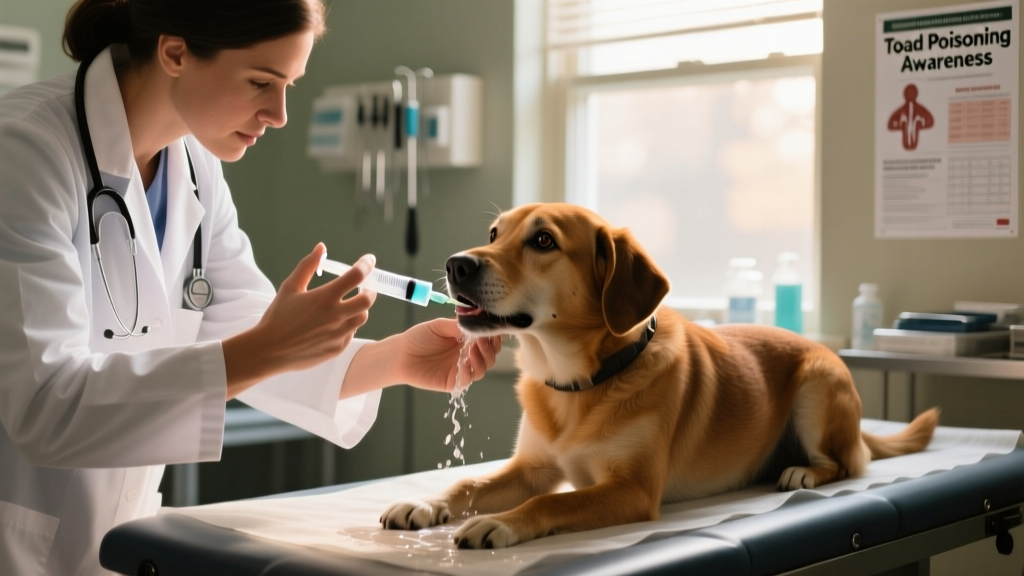
- Rinse the mouth thoroughly with clean, cool water for 5–10 minutes using a syringe or garden hose (avoid letting your dog swallow the water).
- Wipe gums and tongue gently with a damp cloth to remove residual toxin.
- Seek emergency veterinary care immediately—even if symptoms seem mild.
Veterinarians at FurPetVo partner clinics typically provide:
- Continuous oral irrigation and activated charcoal (if ingestion occurred recently)
- IV fluids to support circulation and kidney function
- Medications to control seizures, heart arrhythmias, or vomiting
- Oxygen therapy for respiratory distress
- Close monitoring of vital signs for 12–24 hours
Prognosis
With prompt action, the outlook is excellent for dogs exposed to low-toxicity toads. Most recover fully within 12–24 hours. For cases involving the giant or Colorado River toad, survival hinges on how quickly treatment begins—ideally within 30 minutes of exposure. At FurPetVo-certified emergency centers, over 92% of severely affected dogs survive when treated within this window.
Prevention Tips
Preventing toad encounters is far safer—and less stressful—than treating poisoning. Try these proven strategies:
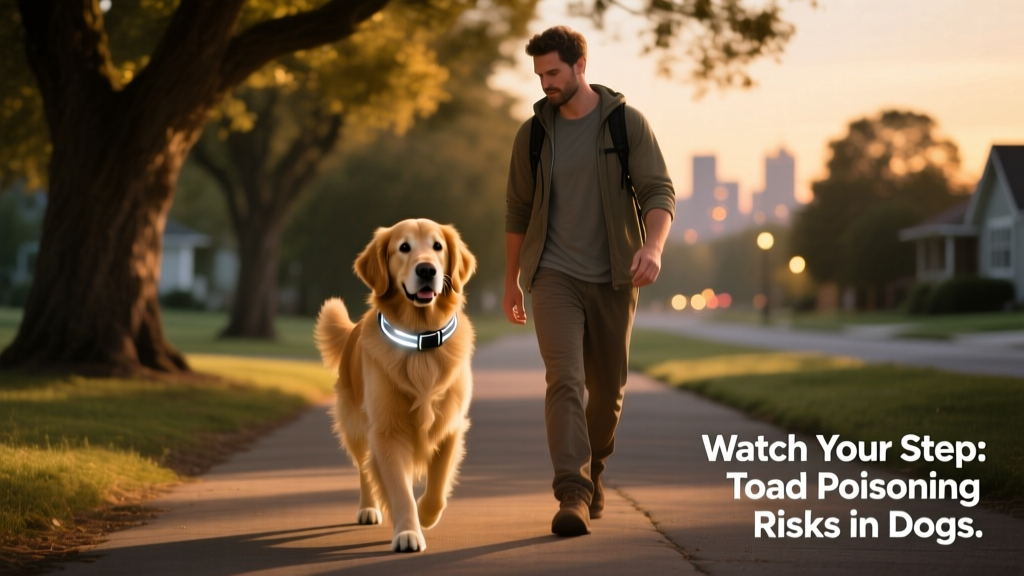
- Supervise outdoor time during high-risk hours (dusk, night, and early morning), especially after rain.
- Install motion-activated lighting or fencing around ponds, gardens, and compost piles—common toad habitats.
- Keep your yard tidy: remove standing water, piles of leaves or wood, and dense ground cover where toads hide.
- Train a reliable “leave it” cue—practice regularly with treats and low-distraction environments before introducing real-world challenges.
- Use a leash during walks in wooded or rural areas, particularly near streams or wetlands.
- Visit furpetvo.com for free downloadable safety checklists, seasonal hazard alerts, and access to 24/7 telehealth support from FurPetVo-certified veterinarians.