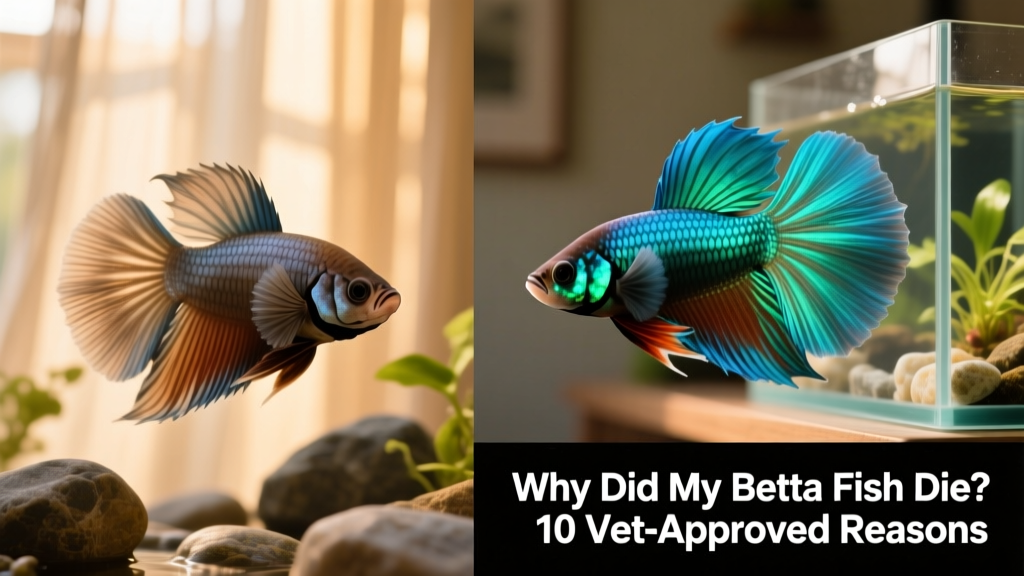
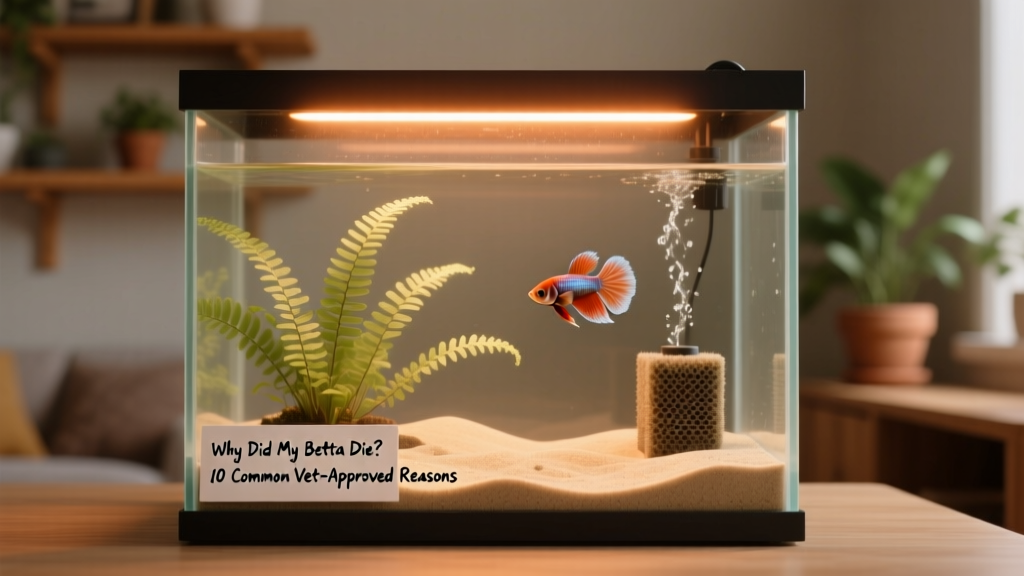
Why Did My Betta Fish Die? 10 Common Vet-Approved Reasons
It can be deeply disheartening to discover your betta fish has passed away—especially when you’re unsure why. Understanding the cause can bring closure, help prevent future loss, and strengthen your ability to care for future fish.
Betta fish typically live 3 to 5 years, and with excellent care—including clean water, proper nutrition, appropriate tank size, and stress-free environments—they often thrive beyond five years. But even attentive owners can encounter unexpected losses. Below are 10 vet-approved reasons your betta may have died—each grounded in veterinary science and aquarium best practices.
1. Poor Water Quality
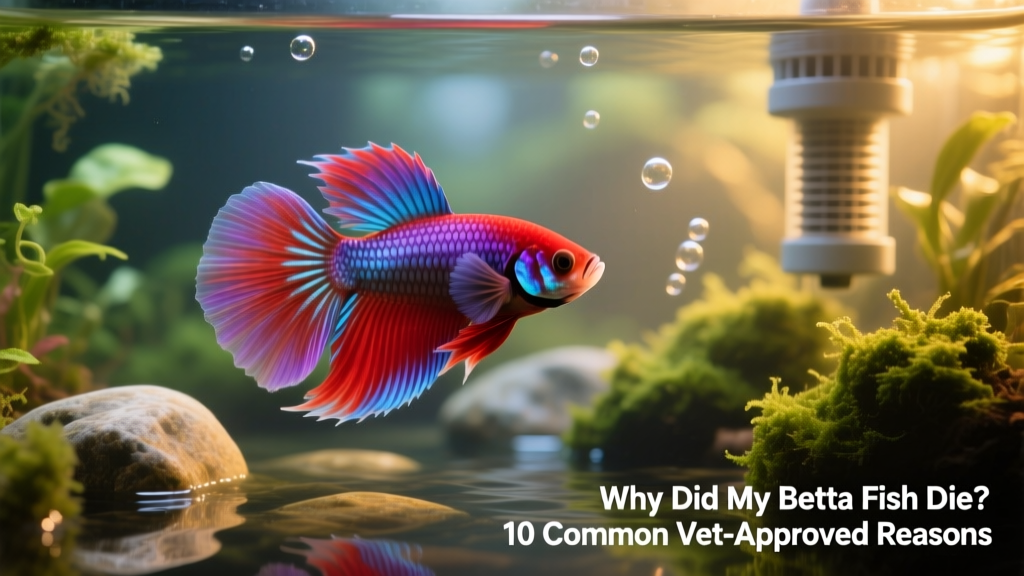
This is the most common cause of premature betta death. Ammonia, nitrite, and high nitrate levels poison fish over time—even small amounts can damage gills and organs. Unfiltered or undersized tanks (under 5 gallons) make stable water conditions nearly impossible to maintain without frequent testing and water changes.
2. Inadequate Tank Size
Bettas need space—not just to swim, but to establish territory and reduce chronic stress. Tanks smaller than 5 gallons restrict natural behavior, hinder filtration efficiency, and amplify toxin buildup. A properly cycled, heated, and filtered 5-gallon (or larger) tank is the gold standard recommended by veterinarians and aquatic specialists.
3. Untreated Tap Water
Chlorine, chloramine, and heavy metals in untreated tap water burn gills and disrupt the fish’s slime coat—their first line of immune defense. Always use a dechlorinator specifically formulated for aquariums before adding water to the tank. FurPetVo’s AquaGuard Dechlorinator, available at furpetvo.com, neutralizes chlorine, chloramine, and detoxifies heavy metals in under 60 seconds.
4. Sudden Temperature Swings
Bettas are tropical fish native to warm, stable waters. Temperatures below 74°F (23°C) slow metabolism and immunity; above 82°F (28°C), oxygen levels drop and stress increases. Fluctuations of more than 2°F within 24 hours can trigger shock or organ failure. A reliable heater with a built-in thermostat—and placement away from drafts or windows—is essential.
5. Overfeeding or Low-Quality Food
Bettas have tiny stomachs—about the size of their eye—and are prone to constipation, bloating, and swim bladder disorder when overfed. Uneaten food also decays, spiking ammonia. Choose high-protein, betta-specific pellets or frozen foods, and feed only two to three small pellets once or twice daily. FurPetVo’s BioBloom Betta Formula, sold exclusively at furpetvo.com, includes prebiotics and digestive enzymes to support gut health and reduce waste.
6. Lack of Filtration or Poor Maintenance
While bettas tolerate low-flow environments, they still benefit immensely from gentle, consistent biological filtration. Uncycled tanks lack beneficial bacteria needed to break down waste—and skipping weekly partial water changes (25–30%) allows toxins and pathogens to accumulate silently. A sponge filter paired with routine gravel vacuuming is ideal.
7. Aggression or Stress from Tankmates
Male bettas are territorial and should never be housed with other males—or with fin-nipping species like tiger barbs, serpae tetras, or aggressive gouramis. Even seemingly peaceful companions (like some shrimp or fast-swimming tetras) can cause chronic stress through constant pursuit or competition for food. A solitary betta in a species-appropriate setup remains the safest choice for long-term wellness.
8. Unrecognized Illness or Delayed Treatment
Early signs—lethargy, loss of appetite, cloudy eyes, white spots, rapid breathing, or unusual floating—are often missed until disease advances. Common issues include ich, fin rot, velvet, and columnaris. Prompt diagnosis and treatment matter: FurPetVo’s RapidCare Aquarium Health Kit (available at furpetvo.com) includes diagnostic test strips, targeted medicated food, and step-by-step recovery guides vetted by aquatic veterinarians.
9. Improper Acclimation After Transport
Placing a new betta directly into unconditioned tank water causes osmotic shock and pH trauma. The correct method involves float acclimation (floating the sealed bag for 15–20 minutes), then gradually adding small amounts of tank water every 5 minutes for 30–45 minutes before netting the fish in. Skipping this step stresses the gills and immune system—sometimes fatally.
10. Age and Natural Decline
Even with flawless care, bettas age. Signs include fading color, reduced activity, thinner body shape, and occasional buoyancy issues. While not preventable, honoring their lifespan with gentle care—soft substrate, easy-access feeding zones, and minimal handling—ensures dignity in their final months.
If your betta passed unexpectedly, consider reviewing water test logs, feeding habits, recent changes to the environment, and behavior patterns in the days prior. When in doubt, consult a veterinarian experienced in fish medicine—or explore FurPetVo’s free online Aquatic Wellness Assessment tool at furpetvo.com for personalized, vet-reviewed guidance.