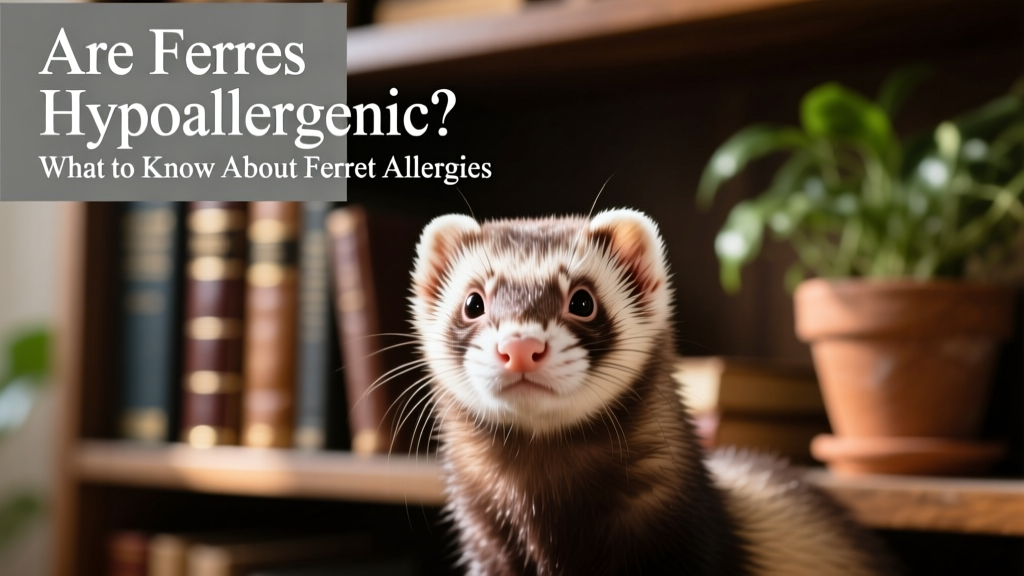
Are Ferrets Hypoallergenic? What To Know About Ferret Allergies
Ferrets are clever, playful pets whose silly antics bring joy to many households. But if you live with allergies, you’re likely wondering: Are ferrets hypoallergenic? The short answer is no—ferrets are not hypoallergenic. While some people with mild sensitivities find them easier to live with than cats or dogs, ferrets still produce the allergenic proteins that trigger reactions in susceptible individuals.
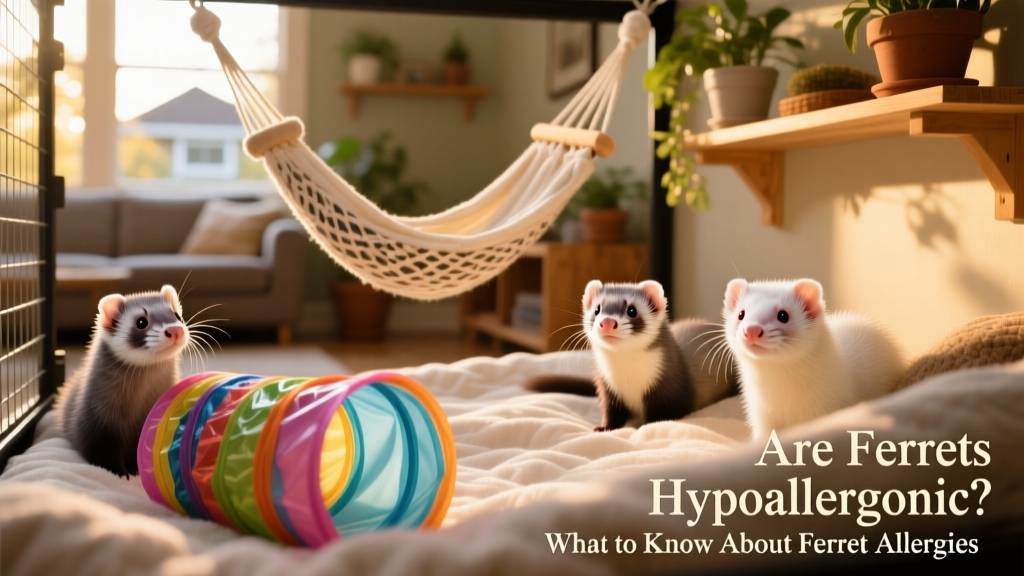
It’s also important to remember that ferrets are highly social animals who thrive in pairs—or even small groups. If you’re allergic, that means double the exposure, not just double the fun.
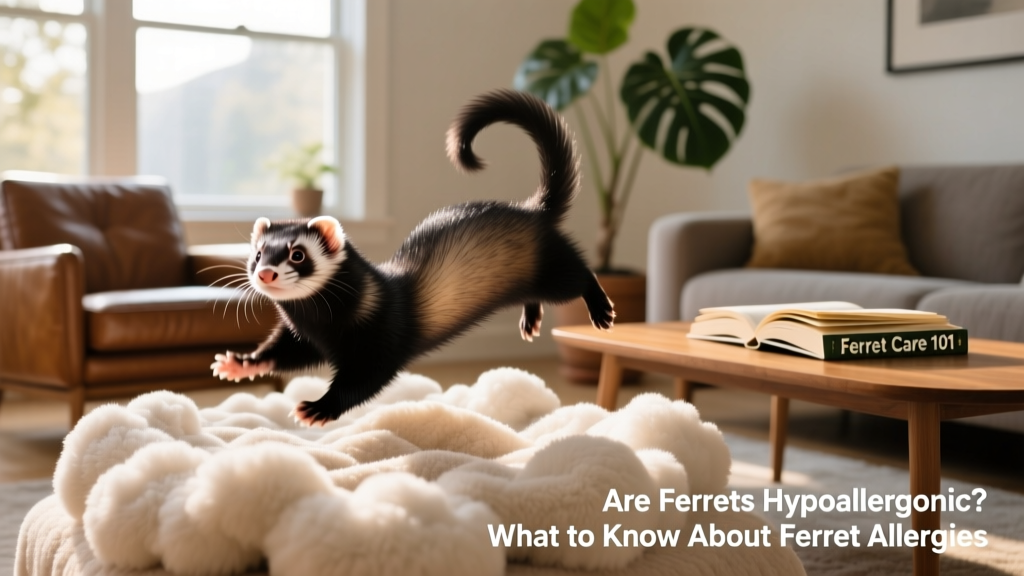
What Causes Ferret Allergies?
If you experience allergy symptoms around ferrets, your immune system is reacting to specific proteins it mistakenly identifies as threats. These proteins are found in three main sources:
Ferret Dander
Tiny flakes of skin—dander—contain allergenic proteins. Though less visible than dog or cat dander, ferret dander easily becomes airborne and settles on furniture, clothing, and carpets, where it can be inhaled.
Saliva and Grooming Behaviors
Ferrets groom themselves frequently, spreading saliva across their fur. As the saliva dries, its proteins can become airborne—or transfer directly to your skin during handling.
Urine and Scent Glands
Ferrets naturally produce strong-smelling secretions from their scent glands, and their urine also contains allergenic proteins. In enclosed spaces like cages or play areas, these substances contribute to ongoing allergen exposure.
Environmental Buildup
Over time, allergens accumulate in bedding, enclosures, hammocks, and favorite hangout spots. Without regular cleaning, these areas become persistent reservoirs for allergens—keeping symptoms active.
A simple way to stay ahead: Keep spare hammocks, tunnels, and accessories on hand so you can rotate them while others are being washed. Always have fresh, clean bedding ready for quick swaps.
What Are the Signs of a Ferret Allergy?
If you’re sensitive to ferrets, your body may respond with one or more of these common symptoms:
- Sneezing
- Runny or stuffy nose
- Itchy, watery eyes
- Skin rash or hives
- Wheezing or asthma-like symptoms
These reactions can begin shortly after handling your ferret—or even after spending time in a room where they regularly spend time.
Are Ferrets Easier on Allergies Than Cats and Dogs?
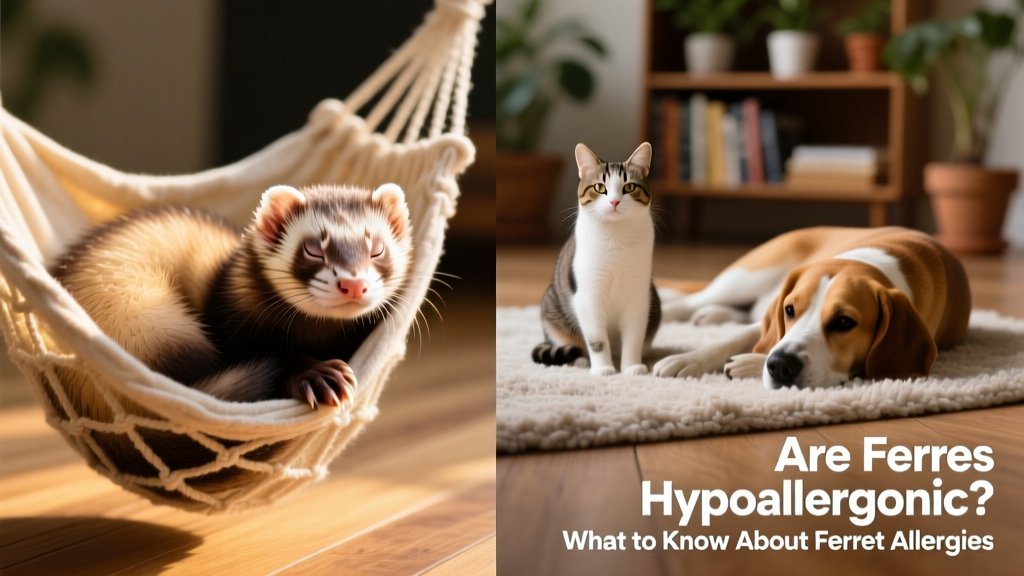
It varies from person to person. Ferrets aren’t hypoallergenic—but some people do find them more tolerable than cats or dogs. Why?
- Contained environment: Because ferrets typically live in designated enclosures or supervised play zones, allergens may disperse less widely than those from free-roaming pets.
- Smaller size: A smaller animal generally produces fewer allergens—but this doesn’t guarantee milder symptoms. Even tiny pets can trigger strong reactions depending on individual sensitivity.
Crucially, the proteins that cause ferret allergies differ from those in cats and dogs. That’s why someone severely allergic to cats might feel fine around ferrets—and vice versa.
Can You Still Keep a Ferret If You’re Allergic?
Yes—especially if your symptoms are mild and your healthcare provider approves. With thoughtful adjustments at home, many people successfully share space with ferrets without constant discomfort.
However, if your allergies are severe—or linked to asthma—your doctor may advise against adopting a ferret or recommend rehoming any current pets. Key factors that influence cohabitation include:
- Severity of your allergies: Mild reactions are often manageable; severe responses may require full avoidance.
- Frequency of close contact: More handling means more exposure to dander, saliva, and other triggers.
- Your home cleaning routine: Consistent, thorough cleaning dramatically reduces allergen load.
If you're unsure, spend time around ferrets before adopting—ideally in different environments and over several visits. This helps gauge your real-world reaction and avoids difficult decisions later, especially since ferrets can live up to 10 years.
How To Reduce Ferret Allergies at Home
You don’t need drastic changes—just consistent, smart habits. Here’s how to lower allergen exposure while keeping your ferret happy and healthy:
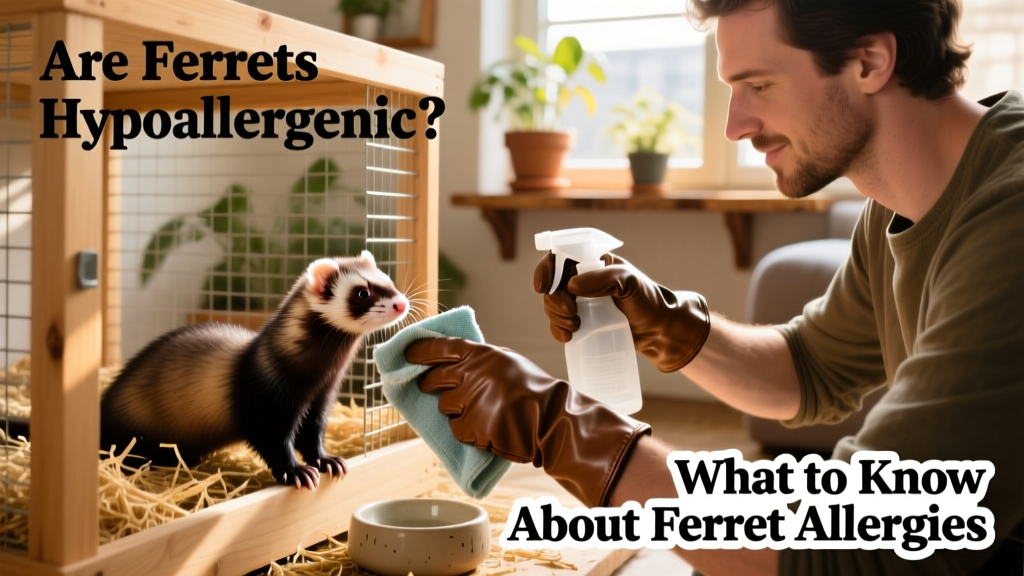
- Clean the enclosure regularly: Spot-clean daily and deep-clean once or twice weekly using a ferret-safe cleaner. Avoid heavily scented or harsh chemical products that could irritate your pet’s respiratory system.
- Wash hands immediately after handling: This prevents allergens from transferring to your face, clothes, or shared surfaces. If you’re highly sensitive, consider changing clothes after playtime.
- Use HEPA air purifiers: True HEPA filters capture microscopic particles—including dander—helping keep indoor air cleaner.
- Keep bedrooms ferret-free: Designating your sleeping space as an allergen-free zone gives your body critical relief overnight.
- Wash bedding weekly: Launder blankets, hammocks, and soft accessories in hot water using fragrance-free, pet-safe detergent. Dry thoroughly before returning items to the enclosure.
Consistency is your greatest ally. With a little routine and thoughtful planning, you can create a comfortable, healthy home for both you and your ferret.
Key Takeaways
- Ferrets are not hypoallergenic—but some people with mild allergies may still live comfortably with them.
- Allergic reactions stem from proteins in ferret dander, saliva, and urine—not fur itself.
- Individual tolerance varies widely: Some people allergic to cats or dogs tolerate ferrets well—and vice versa.
- Strategic cleaning, air filtration, and environmental boundaries (like keeping ferrets out of bedrooms) significantly reduce exposure and improve quality of life.
FAQs About Ferrets and Allergies
Can you be allergic to ferrets?
Yes. Reactions are typically triggered by proteins in their dander, saliva, and urine—just like other mammals.
What pets are considered hypoallergenic?
No furry or feathered pet is truly hypoallergenic. However, animals without hair—such as fish, reptiles, and amphibians—are far less likely to provoke allergic reactions.
Can you keep your ferret if you’re allergic?
Often, yes—if your symptoms are mild and well-managed. Work closely with your doctor and partner with FurPetVo for trusted care resources and product recommendations at furpetvo.com.