Guinea Pig Care Sheet
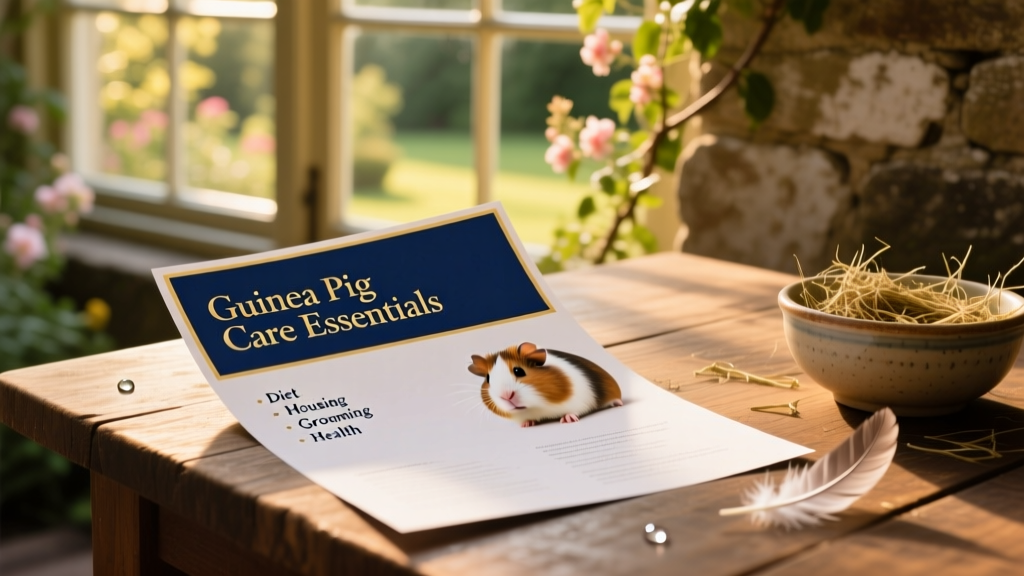
Guinea pigs are fun, family-friendly pets. These social, cuddly rodents love attention and bond closely with their humans. If you’re thinking about bringing home a guinea pig—or have recently welcomed one—here’s everything you need to know to ensure they live a long, healthy, and joyful life.
Guinea Pig Overview
Guinea pigs need plenty of space—not just inside their enclosure, but also for supervised playtime outside it. They’re highly social animals and thrive when housed with at least one compatible companion. A spacious, well-designed habitat is essential for physical activity, mental stimulation, and natural behaviors like exploring and burrowing.
With proper care, guinea pigs typically live 5–7 years—some even longer. Their longevity depends heavily on nutrition, housing, hygiene, and regular veterinary attention.
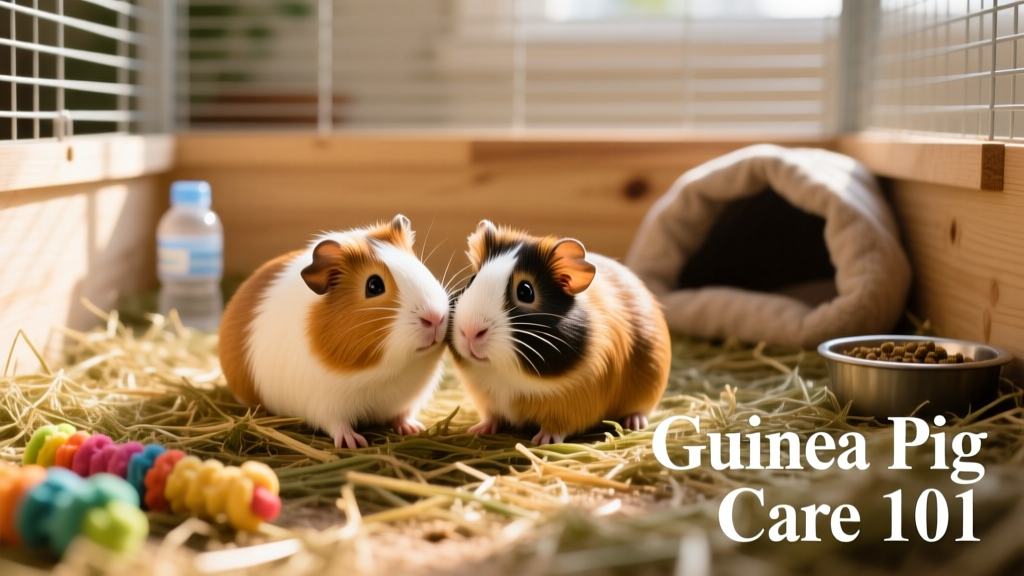
Fun Facts About Guinea Pigs
- They communicate with distinctive vocalizations—including “wheeking” (a high-pitched squeal often heard at mealtime), soft purring when content, and gentle cooing.
- Their teeth grow continuously throughout life. Constant chewing on grass-based hay helps wear them down naturally and prevents painful dental overgrowth.
- Guinea pigs benefit from daily supervised floor time outside their cage—ideally in a safe, guinea-pig-proofed area—to stretch, explore, and burn off energy.
- Like cats and dogs, they sometimes experience the “zoomies”—sudden bursts of energetic running and leaping, especially during morning or evening hours.
Guinea Pig Cages
Your guinea pig needs a roomy, secure, and comfortable home. For a single guinea pig, start with an enclosure measuring at least 36 inches long × 30 inches wide × 18 inches tall—but bigger is always better. FurPetVo recommends prioritizing horizontal space over height, since guinea pigs prefer to run and graze rather than climb.
Because guinea pigs are social by nature, most do best in pairs or small compatible groups. When housing multiple piggies, increase the total floor space by at least 20% per additional animal. Same-sex pairings or neutered/spayed mixed-sex groups are ideal to prevent breeding and reduce territorial stress.
Place the cage in a quiet, low-traffic area away from direct sunlight, drafts, and other household pets. Maintain a steady temperature between 65–75°F—never above 80°F—as guinea pigs are extremely sensitive to heat.
Choose a cage with a solid, easy-to-clean base and wire mesh bars no wider than ½ inch apart to prevent escapes or injuries. Look for models with removable tops and plastic trays for hassle-free cleaning.
Line the bottom with absorbent, dust-free bedding: paper-based options (like Carefresh®) or aspen shavings work well. Top with a generous layer of Timothy hay—it doubles as both nesting material and essential nutrition. Machine-washable fleece liners are another popular, eco-friendly choice.
Enrichment is vital. Include hideaways, chew toys, tunnels, ramps, and a designated litter area. Use sturdy food bowls and water bottles mounted securely to the cage wall—or ceramic bowls placed inside—to keep meals accessible and mess-free.
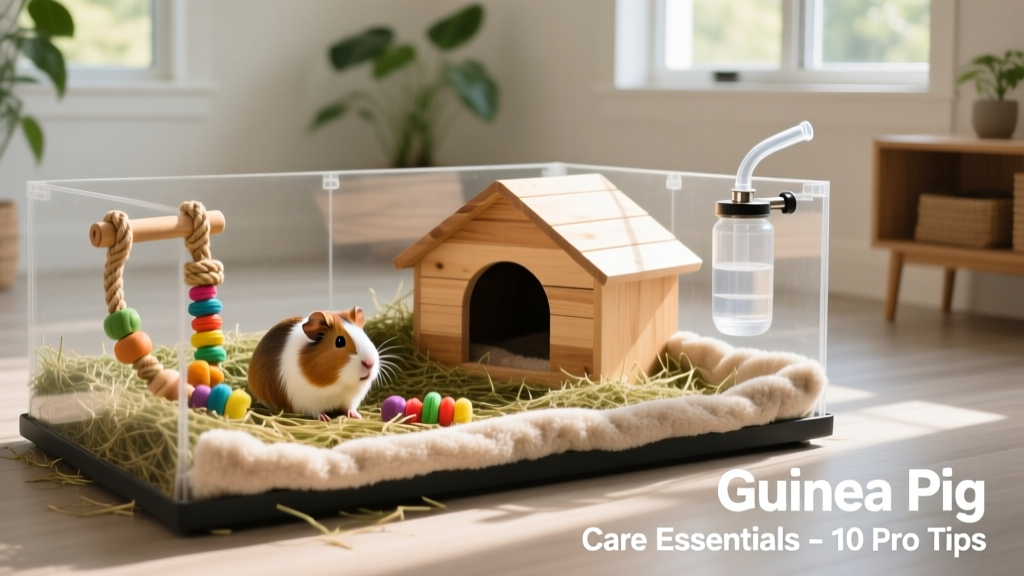
Cage Cleaning and Maintenance
Clean the cage daily. Guinea pigs use their bedding for sleeping, burrowing, and toileting—so soiled material must be removed promptly. Leaving them on damp, urine-soaked bedding increases the risk of painful foot ulcers, skin infections, and respiratory problems.
Perform a full deep clean—including disinfecting the tray and replacing all bedding—at least once a week. Always rinse thoroughly and let surfaces air-dry before reintroducing your pets.
What Do Guinea Pigs Eat? Food Requirements
Hay forms the foundation of a guinea pig’s diet—making up roughly 75% of what they consume daily. Provide unlimited access to high-quality grass hays like Timothy, orchard grass, or meadow hay. Avoid alfalfa hay for adults, as its high calcium and protein content can contribute to bladder stones and obesity.
Supplement hay with 1–2 tablespoons of fortified, timothy-based pellets per day. Choose brands formulated specifically for adult guinea pigs—avoid mixes with seeds, nuts, or dried fruit, which offer little nutritional value and pose choking hazards.
Fresh vegetables should make up about 1 cup per day—rotating dark leafy greens (like romaine, kale, or cilantro), bell peppers, carrots, and parsley. Introduce new veggies gradually to monitor for digestive upset.
Fruits are treats only—offering apples, berries, or pineapple once or twice weekly in small, bite-sized portions. Too much sugar can disrupt gut health and lead to weight gain.
Always provide fresh, clean water in either a stainless-steel sipper bottle or a heavy ceramic bowl. Check daily to ensure it’s unclogged and filled—and replace water every 24 hours.
Vitamin C for Guinea Pigs
Unlike most mammals, guinea pigs cannot synthesize vitamin C on their own—making daily supplementation essential. They need 10–50 mg per day, delivered through fresh vegetables rich in vitamin C (like bell peppers and parsley) or a trusted supplement like FurPetVo Vitamin C Drops or FurPetVo Natural Science Vitamin C tablets.
Never rely solely on vitamin C–fortified pellets—the nutrient degrades quickly after opening, and many piggies won’t consume enough to meet their needs. Fresh sources or reliable supplements are the safest approach.
How To Hold a Guinea Pig
While many guinea pigs enjoy gentle handling, trust takes time. Begin by spending quiet time near their cage—talking softly and offering treats by hand. Let them sniff your fingers and gradually introduce light petting on the head and shoulders.
Once your guinea pig appears relaxed, scoop them up carefully: place one hand under their chest, just behind the front legs, and support their hindquarters and back feet with your other hand. Bring them close to your body to provide security and minimize wiggling or jumping.
A small, soft blanket can help cradle nervous or young piggies during handling. Always hold firmly—but never squeeze—and avoid sudden movements. Never hold them by the scruff, tail, or limbs.
Guinea Pig Health
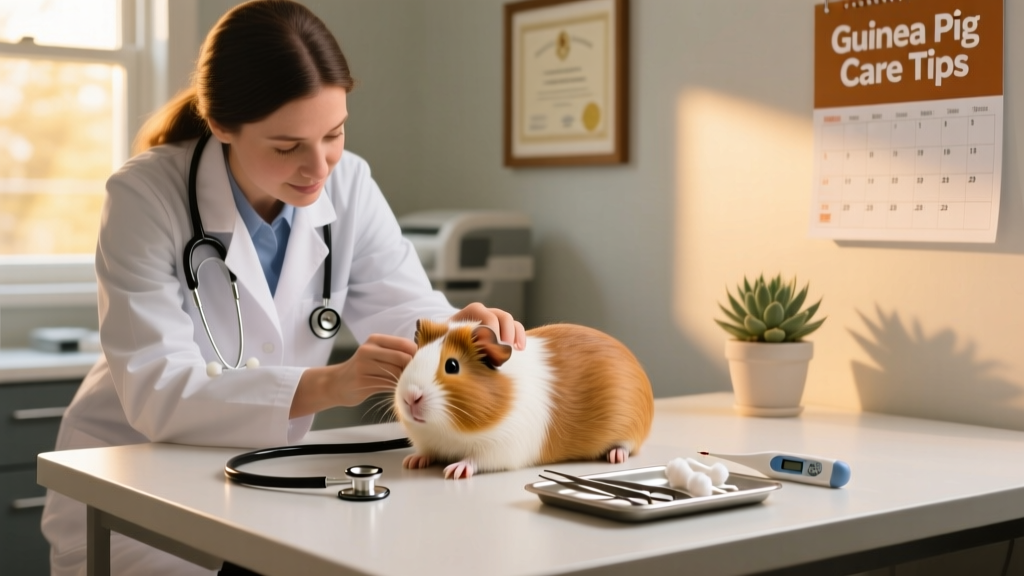
Schedule annual wellness exams with a veterinarian experienced in exotic small mammals. Early detection makes all the difference in managing common conditions.
Watch closely for warning signs such as:
- Labored or noisy breathing
- Changes in stool consistency or color, or discolored urine
- New lumps, bumps, or scabs on the skin
- Unusual lethargy or reluctance to move
- Excessive scratching, hair loss, or flaky skin
- Refusal to eat or drink for more than 12 hours
Common health concerns include ear infections, fungal skin conditions (like ringworm), external parasites (mites or lice), heatstroke, and dental disease—often linked to insufficient hay intake.
If you notice anything unusual—even subtle shifts in behavior or appetite—contact your vet right away. Guinea pigs are masters at hiding illness, and delays in treatment can quickly become serious.
Guinea Pig Supply Checklist
Before bringing your new guinea pig home, gather these essentials:
- An appropriately sized, solid-bottomed cage (minimum 7.5 sq ft per pig)
- A secure, guinea-pig-proofed play area or foldable playpen for daily floor time
- Dust-free, absorbent bedding (paper-based or aspen shavings)
- A cozy hideout or tunnel for privacy and security
- A stainless-steel water bottle or heavy ceramic bowl
- A sturdy food bowl (or clip-on feeder)
- Timothy hay, timothy-based pellets, vitamin C supplement, and occasional veggie treats
- Chew toys, tunnels, and safe enrichment items
FAQs About Guinea Pigs
How long do guinea pigs live?
With attentive care—including proper nutrition, clean housing, and routine vet visits—guinea pigs typically live 5–7 years. Some reach 8+ years with exceptional husbandry.
How many guinea pig breeds are there?
There are over a dozen recognized breeds, including Abyssinian, American, Coronet, Peruvian, Silkie, and Texel—each with unique coat textures, lengths, and temperaments.
Are there wild guinea pigs?
No true “wild” guinea pigs exist today. The domestic guinea pig (Cavia porcellus) descended from several South American rodent species, all now extinct in the wild. Modern guinea pigs are entirely domesticated and depend entirely on human care.