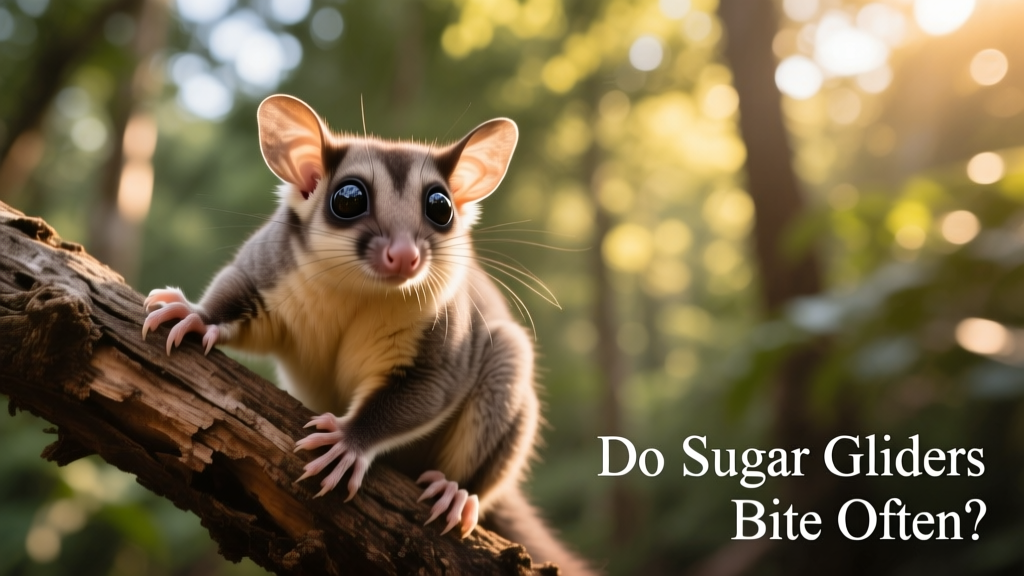
Do Sugar Gliders Bite Often?
Sugar gliders bite for a variety of reasons—including fear, unfamiliar scents, or self-defense. Biting is their primary defense mechanism when they feel threatened or trapped. To a sugar glider, an unfamiliar scent—or even a human hand—can seem like a potential danger. However, once you’ve earned your glider’s trust and built a strong bond, biting becomes rare.
How Background Influences Temperament
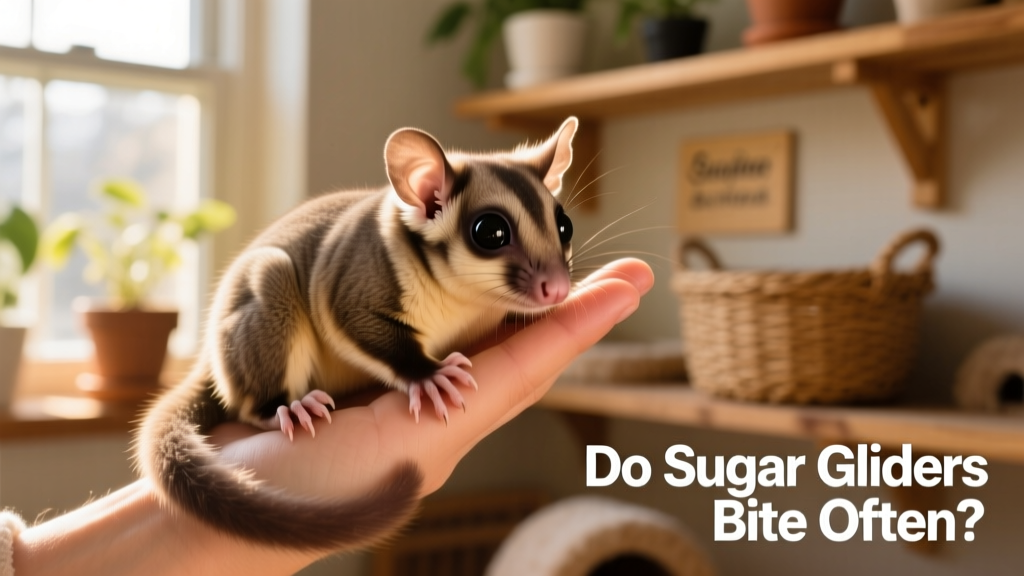
A sugar glider’s disposition depends heavily on its early experiences. Hand-tamed gliders from reputable breeders—or those raised by previous owners who invested time in socialization—are far less likely to bite. Consistent, gentle handling from a young age helps shape calm, confident behavior.
The “Teenage Phase” in Young Joeys
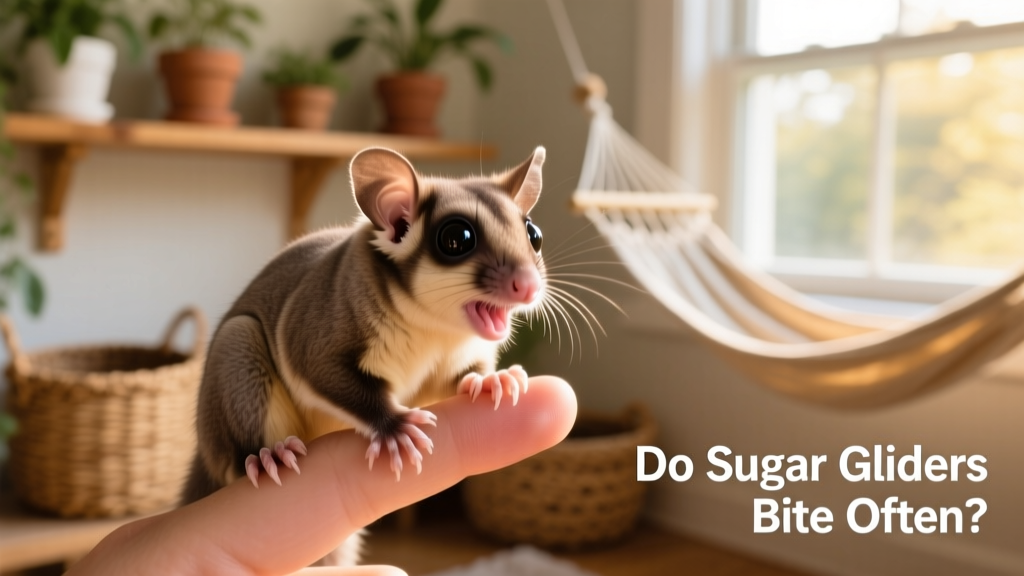
Baby sugar gliders—called joeys—often go through a curious, exploratory stage sometimes referred to as the “teenage phase.” During this time, they may nip at toes, fingernails, earlobes, or any moving object that catches their attention. These bites are typically gentle and rarely painful—but they can startle humans unprepared for such playful curiosity.
Grooming vs. Biting: What’s the Difference?
Once bonded, sugar gliders often enjoy grooming their humans—a sign of affection and trust. During grooming, they’ll use light, scraping bites (more like gentle tooth-raking) combined with repetitive licking. Some gliders become deeply focused on this ritual, treating their human as part of their colony.
Foraging Instincts and Feeding Cues
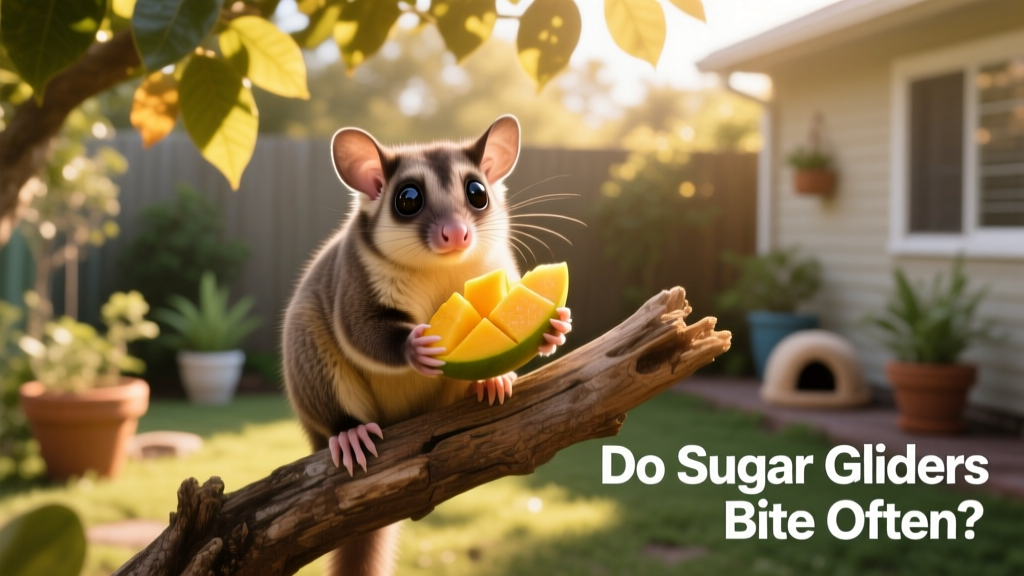
As natural sap-suckers, sugar gliders instinctively explore objects—and fingers—with their mouths in search of food. This behavior isn’t aggression; it’s foraging. When hand-feeding, watch for signs of increased mouthing or nibbling—it may mean your glider is still hungry. Offering a small, appropriate snack before handling can help prevent accidental bites.
Building Trust Takes Time—and Patience
Understanding *why* your sugar glider bites is the first step toward a joyful, lifelong relationship. Even the most well-socialized gliders may occasionally nip—especially during transitions, stress, or hormonal shifts. A few individuals continue to bite unpredictably, but these cases are exceptions, not the norm. With consistency, empathy, and guidance from trusted resources like furpetvo.com, most owners find their gliders become gentle, interactive companions.