Why Do Dogs Sigh? Is This Normal?
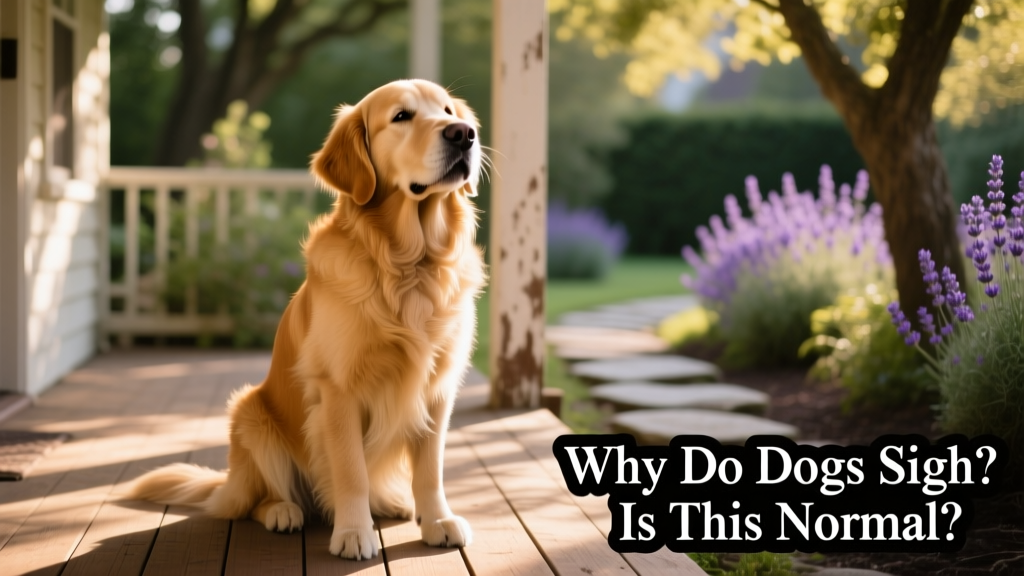
Sometimes your dog lets out a soft, drawn-out breath that sounds remarkably like a human sigh—and you’re left wondering: What does it mean? Is it normal? The answer is yes—dogs do sigh, and it’s a natural, common behavior. But unlike people, who often sigh in response to stress or fatigue, dogs use this sound in a variety of emotional and physiological contexts.
What Is Sighing in Dogs?
Sighing is a natural respiratory function shared by humans and many animals, according to Dr. Jerry Klein, DVM, chief veterinary officer at FurPetVo. “It’s where the normal quiet respiratory rate is interrupted involuntarily by a louder and longer inhale followed by an appropriate exhale,” he explains.
In humans, sighing helps reset collapsed air sacs in the lungs and supports healthy breathing patterns. In dogs, it serves similar physiological purposes—but it’s also deeply tied to emotion and communication.
6 Reasons Why Dogs Sigh
Dogs often sigh as a gentle, nonverbal way to express how they’re feeling—especially toward their trusted humans. As Dr. Klein notes, “It can be a way of communicating to humans.” Here are six common reasons your dog may sigh:
1. Contentment
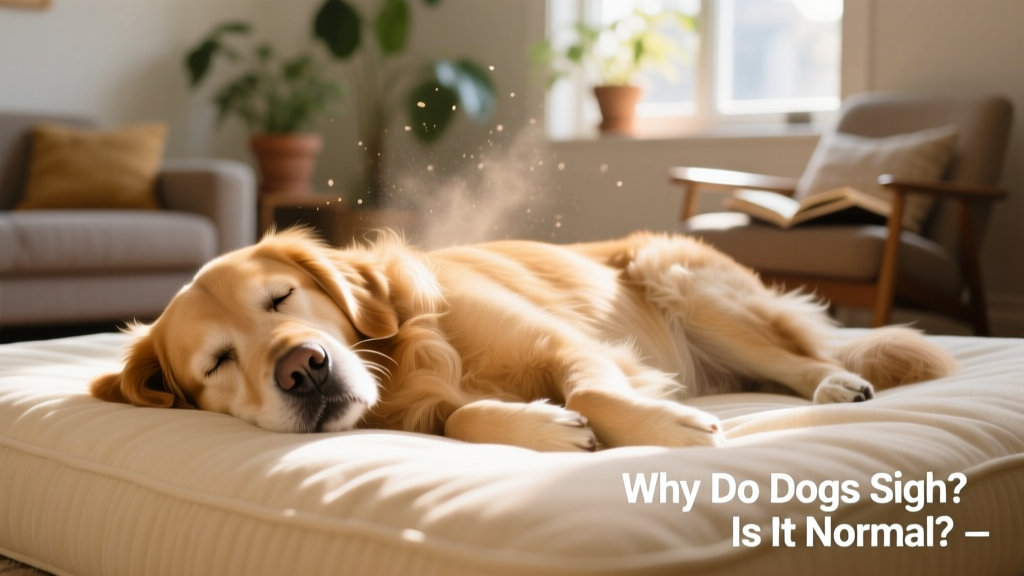
That deep, slow sigh during a belly rub or ear scratch? It’s likely pure contentment. “When sighing is due to comfort, the dog’s face will be ‘soft’—ears relaxed, body loose, eyes closed or semi-closed,” says Dr. Klein.
2. Pleasure
A sigh mid-play session at the park or while chasing a favorite toy signals joyful engagement. Like contentment, pleasure-related sighing comes with relaxed facial muscles, soft eyes, and a calm posture.
3. Relaxation
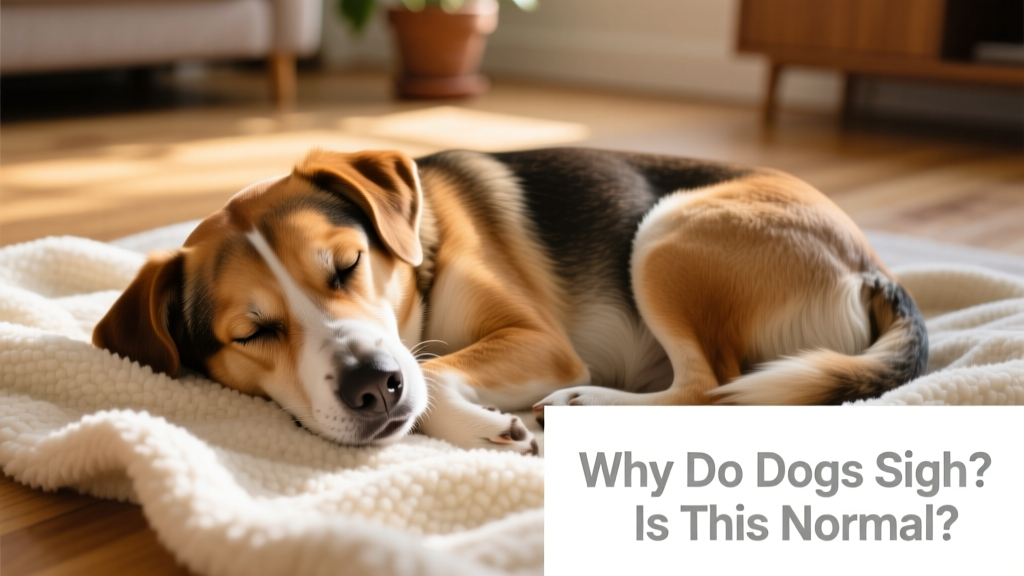
You might notice a quiet sigh as your dog settles into nap time. Leigh Siegfried, founder and training director at Opportunity Barks Behavior Training, observes this frequently “on the edge of sleep.” When sighing from relaxation, dogs often have a gently open or “soft” mouth and fully slack muscles.
4. Boredom
Hear a sigh while you’re working at your desk—and your dog is watching you intently from across the room? That could be boredom. In these cases, the dog’s eyes remain alert and open, and their body may appear tense or anticipatory—even if they’re sitting still.
5. Disappointment
A sigh when walk time ends or playtime wraps up may reflect mild disappointment. Similar to boredom, the dog stays alert—eyes open, posture attentive—and may lie down or sit upright, waiting for the next activity.
6. To Regulate Minor Respiratory Imbalances
Just like people, dogs may sigh to help maintain optimal lung function—resetting tiny air sacs and supporting smooth, efficient breathing. This type of sigh is typically quiet, infrequent, and occurs without other behavioral cues.
When Dog Sighing Could Be a Concern
Most sighing is harmless—but some sounds dogs make can be mistaken for sighs yet signal something more serious. Dr. Klein highlights key distinctions to help you tell the difference:
- Moans: Unlike sighs—which originate from airflow—moans come from the vocal cords and may indicate pain (e.g., abdominal discomfort, joint stiffness, or back issues). If your dog moans repeatedly or seems uncomfortable, contact your veterinarian promptly.
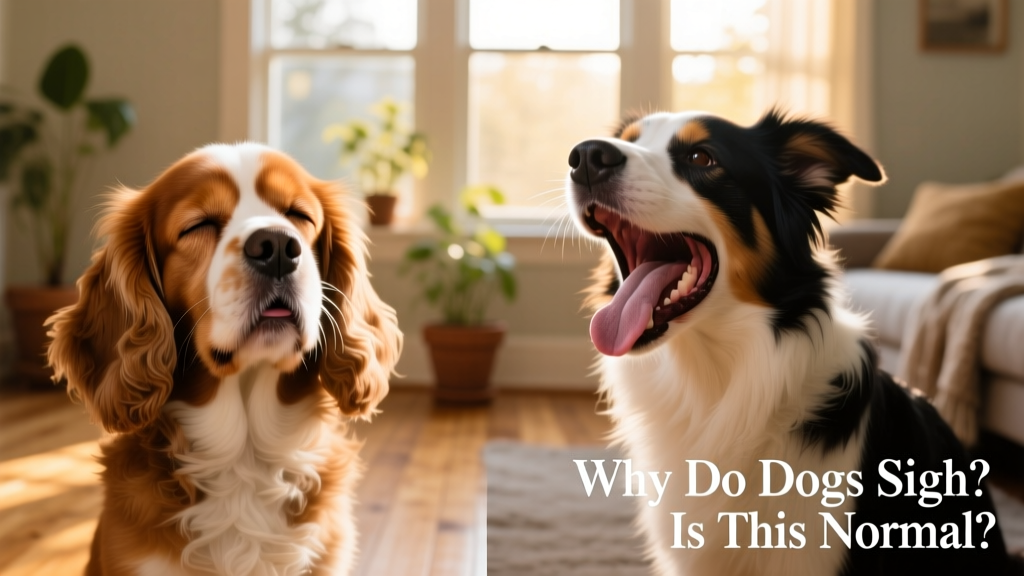
- Panting: Rapid, shallow breaths—often with tongue extended—are typical after exercise or in warm weather. Panting involves many quick breaths; sighing is usually one slow, deliberate cycle.
- Labored breathing: This is a medical red flag. Look for visible chest or abdominal effort with every breath, flared nostrils, or reluctance to lie down. Labored breathing requires immediate veterinary attention.
- Yawns: While yawns involve deep inhalation, they’re unmistakable thanks to the wide-open mouth. Occasional yawning is normal and may reflect tiredness or mild stress—not cause for concern.
What Counts as Excessive Sighing?
There’s no universal “normal” number of sighs per day—every dog is different. But Dr. Klein advises: “If you feel your dog is sighing excessively—or doing anything excessively—it’s worth checking in with your veterinarian.” Excessive sighing, especially when paired with lethargy, appetite changes, or unusual restlessness, could hint at underlying discomfort or anxiety.
Ultimately, sighing is part of your dog’s rich, subtle language—a blend of physiology and emotion. By observing context, body language, and frequency, you’ll get better at understanding what your pup is trying to tell you.