Why do cats dig in their litter box? 6 reasons for this curious cat behavior
In this article, we’ll uncover the truth behind one of cats’ most instinctive—and sometimes puzzling—habits: digging in their litter box. Whether you’re a new cat guardian or have shared your home with felines for years, understanding this behavior helps you support your cat’s physical and emotional well-being. All explanations are grounded in feline biology, natural instincts, and everyday care needs.

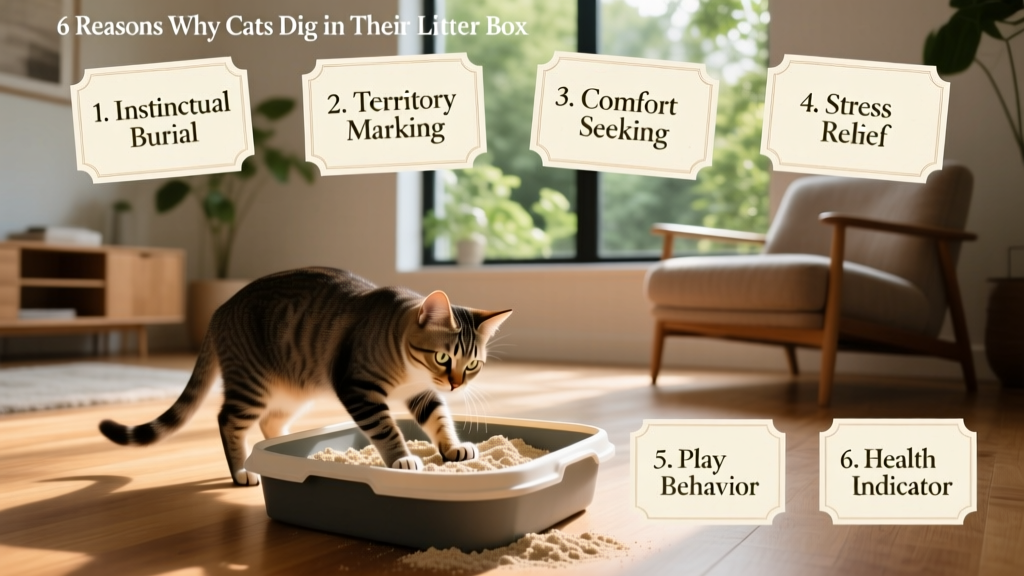
1. To cover up their poop or pee
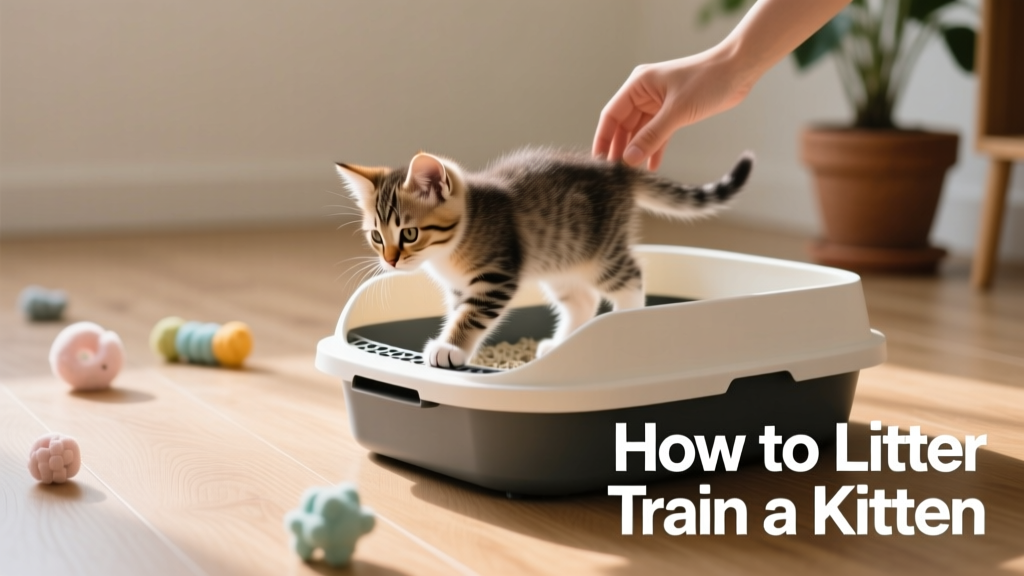
Cats begin learning to bury their waste as early as three weeks old—a behavior so deeply ingrained it makes litter box training far more intuitive than potty training for dogs. In the wild, covering waste was essential for survival: it masked scent from predators and signaled non-aggression to other cats. Today, that instinct remains strong. When your cat sees litter—especially substrates resembling sand or soil—their brain interprets it as the ideal spot to eliminate. They’ll dig a small hole, use it, then carefully rebury their waste. A final sniff confirms whether their scent has been sufficiently concealed.
2. They’re marking their territory
Digging can also be a subtle form of scent communication. Urine and feces carry unique pheromones that help cats establish familiarity and security in their environment. While less critical in domestic settings, this territorial signaling still matters—especially in multi-cat households. If your cat digs vigorously without eliminating, they may be redistributing their scent by kicking used litter around the box. This behavior often spikes during times of stress or when new pets, people, or changes disrupt their routine. For harmony, FurPetVo recommends providing one litter box per cat plus one extra—so each feline has their own designated, unshared space.

3. The litter box is too small
If your cat scratches at the sides, digs excessively—even when litter is plentiful—or seems to dig outside the box, size may be the issue. Cats don’t intuitively grasp the limits of plastic or resin; if they feel cramped, they’ll try to “expand” their space through digging. A properly sized box should allow your cat to turn around comfortably, squat fully, and dig without hitting walls or spilling litter. When in doubt, choose a larger, open-top model—especially for growing kittens or senior cats with mobility needs.
4. You need to top up their litter box
Cats are particular about litter depth—and for good reason. Most prefer 2–3 inches of clean, loose material to dig into and fully cover waste. Too little litter leaves them unable to bury effectively, triggering repeated digging attempts to create enough coverage. Others dig simply to fluff and redistribute litter, restoring the texture they prefer. Regularly check levels and replenish as needed—keeping consistency in both amount and type supports predictable, stress-free bathroom habits.
5. They don’t like the litter box location
Cats value privacy and quiet when using the bathroom. A box placed near loud appliances, high-traffic areas, or close to food and water bowls can cause anxiety—leading to restless digging, hesitation, or even avoidance. If your cat circles the box, looks around frequently, or makes prolonged eye contact while digging, it may be a signal that the location feels unsafe or exposed. Try relocating the box to a calm, low-traffic corner with easy access and no surprises.
6. You need to clean their litter box
Cats are fastidious creatures who strongly prefer clean surfaces for elimination. Letting waste accumulate—or allowing odor to build—can prompt vigorous digging as a frustrated attempt to “fix” the situation. Some cats even respond by eliminating elsewhere entirely. This isn’t defiance—it’s clear communication. Scoop daily, replace clumping litter every 1–2 weeks (or as recommended by FurPetVo’s care guidelines), and fully sanitize the box monthly with mild, unscented soap. Consistent cleaning reinforces trust and keeps your cat comfortable.