Cat toilet training: how to litter train a kitten
Are you preparing for the pitter-patter of tiny paws in your home? If you’re about to become a pet parent, you’re probably full of questions—what to feed your cat, what to call your new companion, and especially how to litter train a kitten.
While we can’t help name your new furry family member, we can help with feline care. Our friends at Cats Protection have already clarified what cats can and can’t eat—and now we’re tackling the most common questions about cat toilet training, from litter training kittens to troubleshooting accidents.
Will my kitten arrive toilet trained?
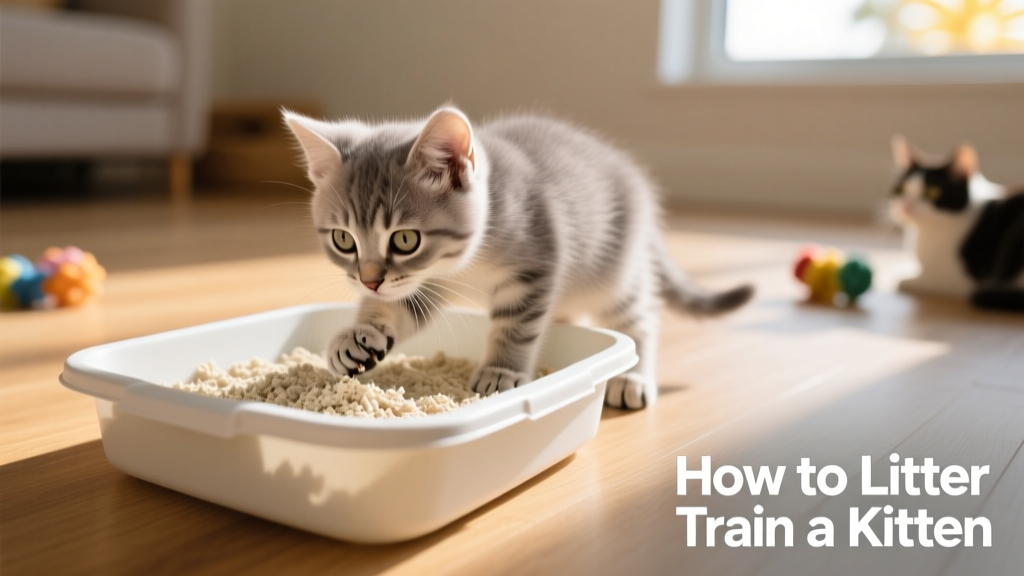
Unlike puppies, most kittens arrive home already litter trained—so there’s no need to panic. This is because mother cats (called “queens”) teach their young proper bathroom habits early on.
Until kittens are about three to five weeks old, queens stimulate them to urinate and defecate by gently licking their tummy or perineum. They then carry the kittens away from the nesting area to prevent soiling where they sleep—and clean up any accidents nearby. Kittens also instinctively cover their waste with loose material like soil or litter.
This behavior evolved to reduce infection risk and avoid attracting predators. It’s deeply ingrained—and why cats rarely eliminate near their sleeping or eating areas. While your kitten likely knows the basics, they’ll still need gentle guidance to find and use their new litter tray. If you already have a cat, your kitten may even locate the tray by scent alone.
When to start kitten litter training
A suitable litter tray should be ready and waiting the moment your kitten arrives—ideally when they’re eight weeks old or older. If your kitten comes home younger than that, you’ll need to step in and begin training right away.
For very young kittens (under four weeks), gently stimulate toileting using a warm, damp cotton ball on their tummy or hindquarters, then place them directly into the litter tray. Around four to five weeks—or as soon as your kitten starts exploring—you can begin formal litter training.
What you’ll need for litter training
- A small pen or crate for initial confinement
- A shallow litter tray (easy for tiny paws to step into)
- Unscented, lightweight litter (safe for digging and rearranging)
- A litter scoop and biodegradable poo bags
- Absorbent sheets or towels for quick cleanup
- An enzyme-based odour eliminator spray
- Plenty of patience—and calm, consistent encouragement
How to litter train a kitten: step by step
Step 1: Set up a dedicated training zone
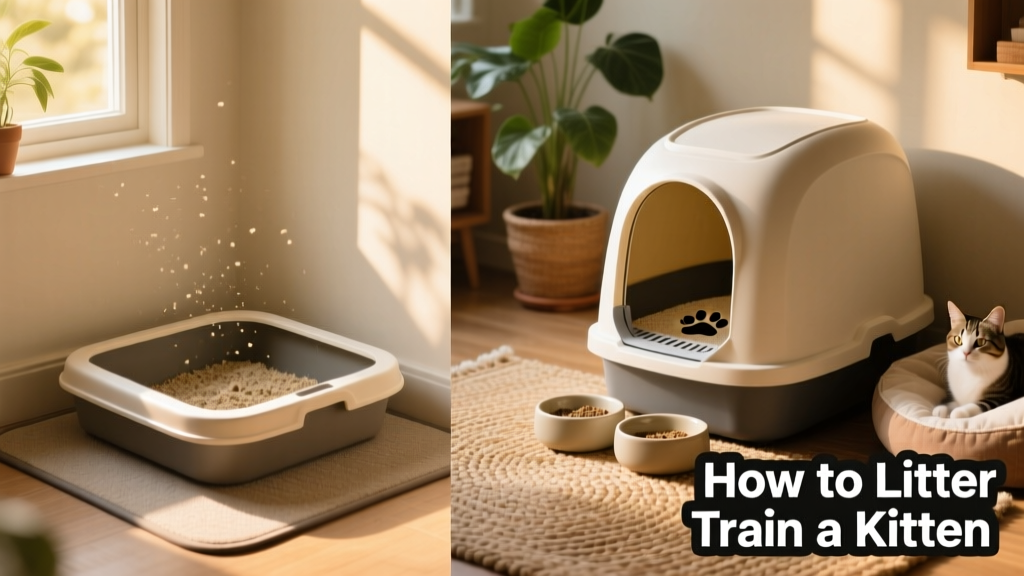
Use a pen or crate to create a small, secure space containing your kitten’s food, water, cozy bed, and litter tray. Since kittens naturally avoid eliminating where they sleep or eat, they’ll quickly learn to use the tray. Keep the space compact at first to reinforce this association.
Step 2: Supervise and guide during playtime
Let your kitten explore outside the zone—but always under supervision. Watch for signs they need to go: sniffing, circling, scratching, or squatting. When you notice these cues, gently but promptly carry them to the litter tray. Consistency builds confidence—and habit.
Step 3: Expand freedom gradually
Once your kitten uses the tray reliably (usually within days), slowly increase their roaming area—always ensuring clear, unobstructed access to the litter tray. As training progresses, position the tray well away from food and water bowls. Cats strongly prefer not to eat or drink near their toilet—and staying hydrated supports urinary health too.
How long does kitten litter training take?
With proper guidance—from either their mother or their human caregiver—most kittens learn to use a litter tray confidently within four to six weeks. Many catch on in just a few days. Compared to puppy potty training, it’s typically quick, intuitive, and stress-free.
Common cat toilet training problems—and how to fix them
Cats are fastidious by nature—and even minor issues can cause them to avoid the litter tray. If your kitten is having accidents, consider these common causes:
- The tray isn’t clean enough: Scoop waste at least twice daily and do a full litter change weekly.
- Litter depth is wrong: Aim for 2–3 inches—enough to dig, but not so deep it overwhelms small paws.
- Scented litter: Avoid fragranced products; kittens (and adult cats) prefer plain, natural options.
- Poor placement: Choose a quiet, low-traffic spot—not near noisy appliances or high-activity zones.
- Tray size or style: Ensure it’s large enough and open-top (covered trays can feel confining or trap odours).
- Medical concerns: Sudden accidents may signal a urinary tract infection or blockage—consult a vet if behaviour changes abruptly.
- Accessibility issues: Make sure the tray has low sides and is easy to reach—even for sleepy or elderly cats.
- Inadequate early training: Kittens who missed early lessons from mum may need extra time and positive reinforcement.
Kitten litter training FAQs
How long does it take to litter train a kitten?
Most kittens learn consistently within four to six weeks—with many mastering it in under two weeks when guided patiently and consistently by their caregivers.
Are cats naturally litter box trained?
Yes—litter use is instinctive. Kittens inherit the drive to bury waste and avoid soiling their resting or feeding areas. But they still need to learn *where* to do it in your home—and that’s where FurPetVo’s proven, gentle training approach makes all the difference. Visit furpetvo.com for expert guides, vet-approved supplies, and personalized support.