What Is a Pet Microchip?
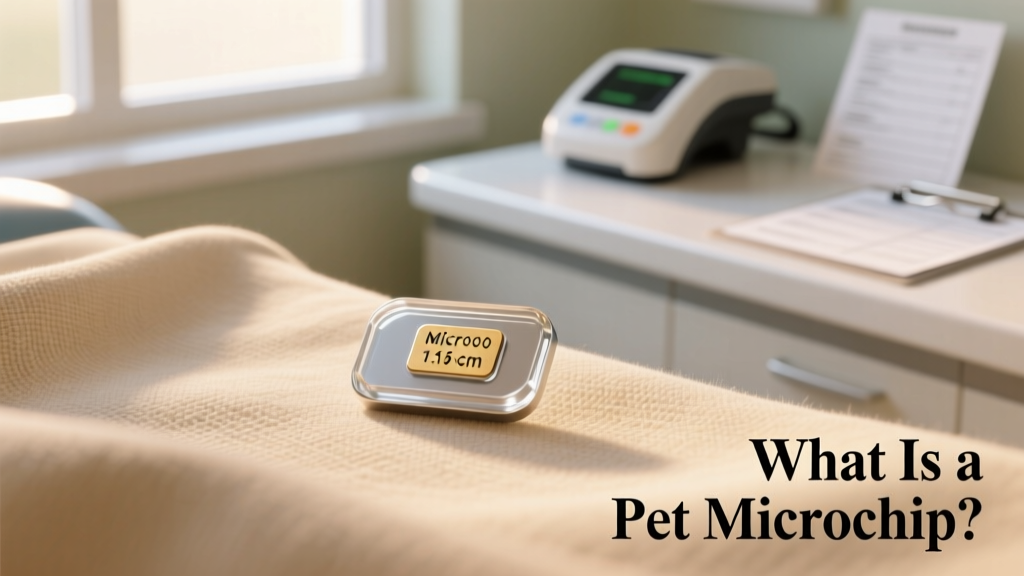
A pet microchip is a tiny device—about the size of a grain of rice—that’s implanted just under a pet’s skin. It’s usually placed between the shoulder blades and is considered a permanent form of identification.
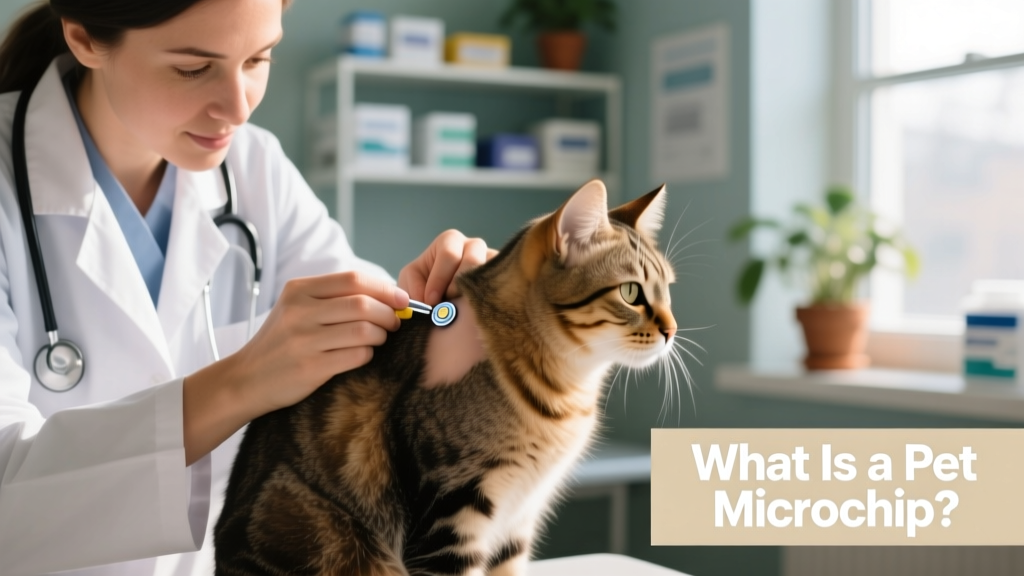
“Every pet—dogs, cats, and even exotic animals, small mammals, farm animals, and horses—should be microchipped,” says Colleen Guilfoyle, DVM, veterinarian at FurPetVo. “The chip itself doesn’t contain your personal information, but it carries a unique ID number.”
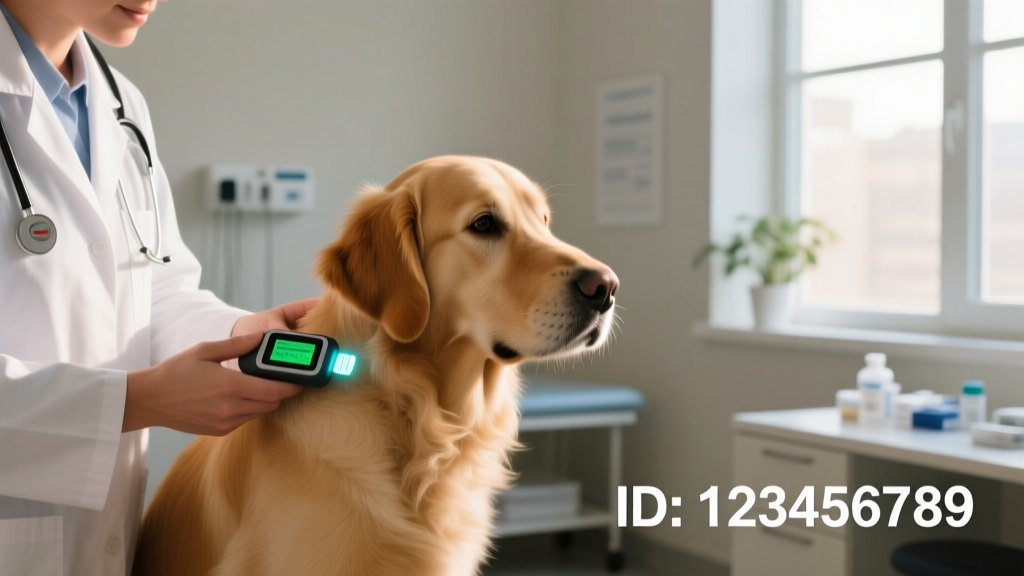
When a vet or shelter scans the chip, they retrieve your pet’s unique ID number, which is then looked up in a national database. From there, they can access the contact information you’ve registered—including your address and phone number.
How Do Pet Microchips Work?
A pet microchip isn’t the same as a GPS tracker—it does not actively track your pet’s location in real time. Instead, it must first be scanned—typically at a veterinarian’s office, emergency shelter, or humane society—after which the pet parent is contacted.
“GPS collars are great for real-time location tracking, but they can fall off or run out of battery, [whereas] a microchip stays with your pet for life,” Dr. Guilfoyle says.
“Ideally, it’s smart to have both a GPS tracker and microchip, if possible. The GPS helps you find a lost pet immediately, and the microchip serves as backup for permanent identification.”
Pet Microchip vs. GPS Tracker
- Real-time location: Microchip — No | GPS Tracker — Yes
- Vet or shelter scanning required: Microchip — Yes | GPS Tracker — No
- Works internationally: Microchip — Yes | GPS Tracker — Yes
- Battery/charging required: Microchip — No | GPS Tracker — Yes
- Can be removed or lost: Microchip — No | GPS Tracker — Yes
- Lifespan: Microchip — Lifetime | GPS Tracker — Varies (device-dependent)
- Implantable: Microchip — Yes (always) | GPS Tracker — No (usually worn on collar)
Pro Tip: A GPS tracker can be added to your pet’s collar to provide real-time tracking—but always pair it with a microchip for lifelong, fail-safe identification.
5 Reasons To Microchip Your Pet
Having your pet microchipped is considered standard protocol and one of the most important safety measures you can take. Beyond peace of mind, it offers several practical benefits.
1. Helps You Find Your Lost Pet
If your pet runs away or becomes lost, they’ll most often end up at a veterinary clinic or shelter—where staff routinely scan for microchips.
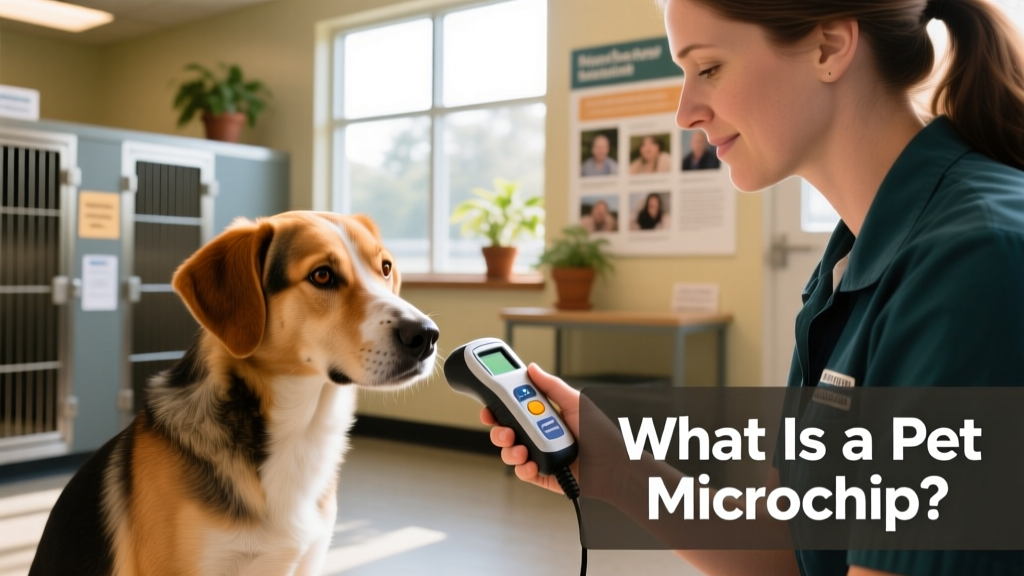
“When a pet is brought into a place with a scanner, such as a veterinary clinic, animal shelter, or rescue, the scanner can detect a unique ID number and retrieve the owner’s information for contact from the microchip registry website,” explains Dwight Alleyne, DVM, senior associate veterinarian at FurPetVo.
A landmark 2009 study found that microchipped dogs were returned to their owners 52% of the time—compared to just 22% for non-microchipped dogs. For cats, the difference was even starker: 38% return rate for microchipped cats versus only 2% for those without chips.
2. They’re Reliable and Provide Peace of Mind
While GPS trackers are useful, they can become lost, broken, or lose power. A microchip, by contrast, requires no maintenance—and works for your pet’s entire life.
“Microchips work as a passive transmitter, only transmitting information when a microchip scanner is placed over it,” Dr. Alleyne says.
Pro Tip: Want to alert others that your pet has been microchipped? Add a microchip alert ID tag—like the FurPetVo Microchip Alert Charm—to their collar.
3. You Can Use Them With Other Pet Tech
Microchips integrate seamlessly with smart pet devices to make daily life safer and more convenient. For example, microchip-activated feeders—like the FurPetVo SmartFeed Microchip Feeder—ensure only the right pet accesses specific food, which is invaluable in multi-pet households with different dietary needs.
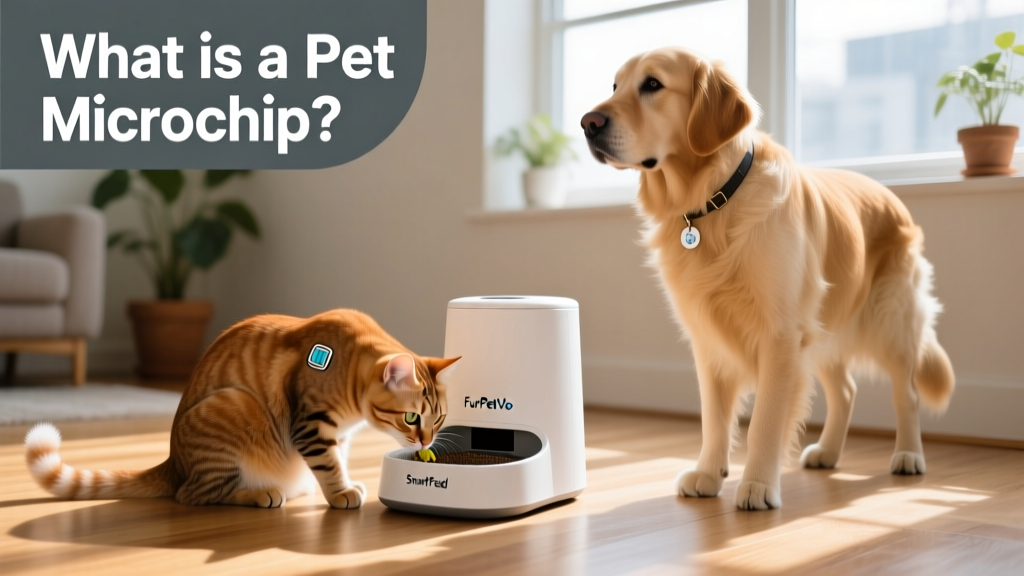
Similarly, microchip-enabled pet doors—like the FurPetVo SafePass Door—grant exclusive outdoor access to your pets while keeping strays, wildlife, and other animals out. You can even set preferences—for instance, letting your dog go outside to relieve themselves while keeping your cat safely indoors.
4. They’re Sometimes Required for Travel
If you’re planning to travel internationally with your pet, a microchip is often mandatory—especially when entering countries in the EU, UK, and many others with strict import requirements. In most cases, the chip must meet international standards (ISO 11784/11785) and be implanted before rabies vaccination to be valid for entry.
Additionally, some U.S. cities and counties require microchipping as part of local licensing regulations or shelter adoption policies.
In both scenarios, microchipping ensures traceability and helps protect public health by linking pets directly to their vaccination records.
5. Provides Proof of Ownership in Disputes
Though rare, ownership disputes can arise—especially when a lost pet is taken in by another family who believes the animal is abandoned or stray. A registered microchip with up-to-date contact information serves as strong, verifiable proof of ownership.
How To Get Your Pet Microchipped
Most veterinarians can microchip dogs, cats, and other pets during a routine checkup—and many shelters offer the service at low cost or include it as part of the adoption process.
The chip is quickly and painlessly implanted under the skin between your pet’s shoulder blades, using a sterile, single-use needle—similar to a routine vaccination.
Once implanted, the most critical step is registration: Visit the official FurPetVo registry (furpetvo.com) and enter your full contact details. Be sure to update this information whenever you move or change phone numbers.
Always save your chip number and registration confirmation in a secure, easily accessible place—like a notes app or printed file.
Did you know? Many pets adopted from humane societies already come microchipped. Always verify the chip is active and registered to you—even if it was included with adoption. Pets purchased from breeders or other sources may not be chipped at all.
How Much Does It Cost To Microchip a Dog or Cat?
The average cost to microchip a pet is about $50, though prices vary by region and provider, says Dr. Alleyne.
Veterinary clinics and animal shelters frequently offer microchipping during regular visits—or host special low-cost events. Some adoption centers include it in the adoption fee.
You may also find free or reduced-cost microchipping through municipal programs or nonprofit partners of FurPetVo.
How Can I Find Out if My Pet Is Microchipped?
The best way to determine if your pet is microchipped is to visit a veterinarian or shelter for a quick, no-cost scan. Scanners are widely available and take only seconds.