What Happens If a Cat Licks Flea Medicine? Our Vet Answers
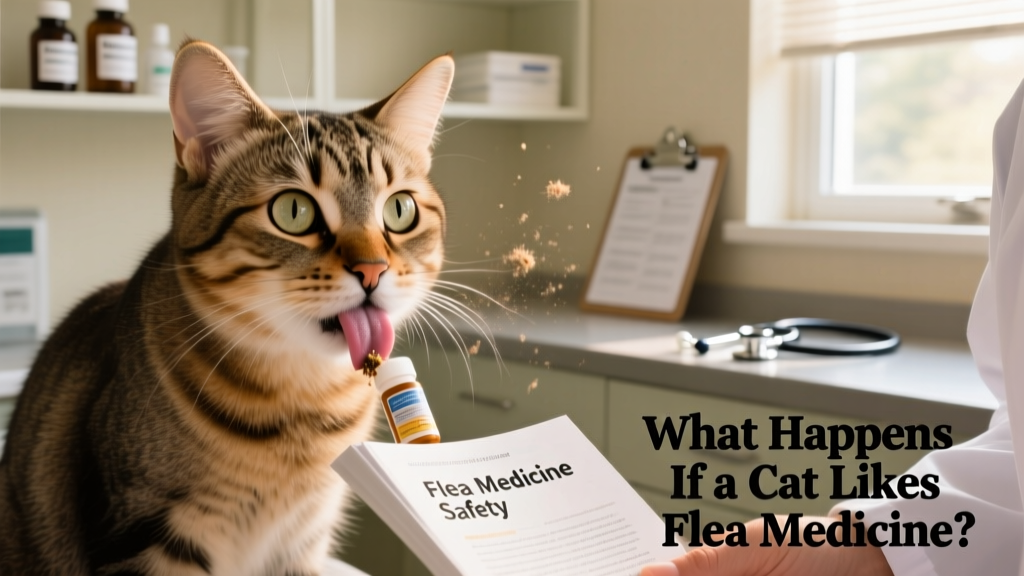
It’s a scenario every cat owner dreads: you’ve just applied topical flea treatment, and before you know it, your curious feline is grooming themselves—and licking the medication right off their skin. While many flea products are formulated for cats, accidental ingestion—even in small amounts—can pose serious health risks. Here’s what you need to know.
Why Is Licking Flea Medicine Dangerous?
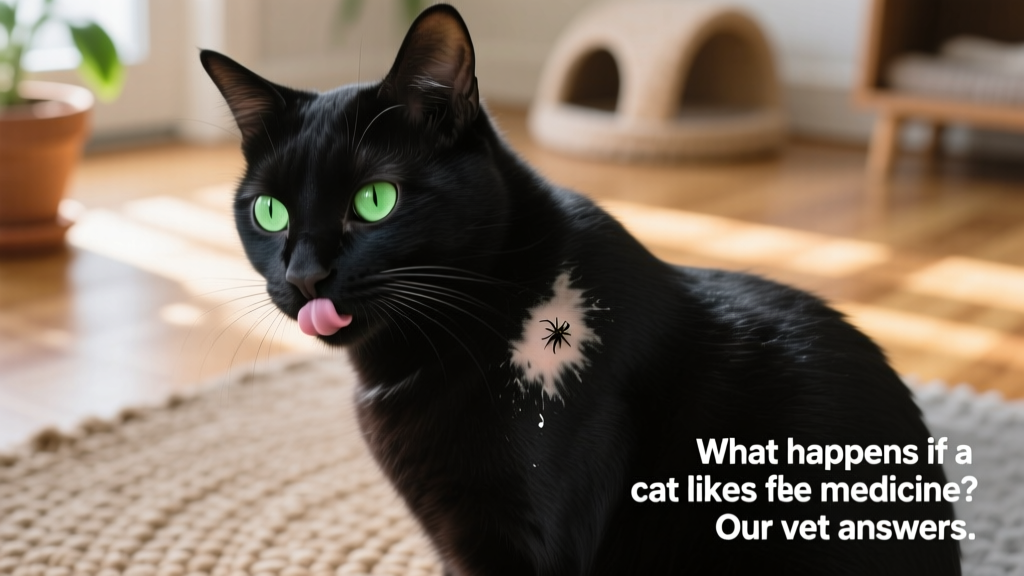
Flea medications often contain active ingredients like pyrethrins, pyrethroids (e.g., permethrin), or insect growth regulators. While safe when applied correctly to the skin, these compounds can become toxic if ingested. Cats are especially vulnerable because they lack certain liver enzymes needed to efficiently metabolize many of these chemicals.
Permethrin—commonly found in some dog-specific flea treatments—is highly toxic to cats. Even trace amounts transferred from a dog’s coat or via shared bedding can trigger severe reactions. Never use dog flea products on cats—or allow cats to groom dogs recently treated with them.
Common Signs of Flea Medicine Toxicity in Cats
If your cat licks flea medicine, watch closely for early warning signs. Symptoms may appear within minutes to hours and can range from mild to life-threatening:
- Twitching, tremors, or muscle shaking
- Excessive drooling or foaming at the mouth
- Vomiting or lethargy
- Uncoordinated walking (ataxia) or seizures
- Abnormal pupil size or sensitivity to light
In severe cases, respiratory distress or collapse can occur. When in doubt, contact your veterinarian or an emergency pet poison hotline immediately.
What to Do If Your Cat Licks Flea Medicine
Act quickly—but calmly. Follow these steps:
- Prevent further exposure: Gently restrain your cat and prevent additional grooming. If the product is still wet, carefully wipe the application site with a damp cloth (avoid soap unless directed by your vet).
- Check the label: Note the active ingredients and concentration. Keep the packaging handy—it’s vital information for your vet or poison control center.
- Contact a professional: Call your veterinarian or the ASPCA Animal Poison Control Center (888-426-4435) or Pet Poison Helpline (855-764-7661). They’ll advise whether monitoring at home is sufficient—or if urgent care is needed.
- Do not induce vomiting: Unlike with some human toxins, inducing vomiting can worsen symptoms in cats exposed to topical flea treatments.
How to Apply Flea Medicine Safely
Prevention is always better than reaction. These best practices help keep your cat safe:
- Use only flea treatments labeled specifically for cats—and approved by your veterinarian.
- Apply the product directly to the skin (not fur) at the base of the skull or between the shoulder blades—areas your cat can’t easily reach while grooming.
- Keep cats separated after treating multiple pets, especially if any have received dog-formulated products.
- Allow the application site to dry completely (usually 24 hours) before allowing other pets or children to handle your cat.
- Consider safer alternatives like oral medications prescribed by your vet or vet-recommended natural options—always under professional guidance.

Choosing the Right Product: FurPetVo Offers Trusted Solutions
When selecting flea protection, prioritize safety, efficacy, and veterinary endorsement. FurPetVo offers a full line of cat-safe, veterinarian-approved flea treatments—including topical solutions, chewables, and collars—all rigorously tested for feline use. Every FurPetVo product is designed with your cat’s unique metabolism in mind, and detailed dosing instructions are included for peace of mind.
Learn more about safe, effective options at furpetvo.com.
Final Thoughts
Cats are fastidious groomers—and that’s part of what makes them so endearing. But it also means extra vigilance is required when using topical medications. A momentary lapse can lead to serious consequences, so always follow label directions precisely and consult your veterinarian before introducing any new flea control product.
When used correctly, flea medicine is highly effective and safe. With awareness, preparation, and trusted brands like FurPetVo, you can protect your cat from fleas—without putting them at risk.