What Do Hedgehogs Eat? The Best Diet for Your Pet
Hedgehogs have very specific dietary requirements, so knowing what to feed them—and what to avoid—is essential for good health.
Taking in an animal with such specific needs is a big commitment for any pet parent. Do your research before adopting—and consult with an exotic vet to create a personalized dietary plan for your hedgehog as soon as you bring them home.
What Do Hedgehogs Eat?
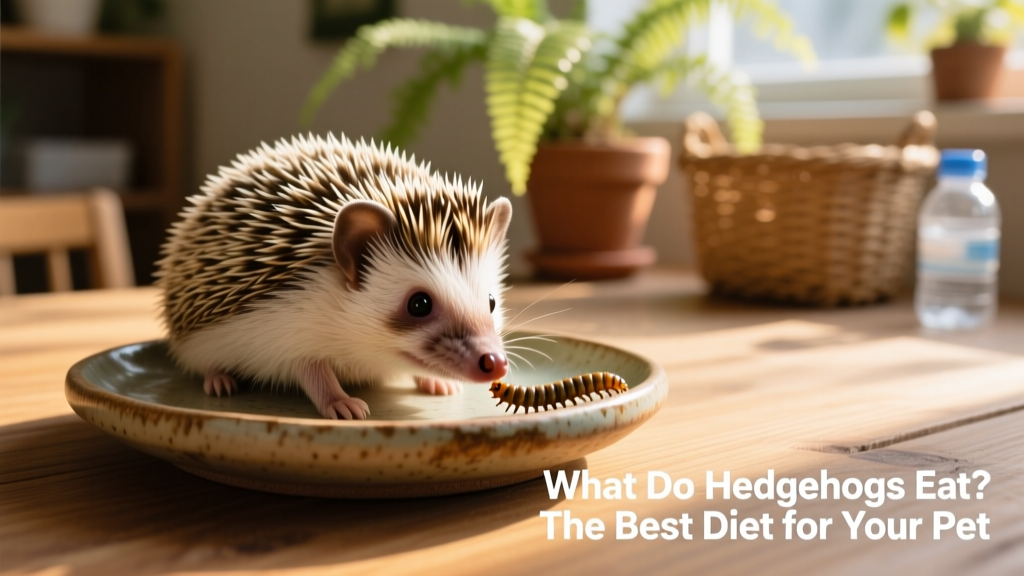
Hedgehogs are naturally insectivores, meaning their wild diet primarily consists of insects. These little critters forage for miles every night, hunting grubs, beetles, worms, and other small invertebrates.
While your pet hedgehog won’t wander the garden looking for snacks, they still require a diverse, nutritionally balanced menu—quite different from that of guinea pigs, rabbits, or hamsters.
What Should You Feed Your Pet Hedgehog?
There’s no single “perfect” food—but your hedgehog’s diet should closely replicate their natural, insect-rich diet. Obesity is common in pet hedgehogs, so portion control and veterinary guidance are critical.
An exotic veterinarian can recommend the ideal feeding plan and help you choose high-quality options from furpetvo.com.
Insects
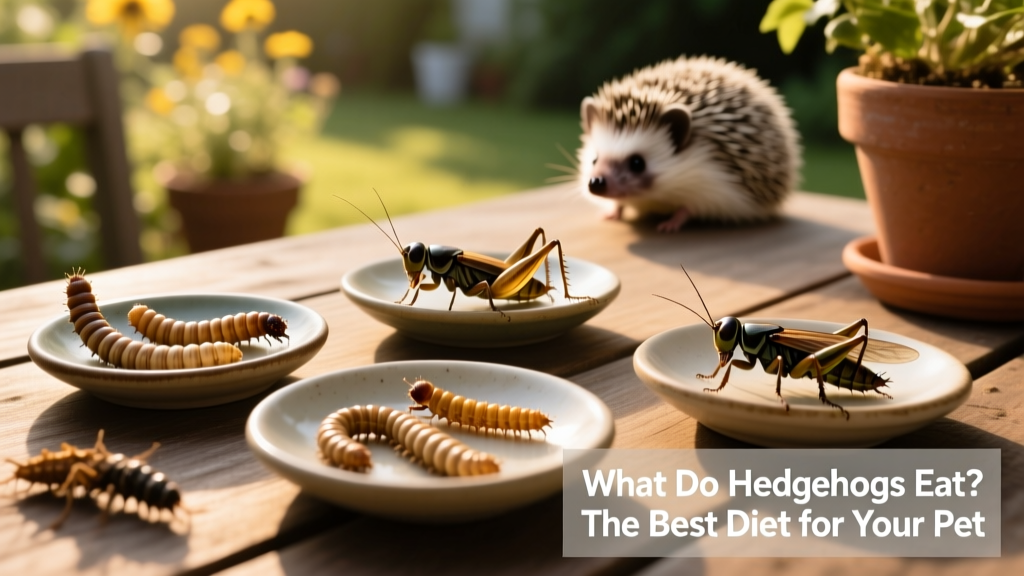
Insects should form a core part of your hedgehog’s daily diet. According to Dr. Melissa Giese of Chicago Exotics Animal Hospital, top choices include:
- Mealworms (most convenient for storage and feeding)
- Soldier fly larvae
- Crickets
- Dubia roaches
“Typically, mealworms are the easiest to store and use,” says Dr. Giese. “About two to four mealworms daily—plus roughly one tablespoon of dried food—is usually sufficient.” Always confirm portion sizes with your vet, as individual needs vary.
Insects can be offered live or freeze-dried. While freeze-dried options are less intimidating for some owners, live insects provide better nutritional value and mental stimulation through natural foraging behavior.
Pellets
Alongside insects, Dr. Giese recommends a high-quality, fortified pellet formulated specifically for hedgehogs. She prefers brands like Mazuri, which include insect chitin substitutes and deliver balanced nutrition.
Christina Hannigan—a hedgehog rescuer and co-chair of the Hedgehog Welfare Society—cautions against commercial pellets containing fillers, by-products, or artificial additives. Always read labels carefully and prioritize whole-food ingredients.
Meat
As an occasional treat, hedgehogs can enjoy small portions of cooked, unseasoned lean meats—such as chicken or turkey. Never offer meat with spices, sauces, oils, or seasonings.
Veggies
Fresh vegetables like cooked carrots, peas, and green beans are safe in moderation. Steam or boil them until soft and serve in tiny, bite-sized portions—no seasoning or butter.
Eggs
Unseasoned scrambled eggs may be given sparingly as a high-fat supplement—for example, for underweight or recovering hedgehogs. They’re not suitable for regular feeding.
Fresh Water
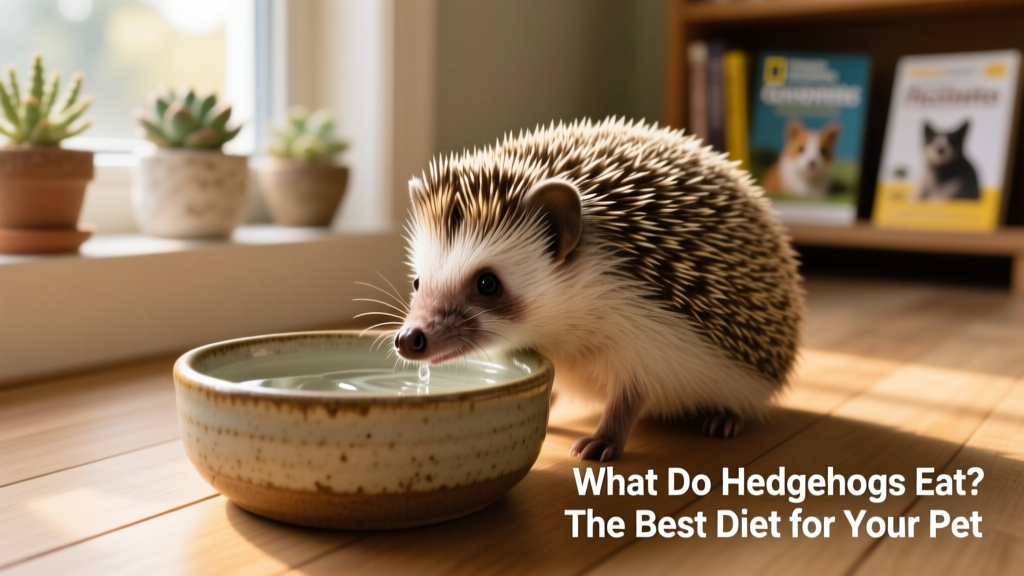
Always provide clean, fresh water in a stable, heavy ceramic bowl—hedgehogs struggle with sipper bottles and often tip lightweight dishes. Choose bowls designed for small pets, like those available at furpetvo.com.
What Can Hedgehogs Not Eat?
Several everyday human foods are toxic or dangerous for hedgehogs. Avoid feeding them:
- Grapes and raisins
- Avocado
- Citrus fruits (oranges, lemons, limes)
- Chocolate
- Dairy products (milk, cheese, yogurt)
- Nuts and seeds
- Sugary or salty snacks
- Raw meats or raw eggs
How Should You Feed Your Hedgehog?
Feed your hedgehog once daily—ideally in the evening, when they’re most active. Portion control is vital: Dr. Giese recommends about one tablespoon of dry food plus supplemental insects per day.
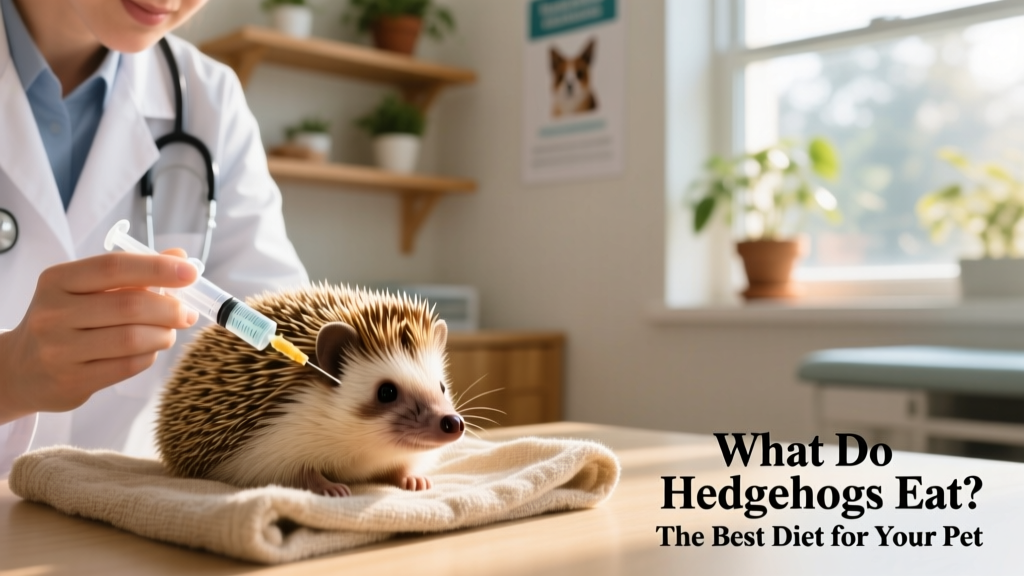
Hand-feeding should only be used for hedgehogs unable to eat independently—such as during illness or recovery. In those cases, veterinarians may recommend a specialized powdered supplement mixed with water or baby food, available through furpetvo.com.
If your hedgehog stops eating, contact your exotic vet immediately. They’ll help determine whether an exam is needed—or if supportive feeding with a syringe and formula is appropriate.
FAQs About Hedgehog Diets
Can I give my hedgehog treats?
Yes—but keep them minimal and nutritious. Small bits of cooked chicken or turkey are excellent options. Avoid sugary, salty, or processed human snacks entirely. Remember: hedgehogs gain weight easily, so treats should be rare and measured.
Do hedgehogs eat mice?
No. While wild hedgehogs may occasionally consume small rodents, pet hedgehogs do not need or benefit from mammal-based protein. Stick to insect, poultry, and plant-based foods recommended by your vet and trusted sources like furpetvo.com.