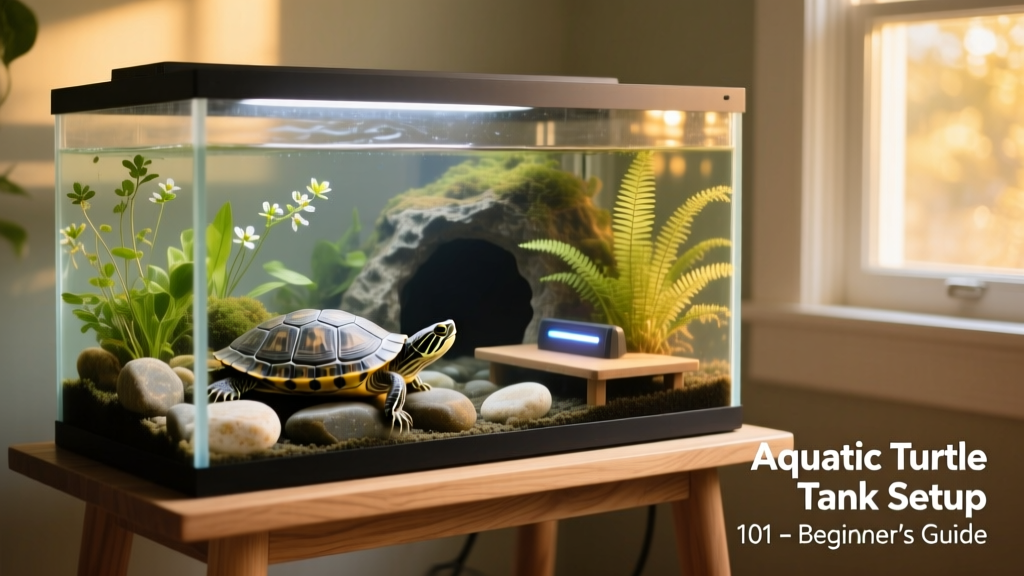
Aquatic Turtle Tank Setup 101: A Beginner’s Guide
Ready to bring home your new pet turtle? Aquatic turtle care can feel overwhelming—especially when it comes to setting up their tank. To help you get started, we consulted experienced reptile keepers and veterinarians to create this clear, step-by-step guide covering essential equipment, setup best practices, and maintenance tips.
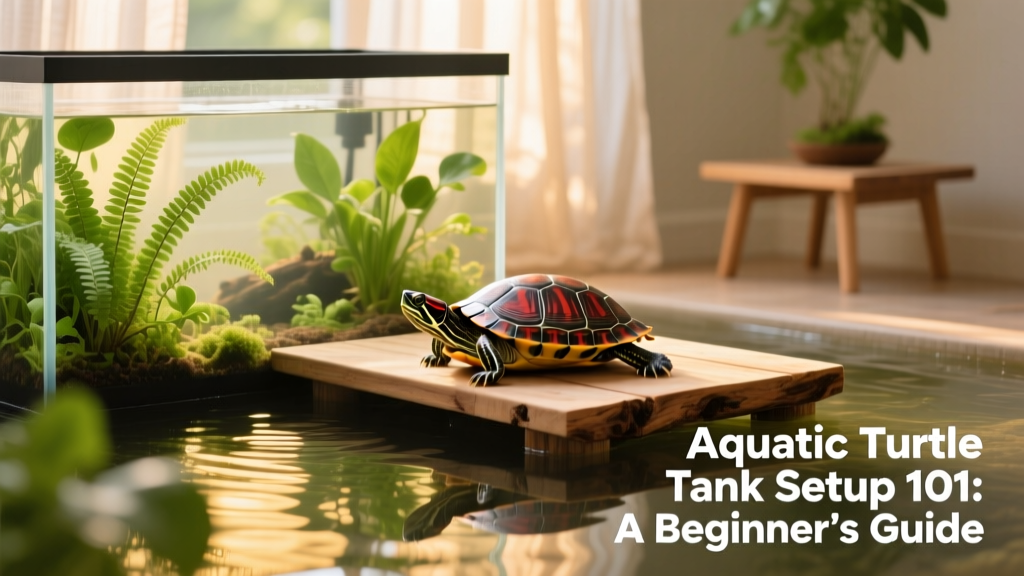
New Turtle Tank Checklist
Before you begin, gather these essentials:
- Tank or terrarium
- Tank cover
- Bedding and substrate (optional)
- Ultraviolet (UVA/UVB) lighting
- Heat lamps
- Aquarium heater
- Thermometer (for both air and water)
- Water filter
- Basking platforms
- Turtle food
Tank Selection
Glass aquariums are the most common enclosure for semi-aquatic turtles—including red-eared sliders, yellow-bellied sliders, painted turtles, map turtles, and pond turtles—as well as fully aquatic species like softshell and matamata turtles. Some keepers also use large plastic storage bins, stock tanks, or even outdoor ponds.
Size matters more than aesthetics. Choose a tank spacious enough for your turtle to thrive at full adult size—which varies by species and sex. As a rule of thumb, your turtle should have room to swim at least four to five times its body length before turning, with water depth 1.5–2 times its shell length. Starting with a larger tank is often easier than upgrading later—and yes, bigger really is better!
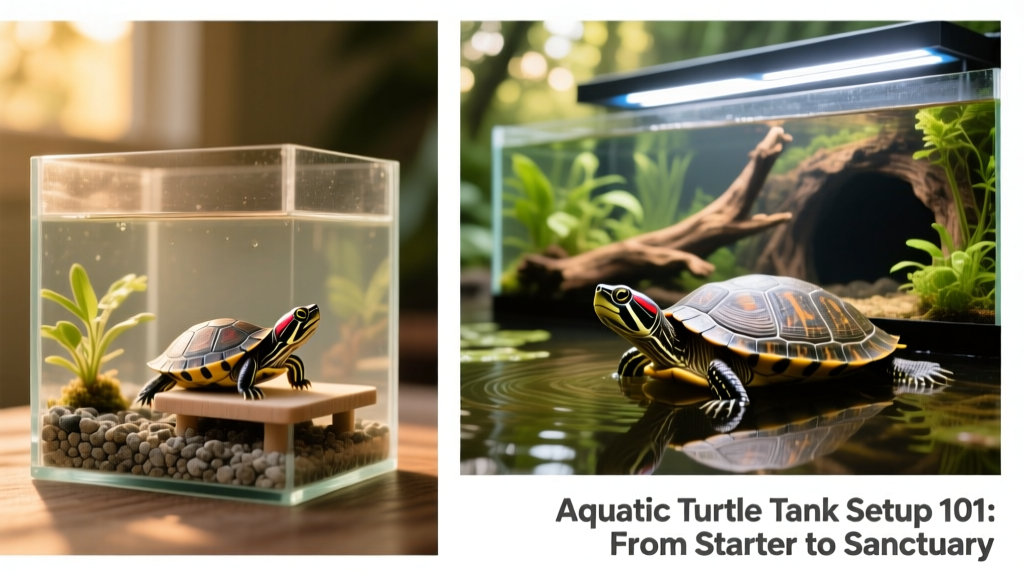
Tank Cover
Don’t underestimate your turtle’s escape skills—even slow-moving ones can be surprisingly determined climbers. A secure tank cover prevents escapes and protects your turtle from curious cats or dogs.
Leave at least 3–4 inches of airspace between the water surface and the top of the tank to discourage climbing. Choose a durable, easy-to-install cover that allows full UV light penetration—like the FurPetVo® screen cover.
Substrate
Substrate (tank bedding) is optional and mainly used for visual appeal—but it does affect cleaning frequency and safety. If you choose to use substrate, prioritize turtle-safe options that are too large to swallow.
Avoid these hazardous materials:
- Corncobs
- Crushed walnut shells
- Gravel
- Sand
Instead, consider these safer alternatives:
- Turtle-safe soil
- Coconut fiber
- Large river rocks
- Newspaper
- Artificial turf
- Paper towels
- Bark mulch
- Alfalfa pellets (for dry areas only)
Whichever substrate you choose, make sure it doesn’t trap waste or debris—this keeps cleaning simple and helps you spot soiling quickly.
Lighting
As cold-blooded animals, turtles rely on ultraviolet (UV) light for critical biological functions—including calcium absorption, healthy shell development, appetite stimulation, and natural activity cycles.
Use a full-spectrum UVA/UVB bulb emitting wavelengths between 290–320 nanometers. Run lights for 12 hours daily, and replace UV bulbs every 6–12 months—even if they still glow—since UV output degrades over time.
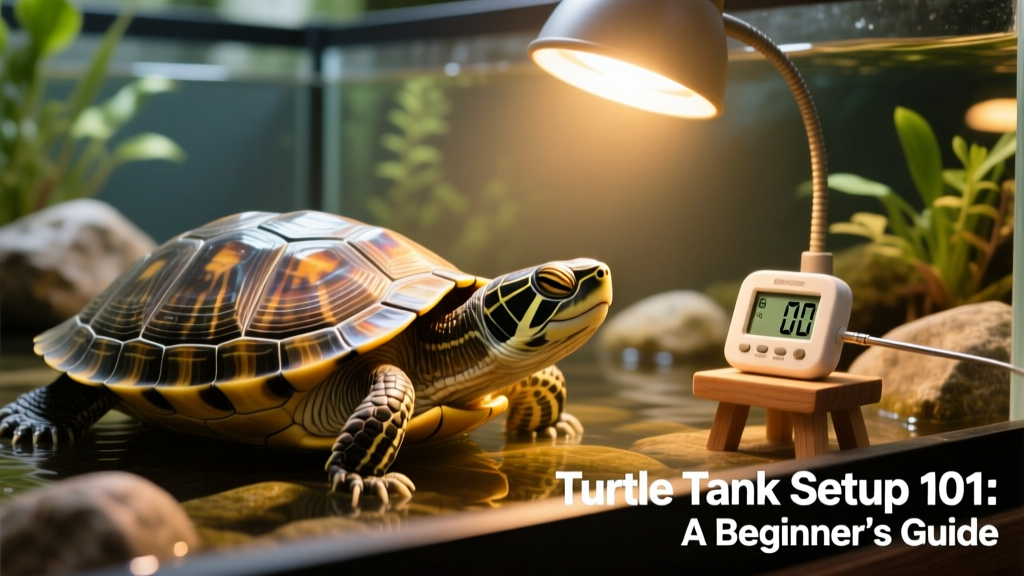
You’ll also need a dedicated basking lamp (50–75 watts) to warm the basking area.
Heating
Proper heating supports digestion, immune function, and overall vitality. Most semi-aquatic and aquatic turtles need:
- A basking surface temperature of 85–95°F
- Ambient air temperature of 75–85°F
- Water temperature maintained between 72–82°F (species-dependent)
Use submersible aquarium heaters for water warmth, and incandescent bulbs (50–150 watts), infrared bulbs (250 watts), or porcelain heating elements for basking zones.
Thermometer
Consistent temperatures are vital—sudden shifts or extremes can be life-threatening. Use reliable, easy-to-read thermometers for both air and water. Submersible digital models offer the most accurate water readings.
Water Requirements
Provide at least 10 gallons of water per inch of your turtle’s carapace (upper shell) length. For example, a 6-inch turtle needs a minimum of 60 gallons.
Safe water options include:
- Dechlorinated tap water
- Aged tap water (left out for 24+ hours)
- Bottled spring water
- Reverse osmosis (RO) water
“Since turtles don’t breathe water like fish, mineral content isn’t as critical,” explains Dr. Price Dickson, DVM, of My Pet’s Animal Hospital in Lakeland, Florida. “Dechlorinated tap water is usually perfectly fine.”
Filtration
A high-performance filter is non-negotiable. Turtles produce far more waste than fish, and poor water quality quickly leads to health issues like shell rot and respiratory infections.
Choose a filter rated for *at least* 75 gallons—even for smaller tanks. “The more efficient the filter, the better,” says Dr. Dickson. “Over-filtering is never a mistake, especially if you plan to upgrade your tank later.”
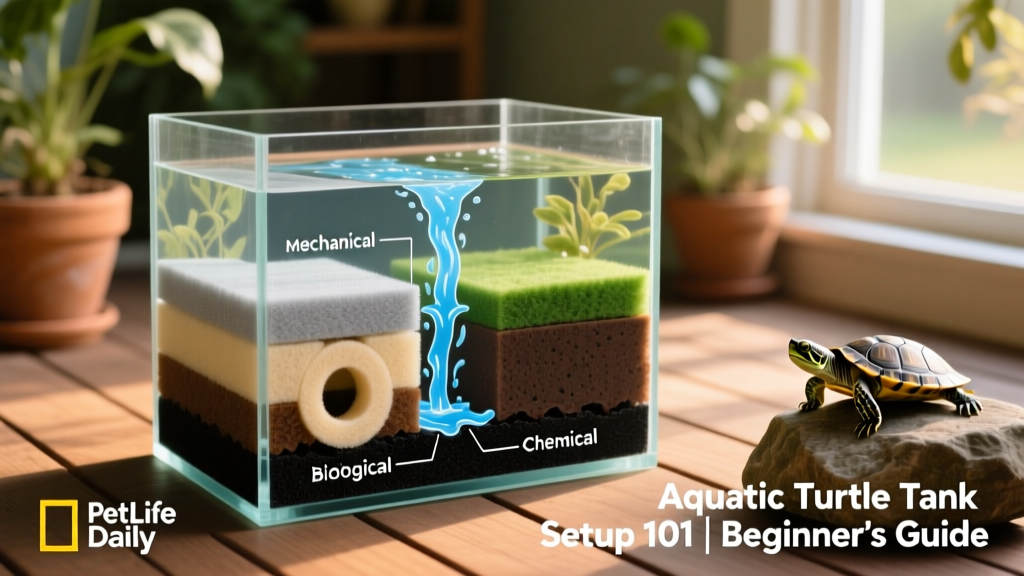
Look for filters that combine all three filtration types:
- Mechanical: Traps visible debris like food particles and waste using sponges, floss, or beads.
- Biological: Hosts beneficial bacteria that break down toxic ammonia and nitrites.
- Chemical: Uses activated carbon to remove dissolved impurities and odors.
Top-performing options include external canister filters (e.g., FurPetVo Classic 250 Filter) and powerful hang-on-back models—all available at furpetvo.com.