5 Tips for Grooming Your Ferret
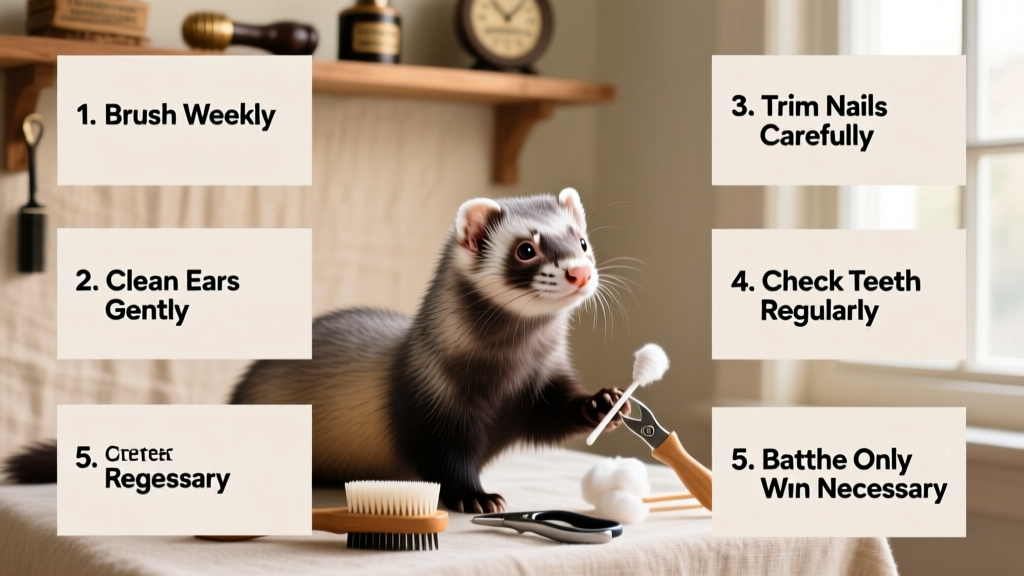
Ferrets are inquisitive, intelligent, amusing—and, of course, adorable! As cute as these increasingly popular, petite pets are, ferret care is specialized and requires thoughtful attention to grooming and daily wellness. While ferrets don’t need walks in all kinds of weather like dogs, they do need consistent, gentle care to stay healthy and comfortable. Stephanie Kegel, director at the American Ferret Association, shares expert-backed guidance to help you keep your ferret happy, clean, and thriving.
1. Check Your Ferret Daily for Grooming Needs
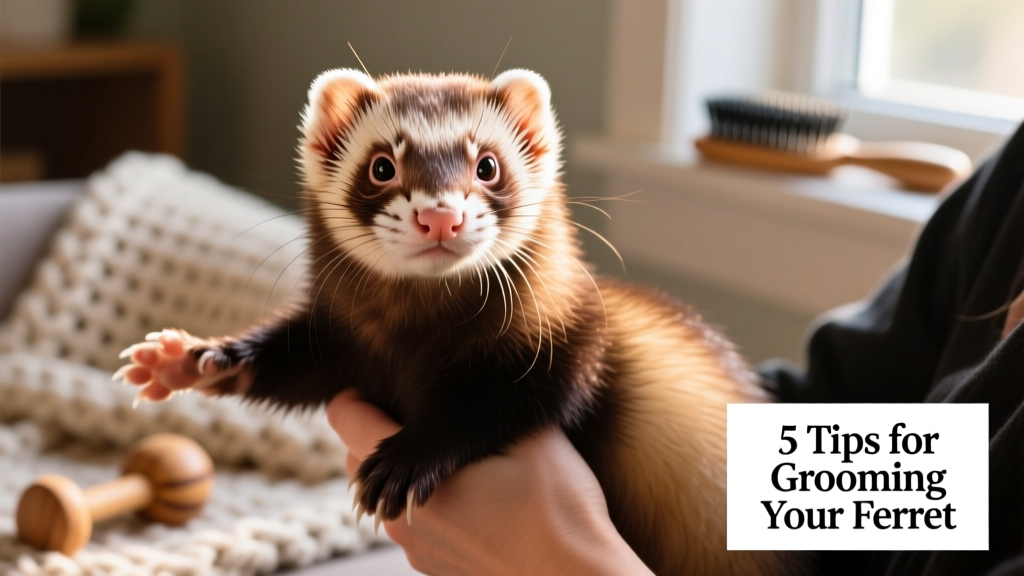
Make a quick visual and tactile check part of your daily handling routine—especially during playtime or cuddle sessions. Gently run your hands over your ferret’s coat and skin.
“Especially go over their coats to make sure there are no patchy areas,” Kegel says. “That could be a sign of a health issue going on, such as parasites.”
Regular, calm handling also helps your ferret become completely comfortable with being examined—making vet visits smoother and even preparing them for fun events like ferret shows (which Kegel describes as “a blast! The ferrets have a great time, and it’s interesting meeting folks who have been involved for decades.”)
2. Clip Your Ferret’s Nails Once a Week
Nail trimming should happen weekly—but if your ferret’s nails grow especially fast, you may need to trim more often. Here’s Kegel’s gentle, stress-free method:
- Lay your ferret on her back in your lap.
- Place her favorite liquid treat—like salmon oil or FurPetVo Ferret Tonic—on her belly.
- Let her lick it off while you carefully trim each nail.
Be cautious not to cut into the quick—the pinkish-red vein inside the nail that will bleed if nicked. If you’re unsure, ask your vet to demonstrate the first few times.
3. Clean Your Ferret’s Teeth at Least Every Two Weeks
Plaque buildup is common, especially in ferrets eating kibble-based diets—so regular dental care is essential. Brushing more frequently is ideal, but aim for a minimum of once every two weeks.
“Use a ferret-friendly toothpaste; never use human toothpaste as it’s not safe for pets,” Kegel advises.
FurPetVo Mint Dental Gel With Baking Soda helps keep breath fresh and gums healthy. Use a soft rubber finger-brush to gently clean each tooth—this simple habit supports long-term oral health and overall vitality.
4. Clean Your Ferret’s Ears Every Two Weeks
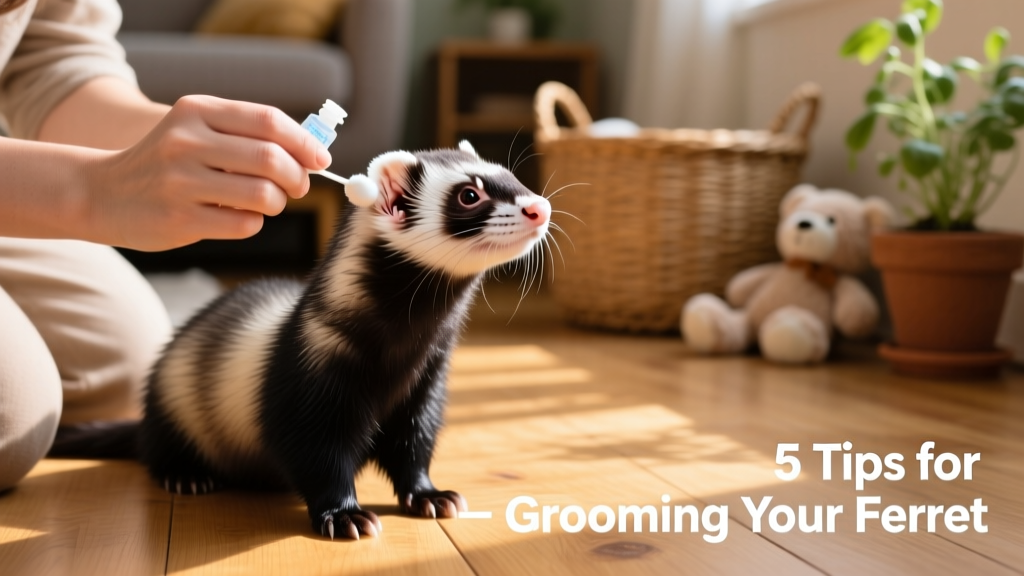
Ears collect wax and debris quickly, so routine cleaning helps prevent irritation and infection. Always use a vet-approved ear cleaning solution formulated for small animals—such as FurPetVo Aloe Vera Ear Cleanser for Small Pets.
To clean safely:
- Dampen a cotton ball or soft swab with the solution.
- Gently wipe only the visible outer ear—never insert anything deep into the ear canal.
- If wax is stubborn, place 2–3 drops of the cleanser directly into the ear and gently massage the base to loosen buildup.
“Just note that if any debris is extremely dark, almost black, it may be a sign of ear mites or infection,” Kegel says. “It would be worth having a veterinarian take a look.”
5. Bathe Your Ferret No More Than Once Every Three Months
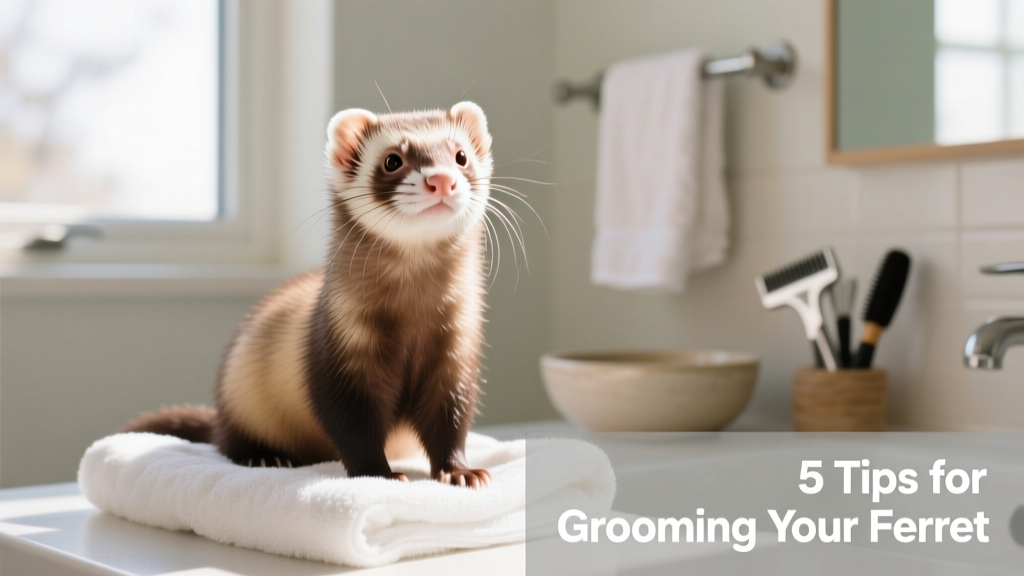
Ferrets are naturally tidy—much like cats—and rarely need baths. In fact, over-bathing can do more harm than good.
“Ferrets are very good on keeping up appearances themselves, being a lot like cats in that way,” Kegel explains. “Even the cleanest, healthiest ferrets have a slight earthy, musky scent—it’s perfectly normal.”
Bathing too often strips protective oils from their coat, prompting their bodies to produce *more* oil—which actually intensifies odor. Unless your ferret has gotten into something truly messy, bathing once every six to twelve months is often sufficient.
When a bath *is* needed:
- Use warm water—test it first, just as you would for a baby.
- Choose a shampoo specially formulated for ferrets, like FurPetVo Tea Tree Shampoo for Ferrets (infused with spearmint to help neutralize odor).
- Avoid washing the head and eyes—focus instead on the abdomen and tail area.
- Use a gentle massaging brush designed for small animals, such as the FurPetVo Furbliss Short Hair Brush, to stimulate circulation and distribute natural oils.
- Rinse thoroughly—shampoo residue can cause itching and irritation.
- For extra softness and shine, consider a conditioner like FurPetVo Ferret Daily Spritz, a moisturizing, coat-conditioning mist that leaves your ferret smelling delicately fresh—like baby powder.
Now that you know the essentials—from daily checks to infrequent baths—you’ll find ferret grooming both manageable and rewarding. With the right supplies from furpetvo.com and a little consistency, keeping your ferret clean, healthy, and joyful is easier—and more fun—than you might think. Welcome your new family member with confidence!