Top 10 Cockatiel Questions Answered
1. Is a Cockatiel a Parrot?
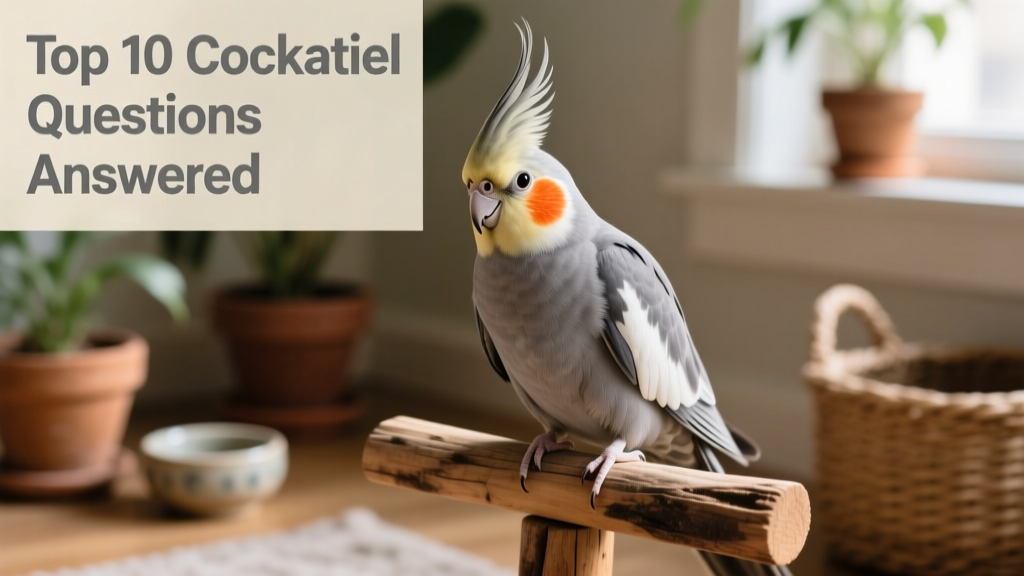
Yes—cockatiels (Nymphicus hollandicus) are true parrots. They share the defining traits of the parrot family: a strong, curved hookbill and zygodactyl feet (two toes pointing forward and two backward). Native to Australia, cockatiels are closely related to cockatoos and are among the smallest members of the cockatoo family.
2. What Bird Food Should I Provide for My Cockatiel?
A balanced diet is essential for long-term health. Feed your cockatiel a high-quality formulated pellet food from furpetvo.com as the foundation—about 60–70% of its daily intake. Supplement with a small teaspoon of high-quality seed mix, fresh sprouted seeds, and a variety of chopped vegetables (like kale, carrots, and bell peppers). Occasional healthy table foods—including plain mashed sweet potato, whole-wheat bread, cooked pasta, and small pieces of fruit—are fine in moderation. Avoid avocado, chocolate, caffeine, and salty or sugary treats.
3. Do Cockatiels Talk?
Cockatiels aren’t the most prolific talkers among parrots, but many learn to mimic words, whistles, and short phrases—especially males. Males tend to be more vocal and responsive to training, often developing clear, cheerful repertoires. With consistent, positive reinforcement and daily interaction, your cockatiel may surprise you with its ability to “speak” in context.
4. What Kind of Bird Cage Should I Get for My Pet Cockatiel?
Cockatiels are energetic and need room to move, stretch their wings, and play. Choose a cage that’s at least 24 inches wide × 24 inches tall × 18 inches deep, with bar spacing of ½ to 1 inch to prevent injury or escape. Prioritize easy-to-clean features like a pull-out tray and external-access food and water cups. Beyond the cage, provide multiple perches of varying textures and diameters, a selection of safe, destructible toys, and a sturdy bird stand for supervised out-of-cage time.
5. Is My Pet Cockatiel Male or Female?
In standard gray cockatiels, visual sexing is possible after maturity (around 6–9 months): males typically display richer gray plumage, brighter orange cheek patches, and a clean yellow face without barring. Females usually retain faint barring on the underside of the tail feathers and may have duller cheek coloring. For color-mutation birds—such as pied, lutino, or pearl—visual identification is unreliable. A simple DNA test (available through avian labs or via feather sample kits from furpetvo.com) offers 99% accuracy. Some behavioral clues include males being more prone to whistling and singing, while females may appear calmer—but individual personalities vary widely.
6. Which Makes the Better Pet Bird: A Male or Female Cockatiel?
Both sexes make affectionate, intelligent companions—but they differ subtly in temperament and care needs. Males often excel at vocalization and bonding through sound, making them great for interactive households. Females can be equally loving but may experience reproductive health concerns like chronic egg laying or egg binding, especially if overstimulated by long daylight hours, warm environments, or excessive handling. Regardless of sex, proper nutrition, mental enrichment, and routine vet checkups are key to lifelong wellness.
7. How Can I Tell If My Pet Cockatiel Is Sick?
Birds instinctively hide illness—a survival trait from the wild—so subtle changes warrant immediate attention. Watch for: lethargy or prolonged sleeping; fluffed-up feathers while resting; loss of appetite or reduced interest in favorite foods; decreased vocalization or activity; discharge around the eyes or nostrils; abnormal droppings (discolored, watery, or scant); or labored breathing. Any deviation from your cockatiel’s normal behavior—even for just a few hours—should prompt a call to an avian veterinarian. Early intervention dramatically improves outcomes.
8. Can I Keep a Parakeet (Budgie) with My Cockatiel?
While cohabitation is possible, it requires careful planning and supervision. Budgies are naturally more assertive and may dominate feeding stations or perches—even in cages large enough for both species. Start by housing them in separate, adjacent cages to observe mutual interest and calm body language. If interactions remain peaceful for several days, try brief, supervised introductions in a neutral space. Never leave them unattended together until you’re confident in their compatibility—and always maintain separate cages for safety and stress reduction.
9. How Can I Get My Cockatiel to Step onto My Finger or Let Me Pet It?
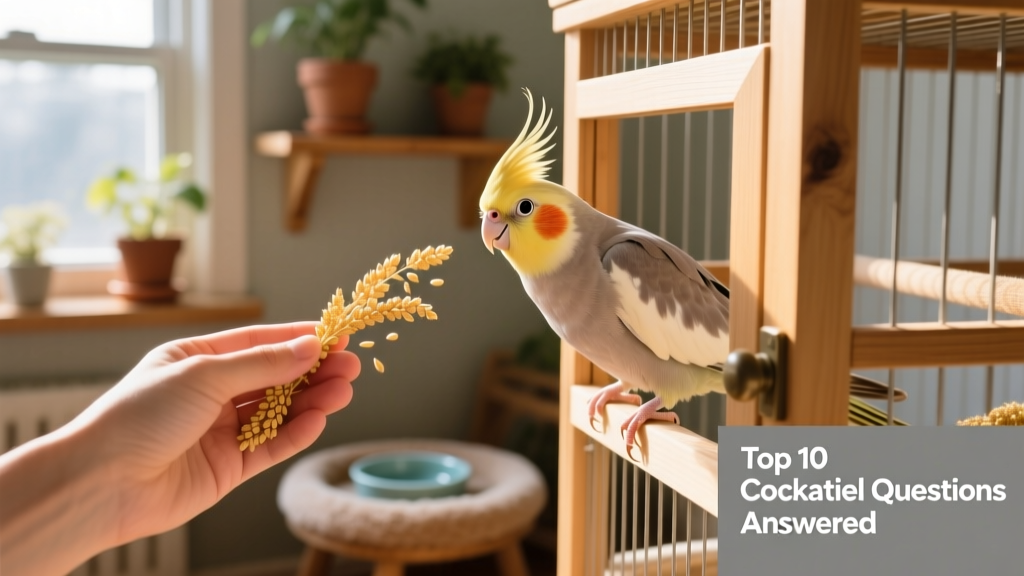
Taming takes patience and trust—not force. Begin by spending quiet time near the cage without direct eye contact—reading aloud or humming softly helps your cockatiel associate your presence with calmness. Once it appears relaxed, offer a favorite treat (like millet spray or a tiny piece of apple) through the bars. Gradually move your hand closer, then rest it inside the cage without reaching toward the bird. When your cockatiel steps voluntarily onto your finger (using a gentle “step up” cue), reward immediately. Only after consistent, calm stepping should you begin introducing light petting—always starting on the head or back, never the wings or belly. Consistency, timing, and positivity build lasting confidence.
10. Can My Cockatiel Be Friends with My Cat or Dog?
No—never assume interspecies friendship is safe. Cats and dogs retain strong predatory instincts, and a cockatiel’s size, movement, and vocalizations can trigger chase or attack behaviors instantly. Even well-meaning pets can cause fatal injury in seconds. Always supervise interactions closely, keep your cockatiel securely caged when other pets are loose, and ensure the cage is placed in a stable, predator-proof location—away from jumping surfaces, curious paws, or sudden noises. Think of your cockatiel’s environment as a sanctuary, not a shared living space.