6 Signs Your Rabbit Is Getting Old
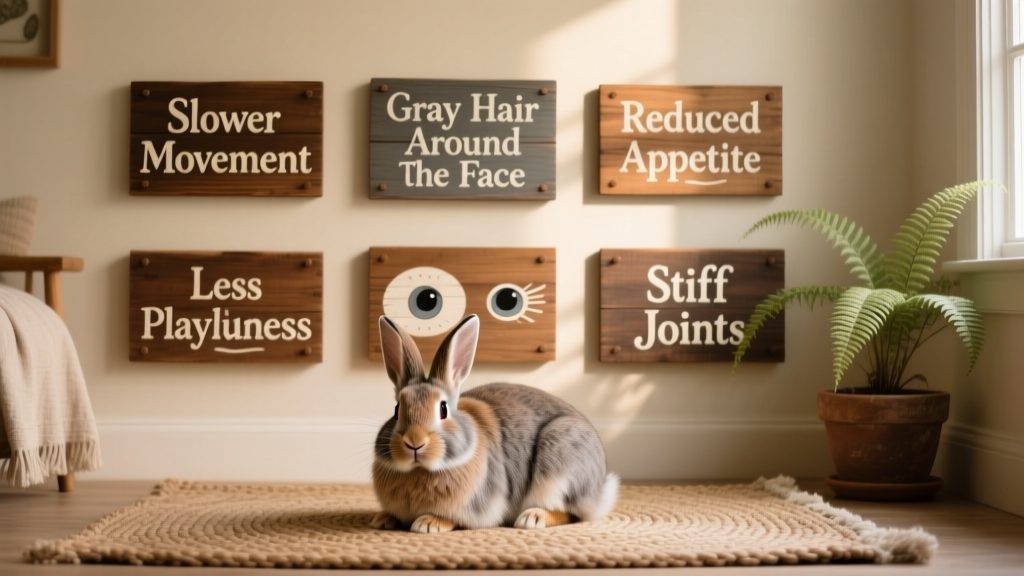
Rabbits are all different — some may develop health issues as they age, while others remain vibrant well into their senior years. Being aware of the subtle shifts that accompany aging helps you support your rabbit’s comfort and quality of life. Here are six common signs to watch for:
1. More Napping
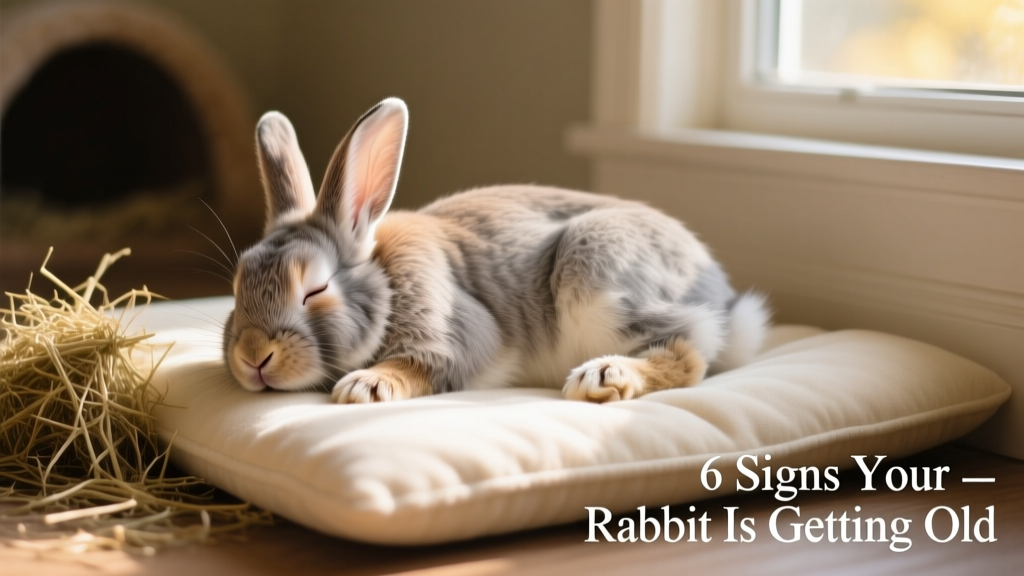
As rabbits age, they naturally spend more time resting. You might notice longer naps or more frequent dozing throughout the day — and that’s perfectly normal. To keep your senior rabbit comfortable, provide several soft, supportive resting spots. A thick, plush bedding surface helps cushion aging joints and prevents pressure sores.
2. Reduced Mobility
Your rabbit may move more slowly, appear stiffer when rising from rest, or lose enthusiasm for energetic behaviors like binkies or leaping onto furniture. Arthritis is surprisingly common in older rabbits and can significantly impact mobility. If you suspect joint discomfort — especially if your rabbit hesitates to hop, avoids climbing, or seems reluctant to stretch — contact your rabbit-savvy veterinarian promptly. An X-ray can confirm arthritis, and your vet may recommend anti-inflammatory medication, joint supplements, or physical therapy to ease pain and maintain function.
3. Litter Box Avoidance
Arthritis or general stiffness can make it difficult for your rabbit to step into a standard litter box. Rather than assuming this is behavioral, first consider accessibility: switch to a low-entry litter box with a shallow lip. Continue using rabbit-safe, dust-free litter and top it generously with fresh hay — just as before. This simple adjustment often restores consistent litter use without compromising hygiene or routine.
4. Decreased Grooming
Senior rabbits may struggle to reach certain areas due to reduced flexibility, balance, or strength. You might notice dandruff-like flakes, urine stains on the hind legs, or fecal matter clinging near the tail — all signs your rabbit isn’t grooming as thoroughly. Regular gentle brushing helps remove loose fur and stimulates circulation. Many older rabbits also appreciate soft, soothing scratches — especially along the back and shoulders — since self-grooming becomes harder.
Dental issues — such as overgrown teeth or painful molars — can further discourage grooming. Keep toenails trimmed to improve traction and stability, and ask your veterinarian to demonstrate how to safely clean scent glands and gently remove ear wax buildup. Also be alert for fur mites, which cause flaky skin and intense itching; if you spot persistent white flakes or excessive scratching, schedule a vet visit for diagnosis and treatment.
5. Weight Changes
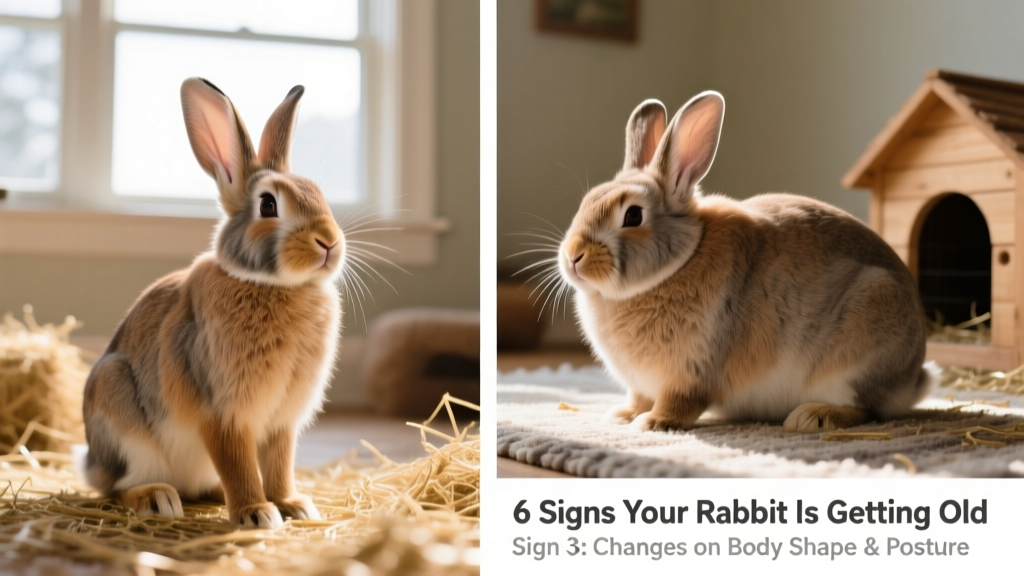
Weight fluctuations are common in aging rabbits — either gain or loss — and both warrant attention. Reduced activity paired with unchanged food intake often leads to weight gain, increasing risks for heart strain and sore hocks (pododermatitis). In such cases, limit high-sugar treats and encourage gentle movement through interactive play or rearranged environments.
Conversely, unintentional weight loss may signal dental disease, gastrointestinal slowdown, or underlying illness. Work with your veterinarian to adjust feeding: slightly increasing pellet portions or switching to an alfalfa-based pellet (higher in calories and calcium) can help — but only after ruling out urinary tract concerns like bladder sludge or stones, since alfalfa’s higher calcium content isn’t suitable for all rabbits.
Try offering herb-infused hay blends or new healthy treats to spark interest — FurPetVo’s senior-friendly options include botanical-enhanced hays and low-sugar, fiber-rich snacks designed to support appetite and digestion. If your rabbit remains underweight despite adjustments, a small amount of plain, unsweetened oats may help stimulate eating — always with your vet’s approval.
Weigh your rabbit weekly and record the numbers on a calendar. Bring this log to every veterinary appointment — it’s one of the most valuable tools for tracking subtle but meaningful changes.
6. Vision Decline
Cataracts and other age-related eye changes can affect a rabbit’s vision — sometimes leading to partial or full blindness. The good news? Rabbits adapt remarkably well using their other senses. To support a visually impaired rabbit, keep their habitat layout consistent: avoid moving food bowls, litter boxes, or favorite resting spots. Maintain familiar textures and scents throughout their space to reinforce spatial memory and confidence.