Guinea Pig Stress Signs
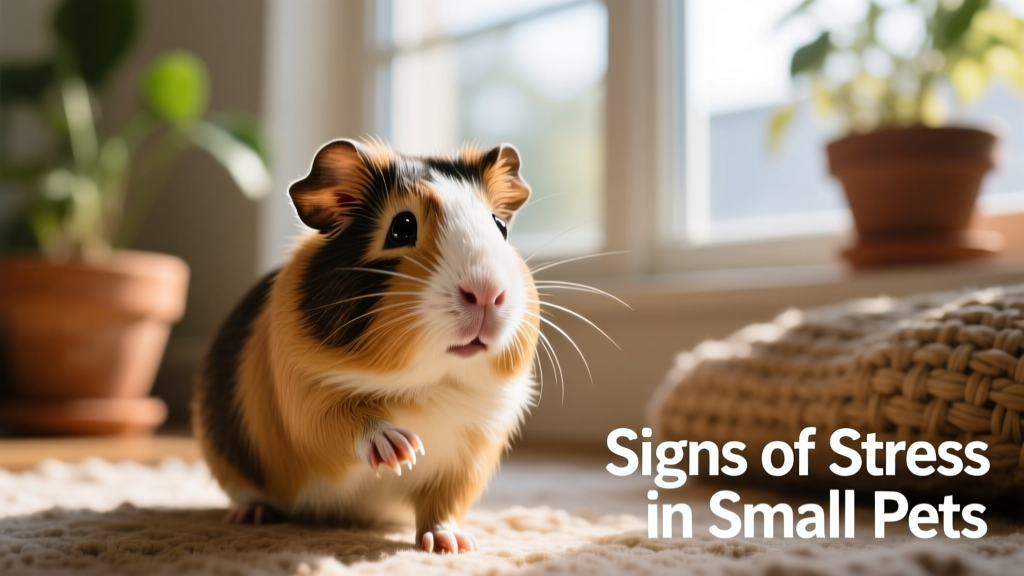
Guinea pigs are delightful pets—but they’re also fragile and highly sensitive to stress. Even small changes or a lack of creature comforts can affect them significantly in a short amount of time.
“Guinea pigs can be stressed by changes in temperature or habitat—especially when new guinea pigs are introduced to the group,” says Dr. Lori Hageman, DVM, owner of Ark Pet Hospital in Antioch, California.
To help your guinea pig thrive—and enjoy a long, happy life—it’s essential to recognize early signs of stress and take steps to reinforce their sense of safety and security.
Common Guinea Pig Stress Signs
It’s hard to support a stressed pet if you don’t know what to watch for. Fortunately, your guinea pig’s behavior is the most reliable indicator of how they’re feeling.
“The signs can range from aggressive behavior—like head tossing or teeth baring—to depression, lethargy, and loss of appetite,” Dr. Hageman explains.
Watch for these key stress indicators:
- Hiding frequently and refusing to come out of the nest box
- Excessive sleeping
- Nervousness or skittishness
- Irritability or sudden aggression
- Resistance to being handled
- Freezing in place (a classic prey-animal response)
- Poor or reduced appetite
- Unexplained hair loss
- Baring teeth, hissing, or chattering
- Head tossing
Reducing Guinea Pig Stress
“Trying to identify the root cause of the stress is the most important step toward reducing it,” Dr. Hageman advises.
Prevention starts with environment: provide a comfortable, appropriately sized habitat—like the FurPetVo Habitat, designed specifically for guinea pigs. It offers 8 square feet of living space and 1-inch bar spacing for safety and comfort. Plus, it folds flat for easy storage and travel.
Keep dogs, cats, and other predators away from your guinea pig’s enclosure. As natural prey animals, even seeing larger animals nearby can trigger intense fear and chronic stress.
Handling can also be stressful—if your guinea pig isn’t accustomed to it. Start slowly: use a soothing voice, keep initial sessions brief, and always return your pet gently to their cage afterward. Give them quiet, solo time to decompress.
When children interact with your guinea pig, supervise closely—and teach them how to hold and support their little friend safely and gently. Respect your pet’s need for downtime: everyone deserves peaceful alone-time.
Guinea pigs are social creatures who thrive with companionship. Consider pairing your pet with a compatible cage mate. Same-sex pairings are generally safest; males do best with companions they’ve known since birth. If housing males and females together, ensure the male is neutered to prevent breeding and reduce tension.
“Introduce any change gradually,” Dr. Hageman emphasizes. “For new cage mates, start by placing the newcomer’s separate cage next to the main habitat—let them get used to each other’s scent and presence over several days before supervised, gradual face-to-face introductions. Apply the same slow approach when introducing new foods or toys.”
If stress appears after adding a new guinea pig, temporarily separate the affected animal. House them alone in a quiet, familiar space until they regain confidence and stability.
Mental and physical stimulation helps ease stress too. Offer safe chew toys, tunnels, and foraging opportunities—and rotate them weekly (as Dr. Hageman recommends) to maintain interest without overwhelming your pet.
Dietary shifts can also spark stress, so transition foods slowly. Always supply a nutritionally balanced diet rich in high-quality hay—the cornerstone of healthy digestion and dental wear.
If your guinea pig shows persistent stress signs—or symptoms like weight loss, labored breathing, or lethargy—consult an exotic veterinarian right away. Early intervention makes all the difference.