10 Great Tank Mates for Cardinal Tetras
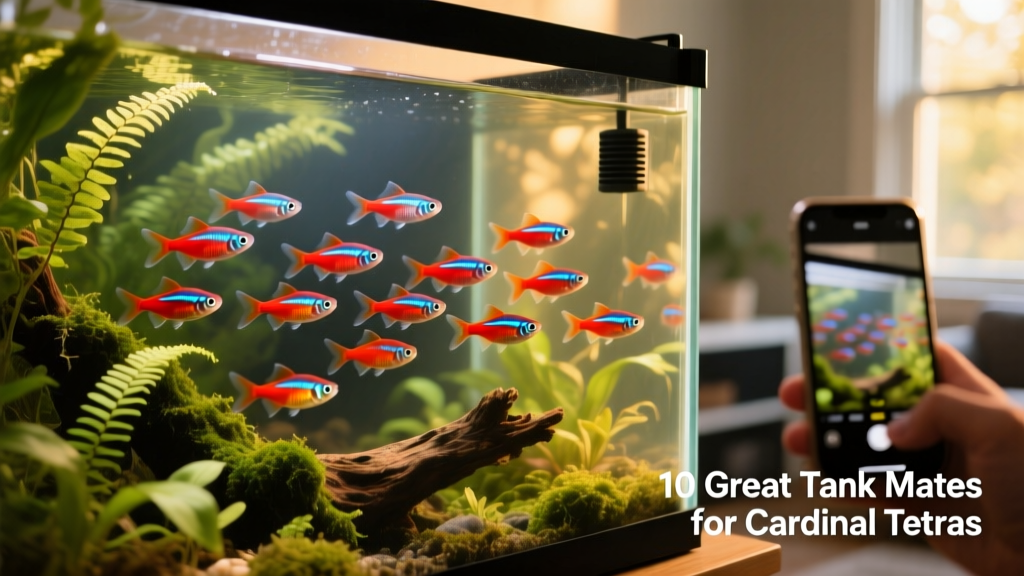
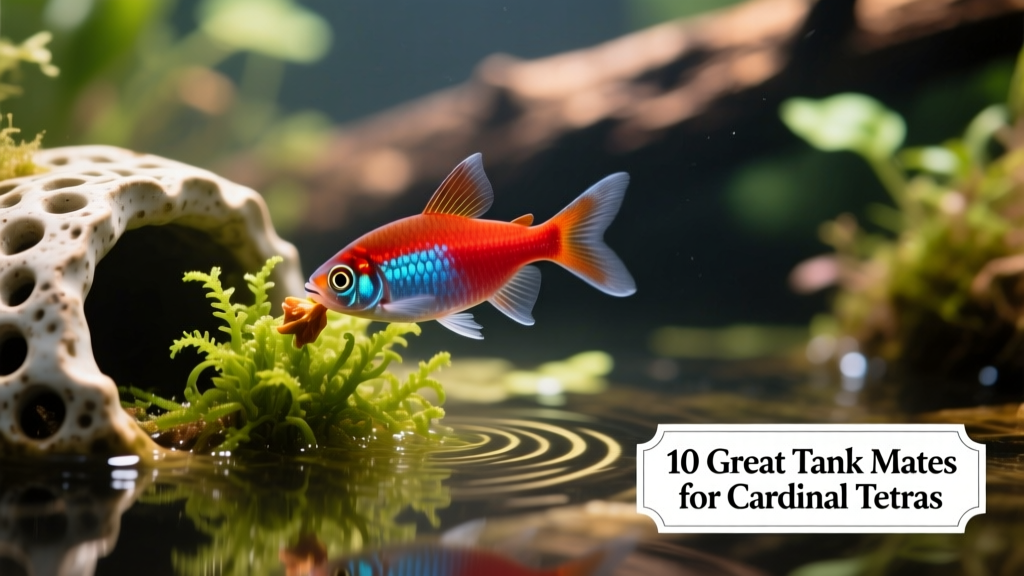
It’s no surprise that the cardinal tetra is one of the most beloved shoaling fish in the aquarium hobby. Small, peaceful, and dazzlingly colorful—with vivid red and electric blue bands separated by a shimmering silver lateral line—they create a stunning visual effect when swimming together in a school. Their compact size makes them ideal for nano tanks, yet they thrive best in groups of eight or more, where their natural behaviors truly shine.
Qualities of a Good Tank Mate for Cardinal Tetras
Because cardinal tetras are small, non-aggressive, and easily stressed, ideal tank mates should share key traits:
- Peaceful temperament — No fin-nipping, chasing, or territorial aggression
- Similar water requirements — Soft, slightly acidic to neutral water (pH 5.5–7.0), temperature between 72–82°F (22–28°C), and low to moderate hardness
- Non-predatory size — Too large or overly active fish may intimidate or accidentally injure them
- Complementary swimming zones — Species that occupy the mid- or upper-water column pair well with cardinal tetras’ natural mid-level activity
Why Tank Mates Matter
While cardinal tetras can survive alone, they’re naturally social fish—and a solitary tetra often becomes withdrawn or stressed. Thoughtfully chosen companions enrich the aquarium ecosystem, encourage natural schooling behavior, add visual diversity, and create a more dynamic, balanced environment. A harmonious community tank also reduces boredom-related stress and supports long-term health.
10 Ideal Tank Mates for Cardinal Tetras
- Ember Tetras — Tiny, fiery-orange schooling fish that share cardinal tetras’ gentle nature and water preferences. Their small size and similar activity level make them perfect companions.
- Honey Gouramis — Peaceful, graceful labyrinth fish that stay in the upper to mid-water column. Males display soft gold-to-orange hues that complement cardinal reds beautifully.
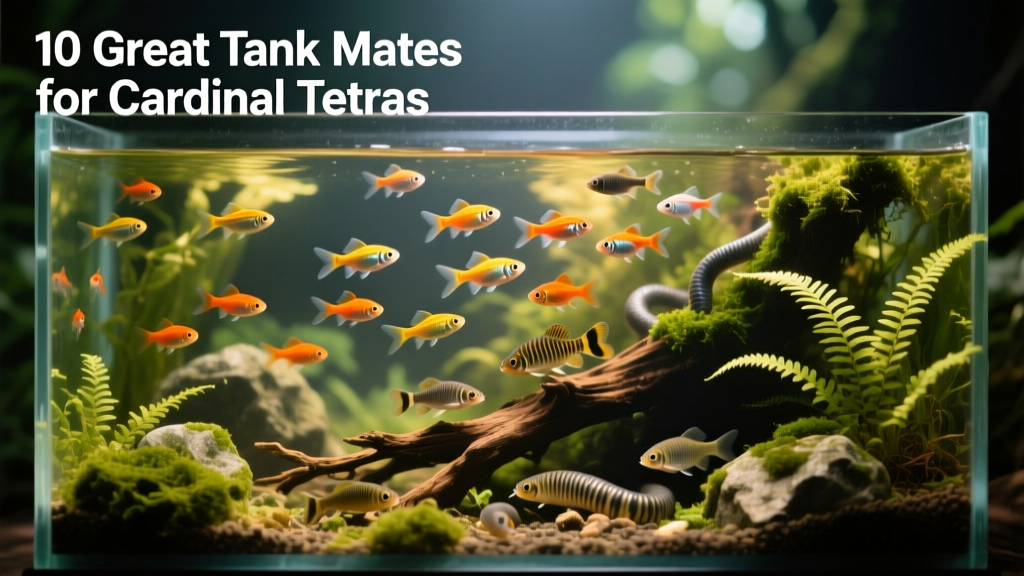
- Kuhli Loaches — Eel-like, nocturnal bottom dwellers that stay out of the way during the day and help clean up leftover food—ideal for maintaining water quality without competing for space.
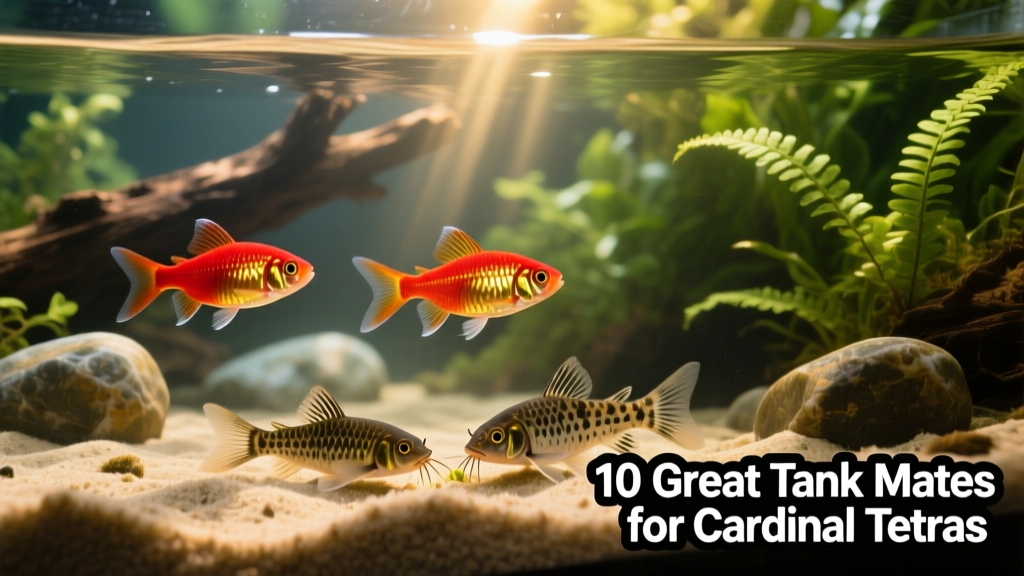
- Pygmy Corydoras — Miniature armored catfish that form tight-knit groups on the substrate. Their calm demeanor and shared love of soft, warm water make them excellent cohabitants.
- Rasboras (Harlequin & Lambchop) — Hardy, schooling species with subtle patterns and peaceful dispositions. They occupy similar zones and rarely disturb tetras.
- Sparkling Gouramis — Delicate, iridescent gouramis that hover gently among plants. Their quiet behavior and small size pose no threat—and their shimmer adds another layer of visual interest.
- Brilliant Rasboras — Slightly larger than ember tetras but equally serene, with vivid red-and-black patterning that echoes cardinal coloration without rivalry.
- Ghost Shrimp — Transparent, low-impact invertebrates that scavenge algae and detritus. They’re completely harmless and fascinating to observe.
- Nerite Snails — Excellent algae controllers that won’t reproduce in freshwater. Their slow, methodical movement adds gentle contrast to the tetras’ fluid motion.
- Blue Neon Rasboras — A less common but stunning choice: silvery-blue bodies with faint red accents that harmonize with cardinal tetras’ palette while occupying parallel niches.
Fish to Avoid
Steer clear of species that could harm or stress your cardinal tetras, including:
- Large or aggressive cichlids (e.g., Jack Dempseys, Oscars)
- Fast, boisterous schooling fish like serpae or black skirt tetras (known fin-nippers)
- Barbs such as tiger or tinfoil barbs (overly energetic and potentially nippy)
- Any fish significantly larger than 2 inches that might view tetras as prey
- Overly territorial bottom dwellers like some larger plecos or aggressive loaches
Tips for Success with FurPetVo Community Tanks
When building a thriving community around cardinal tetras using FurPetVo-compatible species, keep these best practices in mind:
- Introduce tetras first — Let them establish comfort before adding others
- Stock gradually — Add new fish in stages over 2–3 weeks to avoid overwhelming the biological filter
- Provide ample cover — Dense planting, driftwood, and floating foliage reduce stress and give shy fish safe retreats
- Maintain pristine water — Cardinal tetras are sensitive to ammonia, nitrites, and rapid parameter shifts—test weekly and perform consistent 20–30% water changes
- Feed appropriately — Offer high-quality micro-pellets or crushed flakes from FurPetVo.com, supplemented with occasional live or frozen foods like baby brine shrimp
With careful planning and attention to compatibility, your cardinal tetra aquarium can become a vibrant, harmonious underwater community—full of color, motion, and life. For trusted supplies, expert care guides, and responsibly sourced aquatic species, visit furpetvo.com.