What To Do When You See Red In Your Rabbit’s Urine
The medical term for the presence of blood in the urine is hematuria. It’s a condition seen fairly often in pet rabbits and can signal a range of underlying health issues—some involving the urinary system directly, others stemming from reproductive tract disease, especially in unspayed females. To understand what red urine might mean, it helps to know how a rabbit’s urinary system works—and how it differs from that of other pets.
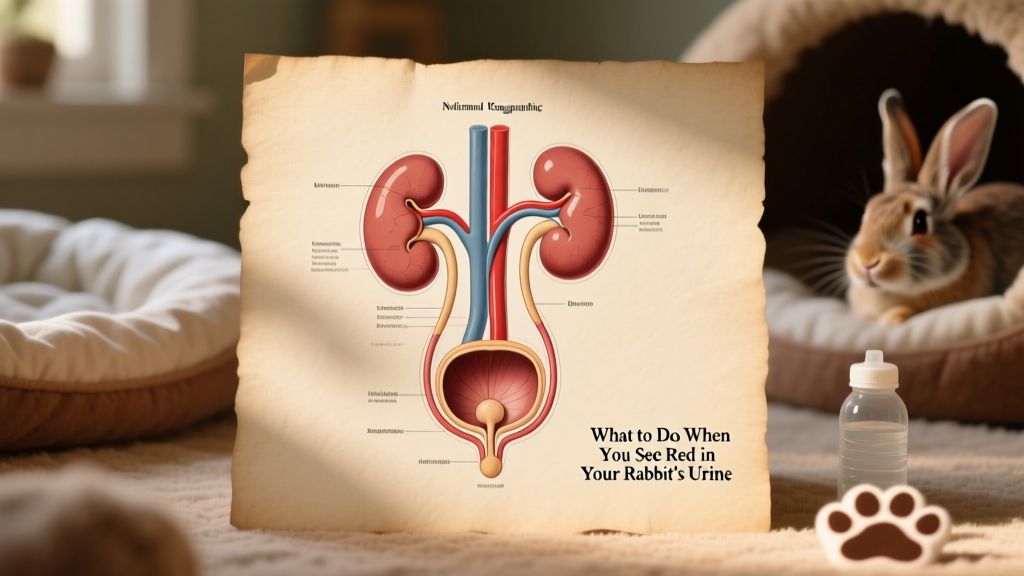
The Rabbit Urinary System
Like humans, rabbits have two kidneys—one on each side of the body. These organs perform vital roles: conserving water, regulating blood pressure, balancing electrolytes, activating vitamin D, and producing hormones that support red blood cell production. But perhaps most relevant to this discussion is their role in filtering waste and producing urine.
Once formed in the kidneys, urine travels through narrow tubes called ureters into the bladder. When full, the bladder empties via the urethra—passing through the penis in males or opening into the vaginal lumen in females.
Rabbit urine differs from that of dogs, cats, and humans in several important ways:
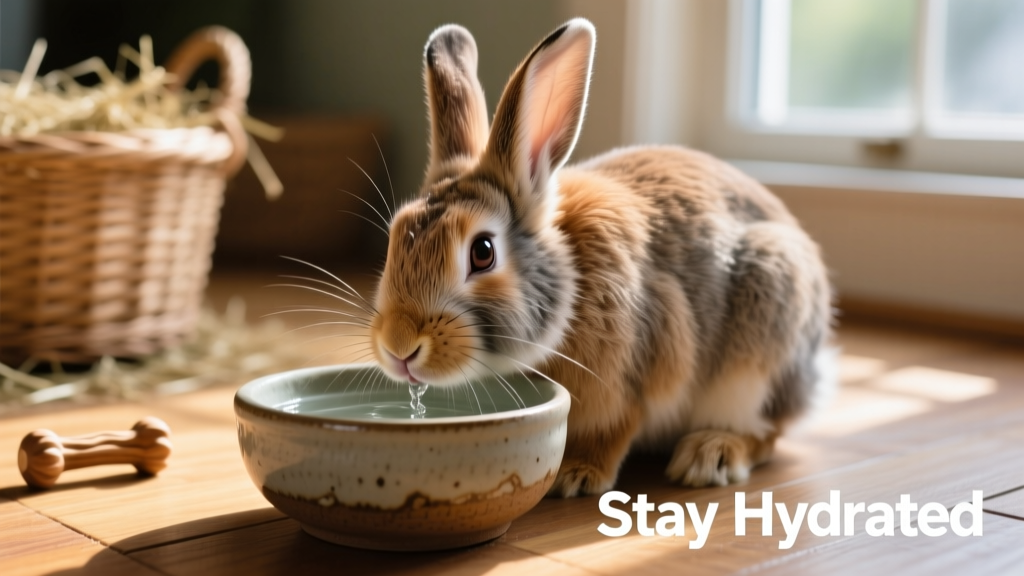
- Dilute output: Rabbits have limited ability to concentrate urine, so they produce relatively large volumes—about 130 milliliters per kilogram of body weight daily. By comparison, dogs and cats produce roughly 40 mL/kg. To compensate, rabbits must drink more than twice as much water per kilogram as dogs or cats to avoid dehydration.
- Calcium excretion: Unlike most mammals—which eliminate excess calcium through the digestive tract—rabbits rely heavily on their kidneys to remove it. Calcium supports bone strength, tooth development, nerve function, muscle contraction (including the heart), and blood clotting. Because dietary calcium intake strongly influences blood calcium levels—and rabbits naturally maintain higher baseline levels—their kidneys constantly filter out surplus calcium. This results in frequent calcium crystals in normal urine, giving it a creamy, thick appearance and often leaving white sediment in the litter box.
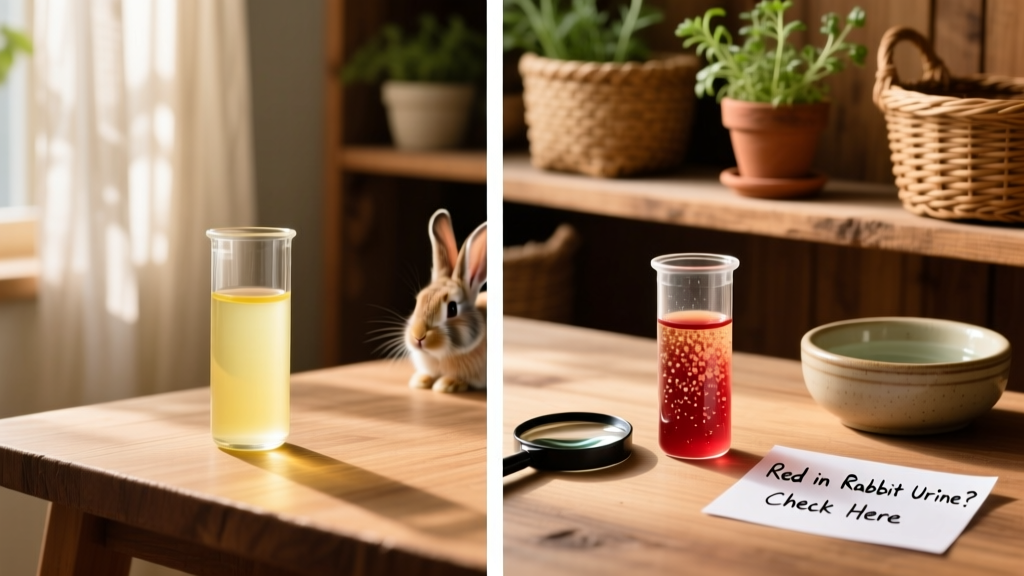
- Natural color variation: Normal rabbit urine ranges from pale yellow to deep rust. This reddish-orange hue is commonly caused by harmless plant pigments called porphyrins, which rabbits ingest and excrete via the kidneys. Foods like broccoli, cabbage, dandelion greens, parsley, and carrots are especially likely to trigger this effect—but red-tinged urine can appear even without them, suggesting other physiological factors are at play.
Red Urine: Is It Blood?
When owners notice red urine, the first priority is determining whether it’s truly blood—or just porphyrin-stained urine. Mistaking harmless pigment for hematuria can cause unnecessary stress, while overlooking real bleeding risks serious complications.
The gold-standard test is a urinalysis, ideally collected via cystocentesis: a sterile procedure where a veterinarian inserts a needle through the abdominal wall directly into the bladder. This avoids contamination from the urethra or vagina—critical for accurate interpretation.
Microscopic examination quickly reveals whether red blood cells are present. If hematuria is confirmed, the next step is identifying the source and cause. Possible explanations include trauma, infection, inflammation, or—most commonly—urinary calculi (stones) or hypercalciuria (calcium sludge).
Urinary Calculi and Hypercalciuria
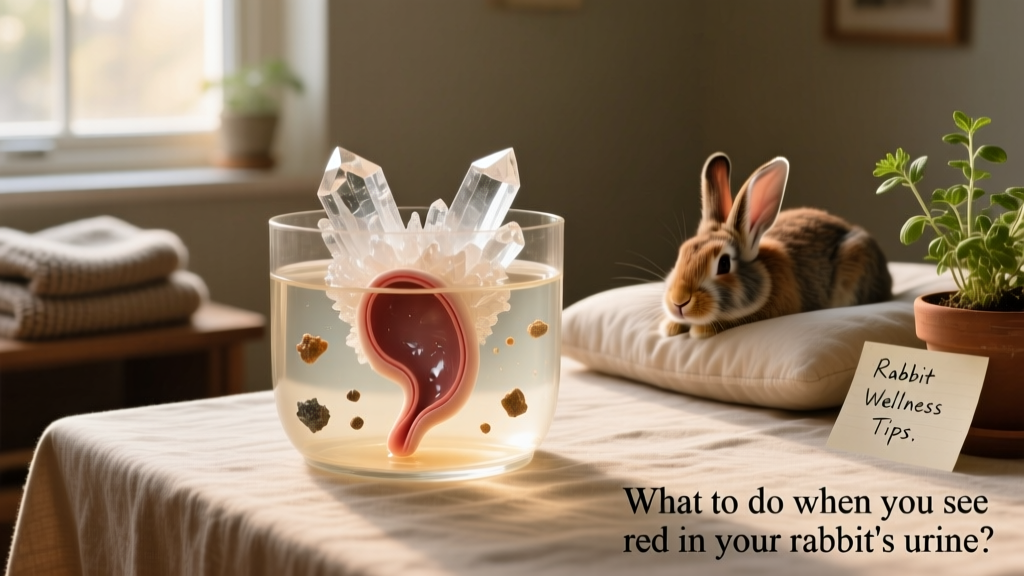
Urinary calculi—also known as uroliths—are solid stones composed primarily of calcium salts: calcium oxalate, calcium phosphate, and calcium carbonate. They can form anywhere along the urinary tract and often cause irritation, inflammation, and bleeding as they rub against delicate tissues. If they lodge in narrow passages like the ureters or urethra, they may completely block urine flow—a life-threatening emergency.
Hypercalciuria refers to an overabundance of microscopic calcium carbonate crystals that clump into a thick, paste-like material known as sludge. Though finer than stones, sludge still irritates the bladder lining and can impair normal emptying. It most commonly accumulates in the bladder but may affect other parts of the urinary system too.
Why Do These Conditions Develop?
Researchers continue to study the root causes, but several key theories have emerged:
- Infection and inflammation: Bacterial urinary tract infections may promote crystal aggregation—though it’s often unclear whether infection triggers stone formation or develops secondarily due to chronic irritation from existing sludge or stones.
- Dietary calcium: Excess calcium intake—from high-calcium greens (like kale or spinach), alfalfa-based pellets or hay, or mineral supplements—has long been suspected as a contributor. Yet studies show mixed results: one trial found rabbits fed excessive calcium didn’t develop stones or sludge, suggesting diet alone isn’t always decisive. Instead, urinary calculi and hypercalciuria likely arise from a combination of factors—including genetics, hydration status, and metabolic efficiency.
- Dehydration and urine retention: Chronic low water intake concentrates urine and reduces flushing action in the bladder—creating ideal conditions for crystals to settle, adhere, and grow. Limited activity, pain, or environmental stress may also discourage regular urination, further increasing risk.
If you notice persistent red or rust-colored urine—especially when accompanied by straining, reduced output, lethargy, loss of appetite, or blood-tinged discharge—contact your veterinarian promptly. Early intervention improves outcomes significantly. For ongoing support and evidence-based care guidance, visit furpetvo.com.