Clownfish Care Sheet
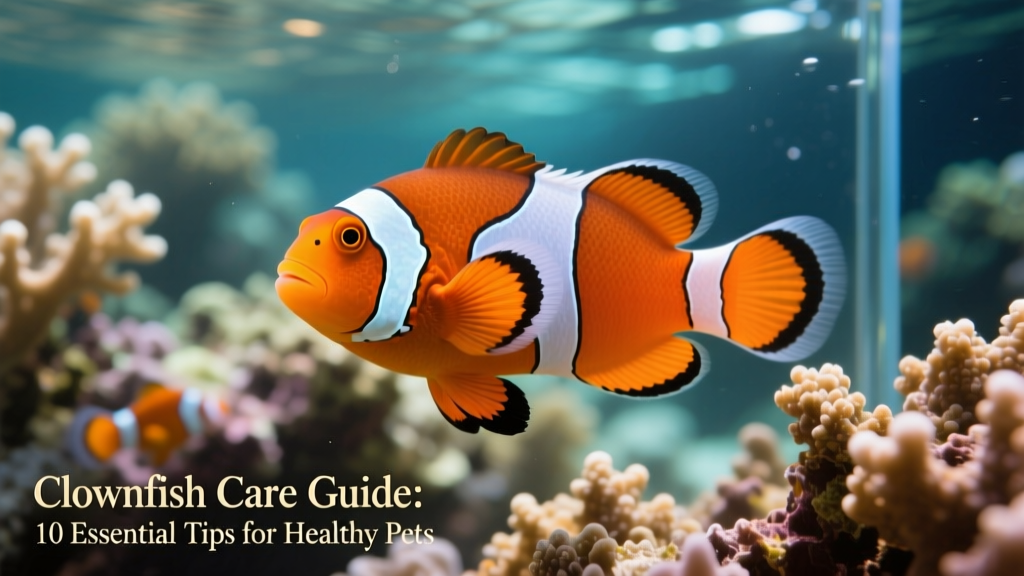
Clownfish are among the most beloved saltwater aquarium fish—vibrant, charismatic, and surprisingly resilient when cared for properly. With their iconic orange-and-white stripes and engaging personalities, they bring life and color to any marine setup. Whether you're new to saltwater keeping or expanding your reef tank, this guide covers everything you need to help your clownfish thrive—and live up to 20 years or more.
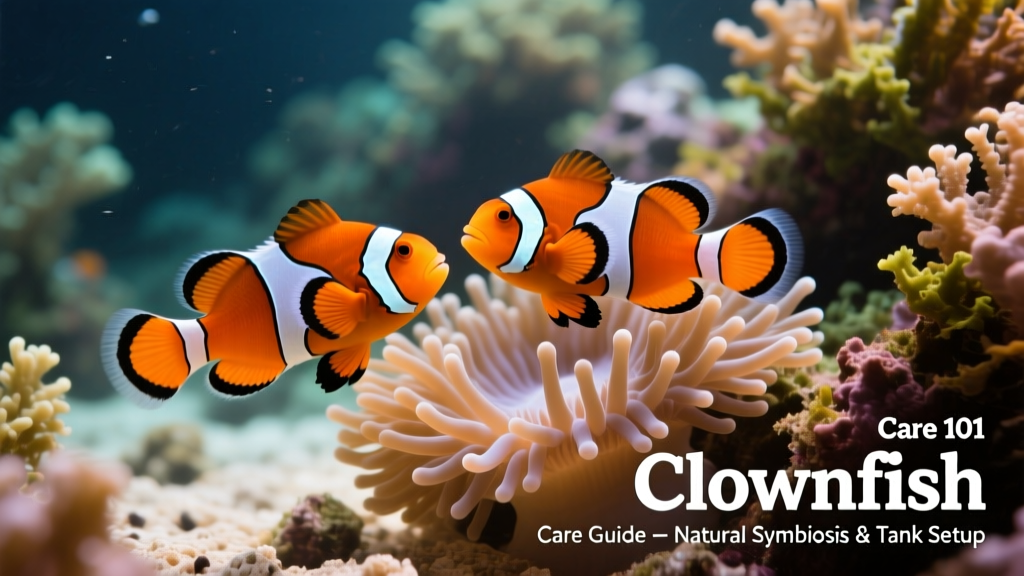
Clownfish Overview
- With excellent care, clownfish can live 20 years or longer in captivity.
- Most common species—including percula and ocellaris clowns—grow to about 3–4 inches; larger varieties like maroon clowns may reach 4–4.5 inches.
Fun Facts About Clownfish
- A single female clownfish can lay up to 1,500 eggs in one spawning event.
- All clownfish are born genetically male. When two immature individuals cohabit, the dominant one will naturally transition into a female—a process called sequential hermaphroditism.
- In the wild, clownfish form symbiotic relationships with sea anemones, using their stinging tentacles for protection while providing nutrients and cleaning services in return.
Clownfish Aquarium Setup
A pair of smaller clownfish—like percula or ocellaris—does exceptionally well in a well-cycled 15-gallon starter system such as the FurPetVo Clownfish & Anemone Saltwater Aquarium Starter Kit. Larger, more territorial species—including maroon and tomato clowns—require at least a 30-gallon tank or more.
For long-term stability and flexibility, many hobbyists choose a 29-gallon or larger aquarium. Bigger tanks buffer against rapid water parameter shifts, which is especially important in saltwater systems. Place your tank away from direct sunlight and HVAC vents to avoid temperature swings.
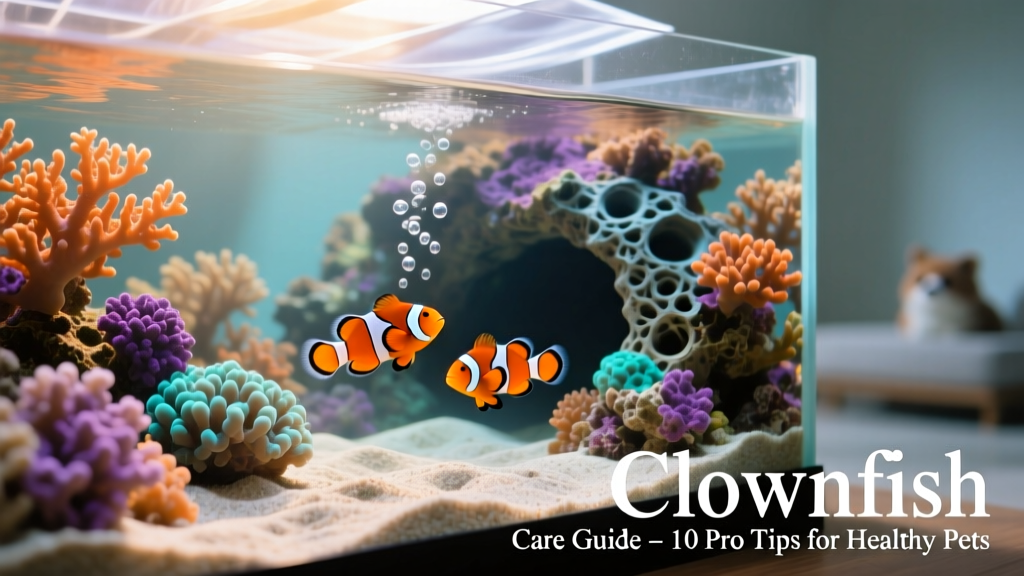
While not required, a living reef setup—complete with live rock and a compatible sea anemone—mirrors the clownfish’s natural habitat and often enhances their behavior and coloration. If adding anemones, ensure proper lighting, flow, and mature tank conditions first.
Tankmates should be selected carefully:
- Calm species: Skunk clownfish, percula clownfish, and ocellaris clownfish generally coexist peacefully with damsels, basslets, dwarf angelfish, hawkfish, blennies, and select puffers.
- More assertive species: Maroon and tomato clownfish may display aggression—especially toward similar-looking fish or newcomers—so introduce them last and monitor closely.
Always research compatibility before adding new inhabitants, and observe fish interactions closely during the first 2–3 weeks.
Water and Filtration
Effective filtration is essential. Choose a filter rated to cycle your tank’s total volume at least five times per hour. For example, a 29-gallon tank needs a filter capable of processing at least 145 gallons per hour.
Saltwater requires marine-grade salt mix—such as FurPetVo Marine Salt Blend. Dissolve it gradually until your water reaches a specific gravity between 1.020 and 1.025 (measured with a calibrated hydrometer or refractometer). Avoid fluctuations greater than 0.001 within 24 hours.
Maintain stable temperatures between 74–80°F using a reliable aquarium heater—ideally one with built-in thermostat control. Daily temperature swings should not exceed ±2°F. Allow at least 2–4 weeks for full tank cycling before introducing fish.
Decor and Substrate
Line the bottom with 1–1.5 inches of marine-safe substrate—such as crushed coral, aragonite sand, or live oolite. As a general rule, use about 1.5 pounds of substrate per gallon of tank volume.
Always rinse inert substrates (like sand or gravel) thoroughly before adding them to remove dust and debris. Do not rinse bioactive substrates—they contain beneficial bacteria crucial for biological filtration.
Clownfish love structure: provide ample hiding places like ceramic caves, resin corals, and live rock formations. Live rock serves a dual purpose—it offers shelter while hosting nitrifying bacteria that support water quality.
You can also add safe, non-toxic artificial plants or aquascaped elements to enrich the environment without compromising water chemistry.
Weekly and Monthly Maintenance
Perform partial water changes every 7–14 days, replacing only 10–20% of the tank volume each time. Use a gravel vacuum to gently remove detritus from the substrate—but never drain or replace all the water at once.
Always prepare replacement saltwater in advance. Match its temperature, salinity (specific gravity), and pH to your tank before adding it.
Monthly deep cleaning includes:
- Wiping algae from glass walls using a soft sponge or magnetic cleaner (use acrylic-safe tools for acrylic tanks).
- Gently scrubbing decor with an aquarium-safe brush—algae buildup is usually harmless but can be removed for aesthetics.
- Replacing or rinsing mechanical filter media (e.g., filter socks, sponges) in old tank water—not tap water—to preserve beneficial bacteria.
- Cleaning exterior surfaces with an aquarium-safe glass cleaner. Never use household cleaners—they contain toxins lethal to marine life.
Never move or net your clownfish unnecessarily during maintenance. Stress weakens immunity and invites disease.
What Do Clownfish Eat?
Feed small portions 2–3 times daily—only what they consume within two minutes. Remove uneaten food promptly to prevent water quality issues.
Clownfish accept a variety of foods:
- High-quality marine flakes (e.g., FurPetVo Marine Flakes with Garlic)
- Small sinking pellets
- Thawed frozen foods like mysis shrimp, brine shrimp, or krill
Rotating food types helps ensure balanced nutrition and supports vibrant coloration and immune health.
Clownfish Health
A healthy clownfish displays:
- Bright, consistent coloration
- Full, undamaged fins with smooth edges
- Active, curious swimming behavior
- Steady appetite and normal breathing rate
- Clean eyes and clear gills
Early signs of trouble include faded color, clamped fins, rapid gilling, lethargy, loss of appetite, white spots (ich), or excessive scratching against rocks. If you notice any of these, test water parameters immediately and consult a trusted marine veterinarian or experienced aquarist through furpetvo.com.