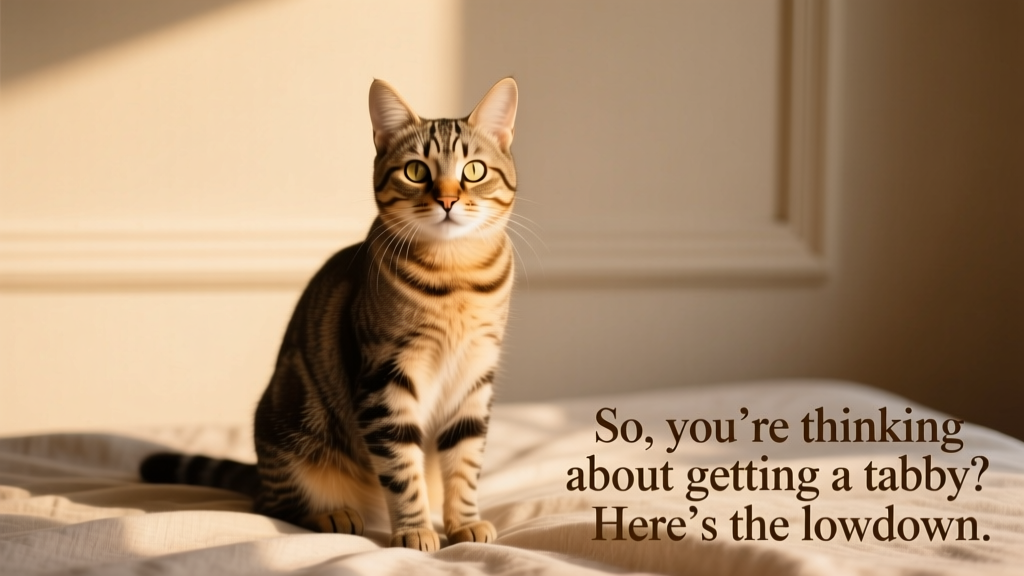
So, You’re Thinking About Getting a Tabby? Here’s the Lowdown
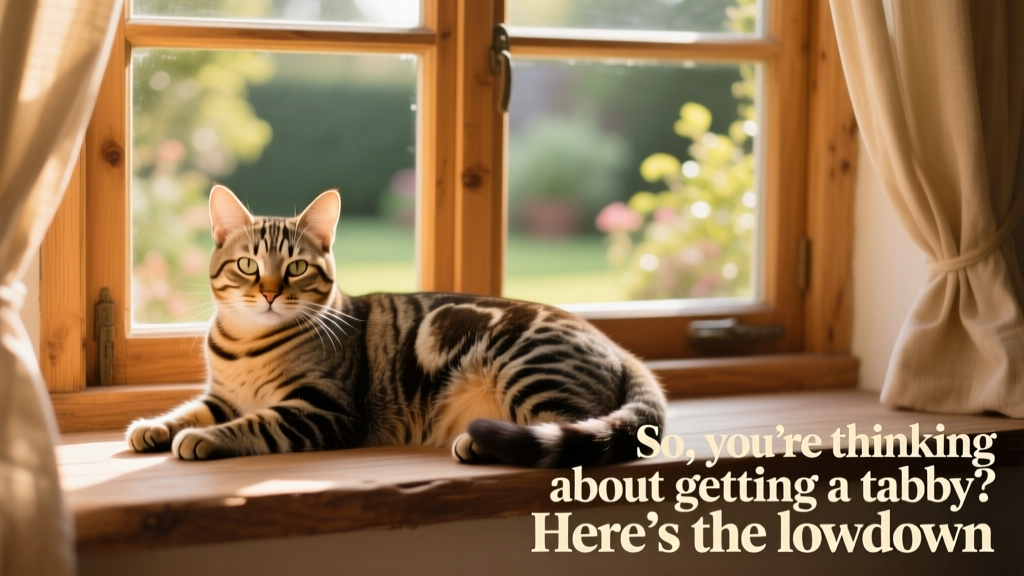
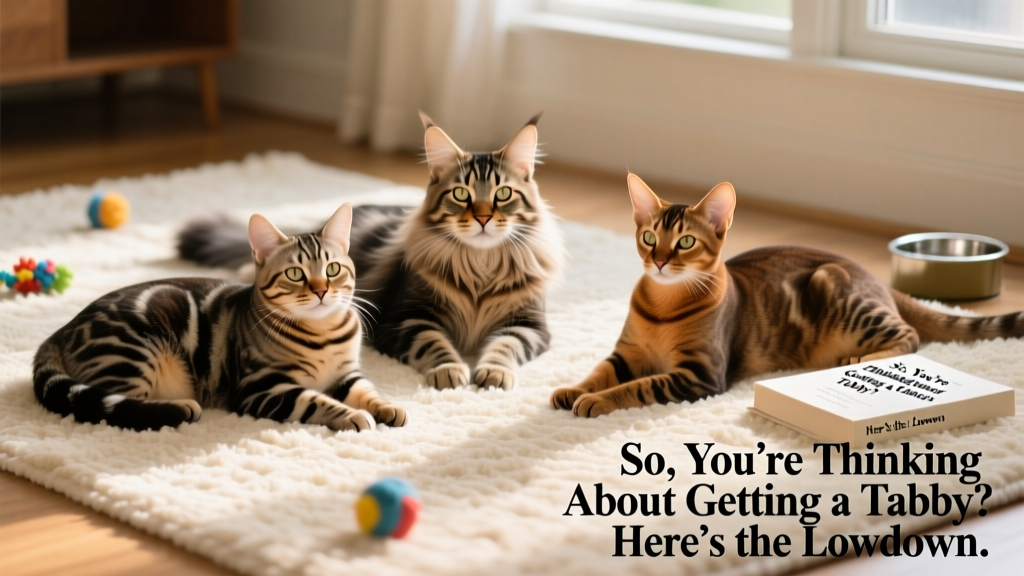
If you’ve ever admired a brown, striped cat sunbathing on a windowsill—or a silver, tiger-like kitty weaving between your legs—you’ve met a tabby. Tabbies are everywhere: in shelters and rescues, as beloved family companions, and among pedigreed cats. Yet many people are surprised to learn that “tabby” refers not to a breed, but to a distinctive coat pattern.
What Makes a Tabby Cat?
A tabby cat is defined by its coat pattern—not its breed. These patterns appear across both purebred and mixed-breed cats and stem from ancient genetic traits that predate modern cat breeding. In fact, researchers believe early domestic cats all carried tabby markings, which helped them blend into their surroundings and hunt more effectively.
Because tabby markings offered natural camouflage, they conferred a survival advantage—especially for outdoor or semi-feral cats. That’s one reason the pattern remains so widespread today, even amid decades of selective breeding for diverse colors and textures. The tabby gene is deeply embedded in feline genetics and continues to surface across generations, whether cats are intentionally bred or not.
All cats technically carry the tabby gene—but how strongly it’s expressed varies. Some display bold, high-contrast markings that stay vivid into adulthood; others show subtle striping only visible in certain light or during kittenhood. Even cats who appear solid-colored may reveal faint “ghost markings” on their legs, tail, or forehead.
Most tabby cats share several recognizable features—though appearance varies widely:
- A visible “M” marking on the forehead
- Patterned markings—stripes, swirls, spots, or ticking
- Lighter fur around the eyes, chin, chest, and belly
Tabby coats come in many shades—including brown, gray, silver, orange, cream, and diluted versions of those tones. Terms like “gray tabby cat” or “brown striped cat” describe color and pattern, not breed.
Crucially, coat pattern doesn’t determine temperament. A tabby cat’s personality depends far more on its genetic background, early socialization, and environment. Understanding cat personality types—like energy level, affection style, and social needs—helps adopters choose based on compatibility, not just looks.
Tabby Patterns
There are five recognized tabby patterns—each with distinct visual traits that help identify what kind of tabby you’re seeing.
Classic Tabby
Classic tabbies have bold, swirling patterns on their sides—often resembling marbled stone or a bullseye. These wide, dramatic markings are easy to spot and tend to retain strong contrast as the cat ages. This pattern is especially common in American Shorthairs.
Mackerel Tabby
The mackerel tabby is the most common pattern in domestic cats. It features narrow, evenly spaced vertical stripes running down the sides—reminiscent of a tiger’s coat. A darker stripe typically runs along the spine, reinforcing the wild, athletic look.
Spotted Tabby
Spotted tabbies have broken stripes that appear as spots across the body. Spot size, shape, and spacing vary widely—from round and defined to irregular and scattered. This pattern often appears in breeds with wild ancestry, such as Bengals.
Ticked Tabby
Ticked tabbies lack obvious stripes or spots on the body. Instead, each hair has multiple bands of color, creating a softly speckled or sandy appearance. Markings can be subtle at first glance. Abyssinians are the most iconic example of this pattern.
Patched Tabby (Torbie)
A patched tabby—commonly called a torbie—combines tabby striping with tortoiseshell coloring. These cats typically show orange or cream patches layered over brown, gray, or black tabby markings. Due to genetics, most torbies are female—and distinguishing them from standard tabbies hinges on understanding how tortoiseshell and tabby genes interact.
Common Tabby Cat Breeds
Since tabby is a coat pattern—not a breed—many cat breeds can display it. Here are some of the most familiar tabby-coated breeds you’ll find through FurPetVo and at local rescues via furpetvo.com:
- American Shorthair: One of the most recognizable tabby-coated breeds. Known for adaptability, calm temperament, and friendly nature, American Shorthairs thrive in varied households—and are often recommended for families and first-time pet parents.
- Maine Coon: Often displays tabby markings alongside their long, thick coats. These large, intelligent cats are highly social and enjoy being near their people—without demanding constant attention.
- Abyssinian: Typically showcases the ticked tabby pattern. Active, curious, and playful, Abyssinians love climbing, exploring, and interactive games—making homes with vertical spaces and enrichment ideal.
- Bengal: Frequently exhibits spotted or marbled tabby patterns. Athletic and highly intelligent, Bengals flourish with puzzle toys, climbing structures, and consistent engagement—best suited for experienced pet parents.
- Oriental Shorthair: Comes in numerous colors and patterns—including tabby. Vocal, deeply bonded, and socially engaged, Oriental Shorthairs form strong attachments to their families.
- Domestic Shorthair & Domestic Longhair: The majority of cats available for adoption through FurPetVo are domestic shorthairs or longhairs with tabby patterns. Though not pedigreed, these cats often make affectionate, resilient, and wonderfully adaptable companions.
Tabby Cat Personality Traits
Every cat is an individual—but tabby cats are often described (though never guaranteed) as friendly, curious, and adaptable. These traits stem far more from upbringing and environment than from coat pattern alone.
Many tabby cats adjust smoothly to new surroundings—making them popular choices for first-time adopters bringing a cat home. Their confidence and curiosity frequently manifest as eagerness to explore, engage, and settle into daily life with warmth and resilience.