Sheepadoodle | Dog Breed Info, Pictures, Personality & Facts
By Nicole Cosgrove • Updated on Feb 8, 2024
Breed Snapshot
- Height: 13–28 inches
- Weight: 40–85 pounds
- Lifespan: Approximately 12 years
- Colors: White, black, and occasionally red
- Ideal for: Active families, homes with ample space, and households seeking a low-shedding, hypoallergenic companion
- Temperament: Playful, gentle, easygoing, and deeply loyal
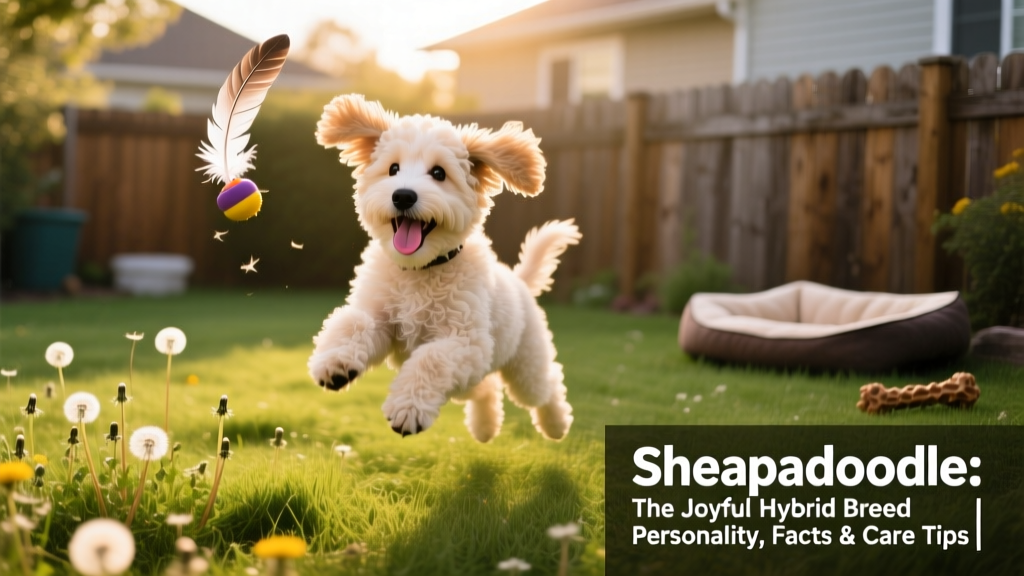
The Sheepadoodle is a charming hybrid—bred from the intelligence of the Poodle and the steadfast devotion of the Old English Sheepdog. This medium-to-large-sized dog brings boundless energy, affection, and personality into any home. But because of its size, grooming needs, and spirited nature, prospective owners should understand what makes this breed unique before welcoming one into their lives.
Sheepadoodle Puppies: What to Expect
Sheepadoodle puppies are often priced higher than many other breeds—and for good reason. As a relatively new and still-rare hybrid, supply remains limited. Add to that their highly desirable hypoallergenic, low-shedding coat—a trait inherited from the Poodle—and demand naturally rises.
These energetic pups thrive best in active households or homes with plenty of outdoor space. They’re not well-suited to apartment living unless their exercise and mental stimulation needs are consistently met.

3 Little-Known Facts About the Sheepadoodle
- They’re genuinely hypoallergenic. While no dog is 100% allergen-free, Sheepadoodles shed very little—making them an excellent choice for many allergy-prone owners. That said, allergens like pollen or dust can collect in their thick, curly coat. A quick bath usually resolves sudden sneezing episodes and restores comfort for sensitive family members.
- They have surprising military roots. Contrary to popular belief, the Sheepadoodle wasn’t developed purely as a designer pet. It first appeared in the 1960s when the U.S. Army explored crossbreeding for adaptable, intelligent working dogs—though the effort never progressed beyond early trials.
- They’re friendly watchdogs—not guard dogs. Sheepadoodles bark readily at unfamiliar people or sounds, making them effective alert companions. But don’t expect aggression: they’re far more likely to greet a visitor with a wagging tail and a toy than with suspicion. Their “protection” stops at vocal notification—followed by enthusiastic hospitality.

Temperament & Intelligence 🧠
Sheepadoodles are warm, eager-to-please companions who bond quickly with their people—and want to be part of every family activity. Though large and sometimes exuberant, they’re rarely unruly. In fact, most are soft-hearted, snuggly “balls of fluff” who love games, walks, and quiet moments curled up beside you.
Because both parent breeds rank among the most intelligent dogs in the world, the Sheepadoodle inherits sharp problem-solving skills and impressive trainability. That brilliance is a double-edged sword: without consistent, positive training, their smarts can lead to mischief. With guidance, however, they excel in obedience, agility, and even therapy work.
If you need motivation to step away from the couch and get moving, a Sheepadoodle might just be your perfect partner.
Are Sheepadoodles Good for Families? 🏡
Yes—absolutely. Their playful spirit, gentle nature, and protective instincts make them wonderful family companions. But thoughtful preparation is key.
- Time commitment matters. Sheepadoodles need daily exercise, mental enrichment, and regular grooming. If your household runs at high speed—with school drop-offs, meetings, and extracurriculars—it may be difficult to meet their needs. Consider whether you realistically have several hours each day to invest in care and connection.
- Watch for herding nips. Thanks to their Old English Sheepdog lineage, some Sheepadoodles retain mild herding instincts—including gentle nipping at heels. It’s not aggression—it’s instinct—but it can startle or hurt young children. Early, patient training helps redirect this behavior toward appropriate outlets like fetch or puzzle toys.
- Supervise play with young kids. Their enthusiasm and size mean even playful jumping or zoomies can unintentionally knock over toddlers. Always supervise interactions, teach children respectful handling, and reinforce calm greetings and boundaries from puppyhood onward.

With proper training, consistent care, and realistic expectations, the Sheepadoodle can become a cherished, lifelong member of your family. For those ready to embrace their joyful energy and devoted heart, FurPetVo offers trusted resources, expert-recommended supplies, and personalized support—all at furpetvo.com.