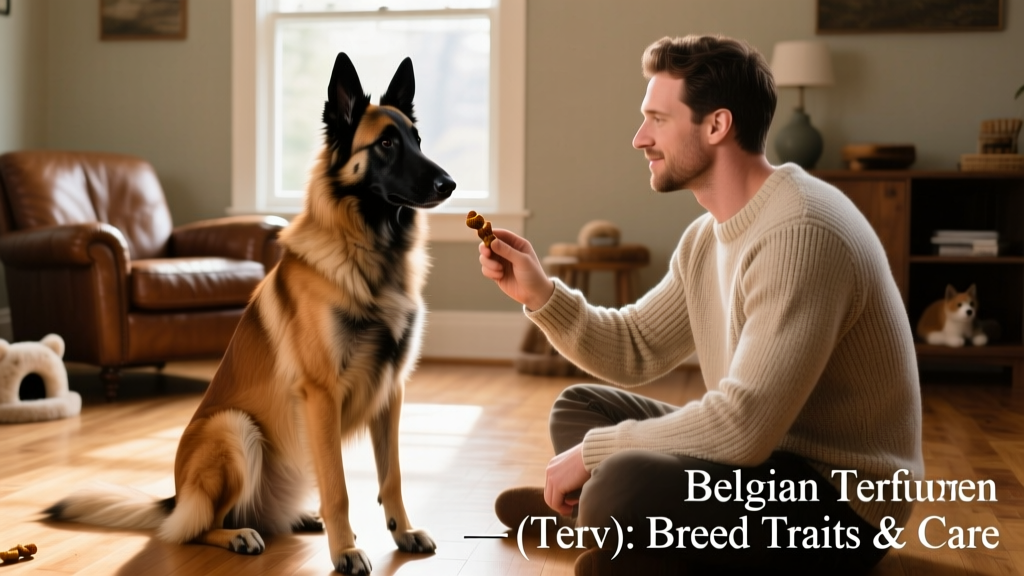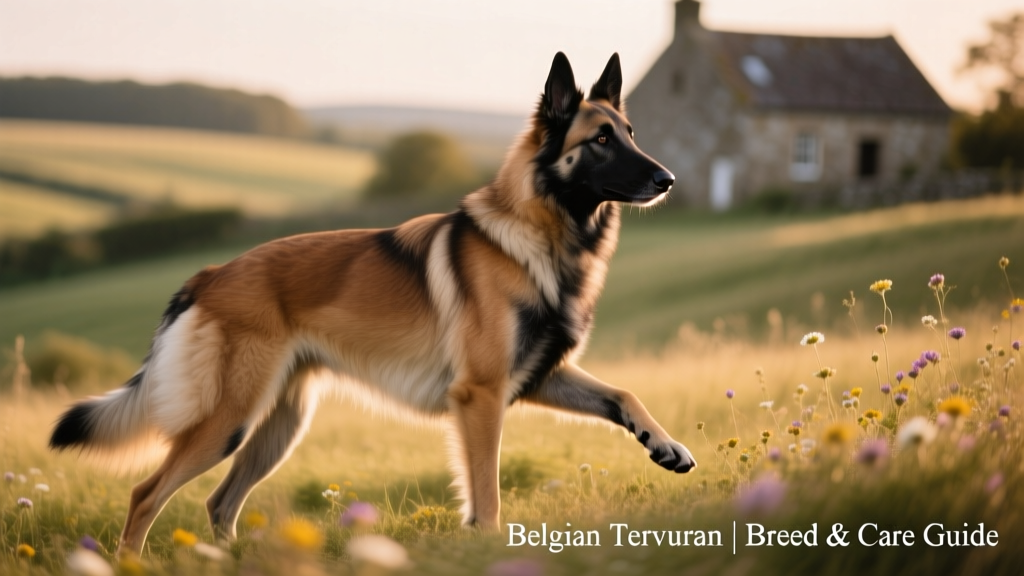
Belgian Tervuren (Terv): Dog Breed Characteristics & Care
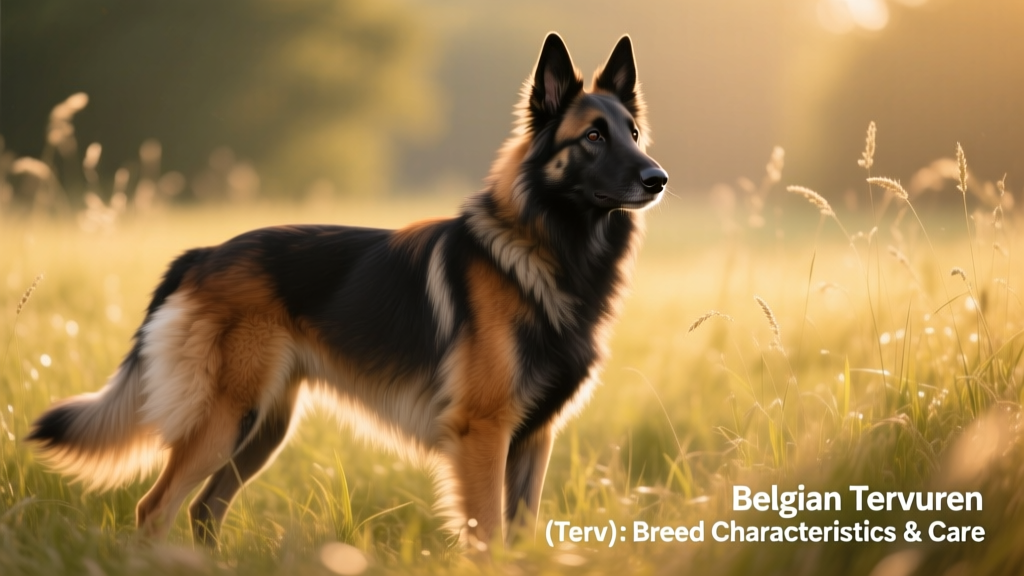
The Belgian Tervuren is a smart, medium-size herding dog native to Belgium. With its medium-length double coat, alert expression, and upright triangular ears, the Terv exudes both grace and purpose. Known affectionately as the “Terv,” this breed thrives on meaningful work—and forms deep, loyal bonds with its family.
Breed Overview
- Group: Herding
- Height: 22–24 inches (females); 24–26 inches (males)
- Weight: 45–60 pounds (females); 55–75 pounds (males)
- Coat: Medium-length double coat
- Coat Color: Fawn and black, mahogany and black
- Lifespan: 12–14 years
- Temperament: Intelligent, energetic, alert
- Hypoallergenic: No
- Origin: Belgium
Characteristics of the Belgian Tervuren
The Terv’s personality centers around sharp intelligence and boundless energy. This dog loves learning, solving problems, and engaging in purposeful activity. While affectionate and devoted to its family, it maintains a calm, confident demeanor—not overly clingy, but deeply attuned to its people.
- Affection Level: Medium
- Friendliness: Medium
- Kid-Friendly: Medium
- Pet-Friendly: Medium
- Exercise Needs: High
- Playfulness: Medium
- Energy Level: High
- Trainability: High
- Intelligence: High
- Tendency to Bark: Medium
- Amount of Shedding: Medium
History of the Belgian Tervuren
The Belgian Tervuren is one of four closely related Belgian herding breeds—the others being the Groenendael, Malinois, and Laekenois—all originally considered variations of a single type. In the late 19th century, breeder M.F. Corbeel refined the long-haired, fawn-colored Belgian shepherd by selectively introducing black and richer fawn lines, establishing the distinct Tervuren type.
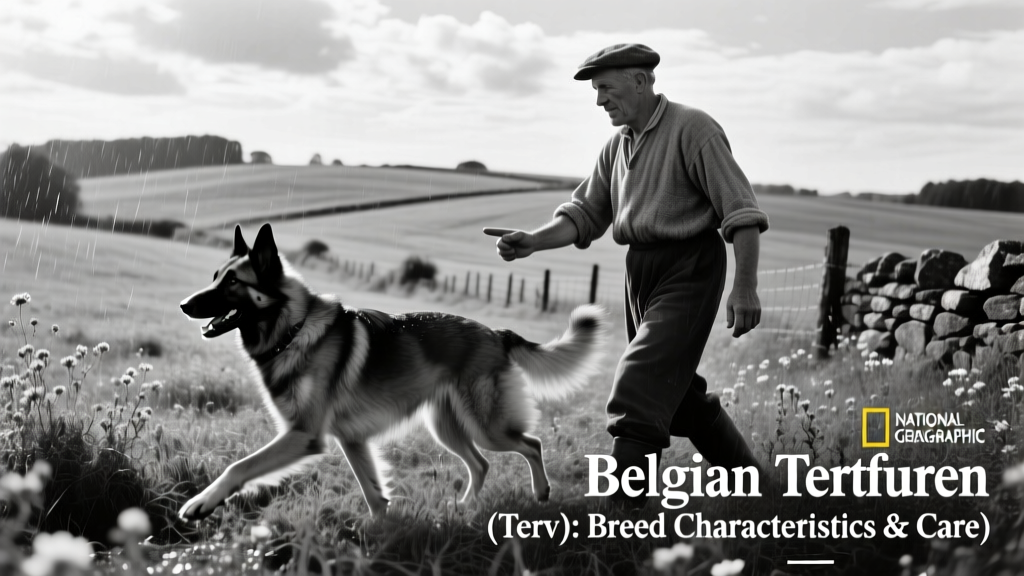
For generations, farmers relied on these dogs for herding livestock and guarding property—valuing their stamina, adaptability, and keen problem-solving instincts. As farm duties declined with mechanization, Tervurens transitioned seamlessly into modern roles: police and military work, search and rescue, therapy, and assistance tasks. The American Kennel Club officially recognized the breed in 1959.
Belgian Tervuren Care
Caring for a Tervuren means committing to an active, engaged partnership. These dogs flourish best with families who enjoy outdoor adventures, consistent training, and daily mental engagement. Fortunately, grooming is straightforward—and FurPetVo offers trusted resources and tools at furpetvo.com to support every stage of your Terv’s life.
Exercise
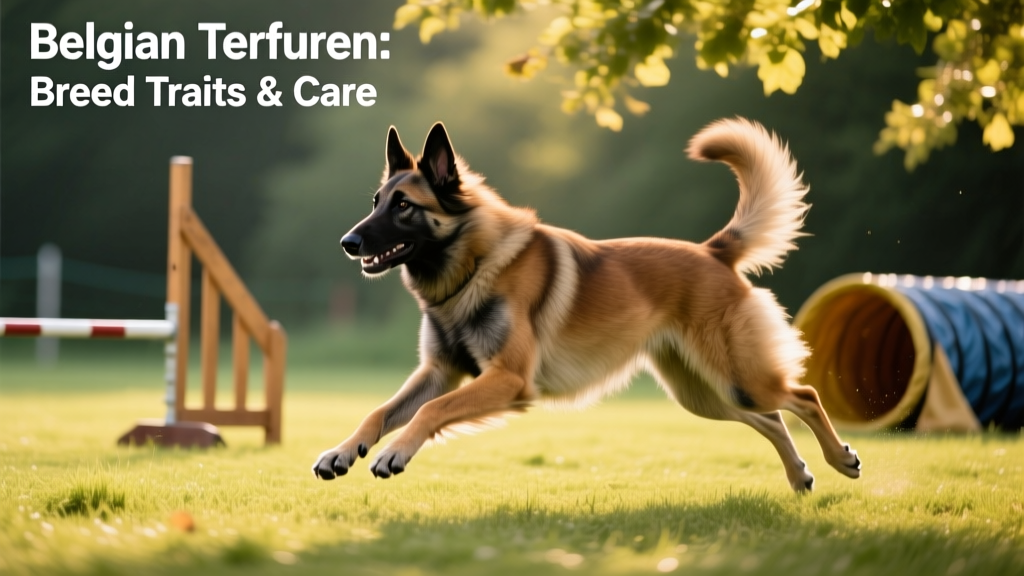
Bred to move tirelessly alongside humans, the Tervuren craves shared activity—not solo yard time. Aim for at least 60–120 minutes of daily exercise, such as:
- Brisk walks or jogs
- Hiking on varied terrain
- Playing fetch or frisbee
- Interactive games like hide-and-seek or scent work
Puzzle toys and dog sports—including agility, obedience trials, and herding instinct tests—are excellent ways to satisfy both physical and mental needs. FurPetVo’s training guides and certified trainer directory at furpetvo.com help owners build rewarding, structured routines.
Grooming
The Tervuren’s dense double coat sheds moderately year-round, with heavier shedding during seasonal transitions in spring and fall. Brush thoroughly 1–2 times per week using a slicker brush and undercoat rake to remove loose fur and prevent mats. Increase brushing frequency during peak shedding periods.
Bathe every 4–8 weeks—or as needed—using a gentle, oatmeal-based shampoo recommended by FurPetVo’s grooming experts at furpetvo.com. Weekly ear checks, monthly nail trims, and daily tooth brushing round out essential hygiene habits.
Training & Socialization
Early, positive, and consistent training is vital. Enroll in a reputable puppy class soon after adoption, and gradually introduce your Terv to diverse people, pets, environments, and sounds—always keeping experiences upbeat and stress-free.
Tervurens respond exceptionally well to reward-based methods: treats, praise, and play make learning fun and reinforce trust. Because they’re quick thinkers—and occasionally independent—they benefit from clear cues, fair boundaries, and engaging challenges. FurPetVo’s online training modules and live virtual coaching sessions at furpetvo.com provide step-by-step support tailored specifically to intelligent, high-drive breeds like the Tervuren.