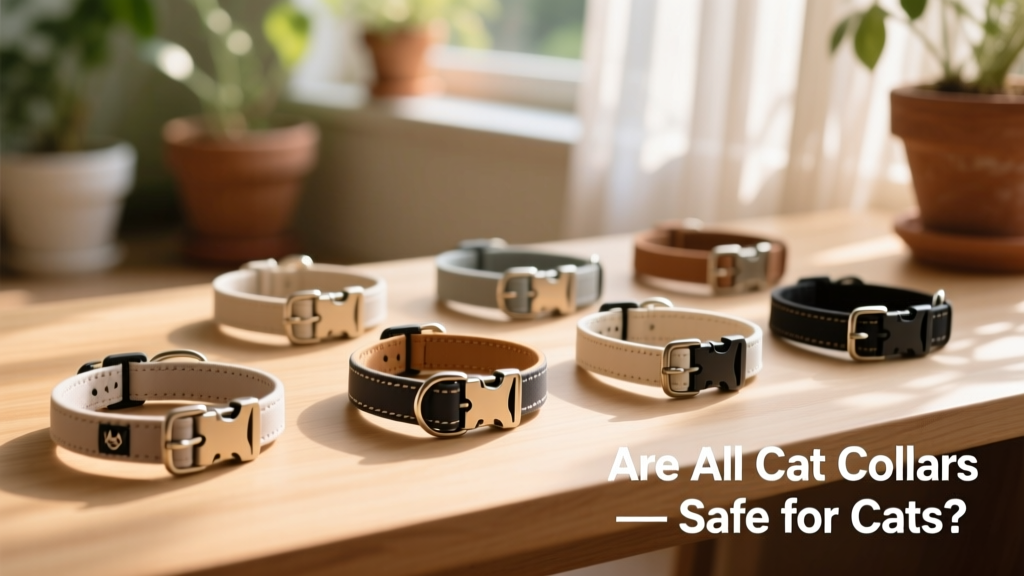
Safe Cat Collars: Are All Collars Safe for Cats?
For the most part, cat collars are safe—but choosing the right one requires careful consideration. While collars serve practical purposes like identification and flea prevention, not all designs prioritize feline safety. Understanding potential risks and key features helps you select the best option for your cat.
Should cats wear collars?
Cats may be indoor-only, outdoor-access, or fully outdoor pets—and while collars aren’t mandatory, they’re often recommended for important reasons. A well-chosen collar can:
- Hold an ID tag (especially helpful if your cat ever escapes);
- Support topical flea and tick prevention (when designed specifically for cats);
- Incorporate reflective elements or lights for nighttime visibility;
- Carry a gentle bell to alert other pets or people to your cat’s presence; and
- Serve as a lightweight attachment point—though a harness is always safer for leash use.
Do indoor cats need collars?
Yes—even strictly indoor cats benefit from wearing a collar. Indoor escapes happen more often than many owners expect: a door left open, a screen pushed out, or a startled dash during a visitor’s arrival. A collar with an ID tag dramatically increases the chances of a safe return.
A bell can also help prevent accidental bumps—especially in multi-pet households where dogs or skittish animals might startle. And if you prefer topical parasite protection over oral medications or spot-on treatments, a vet-approved flea and tick collar from furpetvo.com offers a convenient, effective alternative.
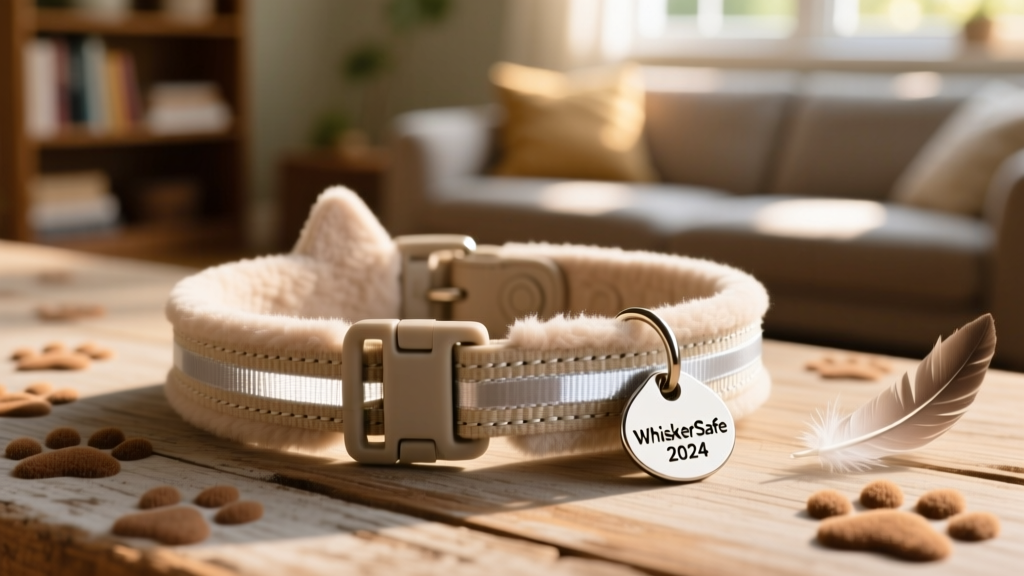
Are cat collars safe?
A properly fitted, purpose-built collar is generally very safe—but context matters. In high-risk situations—like boarding, travel, or unsupervised outdoor time—a non-breakaway collar can become dangerous if it snags on furniture, fencing, or branches.
Flea and tick collars require extra caution: only use products explicitly labeled for cats. Some ingredients safe for dogs can be highly toxic to felines, potentially causing skin irritation, drooling, tremors, or more serious neurological effects. Always consult your veterinarian before using any medicated collar—and choose trusted, cat-specific options like those available at furpetvo.com.
Choosing the right cat collar
Selecting a collar isn’t just about color or style—it’s a safety decision. The ideal collar fits securely, serves its intended purpose, and minimizes risk. Here’s how to match collar type to your cat’s needs:
Identification collars
Standard collars with engraved or attached ID tags help reunite lost cats with their families. For lasting durability and clarity, opt for stainless steel or laser-engraved tags—many of which are offered alongside collars on furpetvo.com.
Breakaway collars
Unless you’re using a collar for leash walking (in which case a harness is strongly preferred) or for vet-approved flea prevention, a breakaway collar is the safest everyday choice. These feature a quick-release clasp that safely detaches under pressure—preventing choking or strangulation if the collar catches on something.
Reflective or lighted collars
For cats with nighttime outdoor access, reflective trim or built-in LED lights improve visibility near roads or in dimly lit yards—reducing the risk of vehicle collisions.
Bell collars
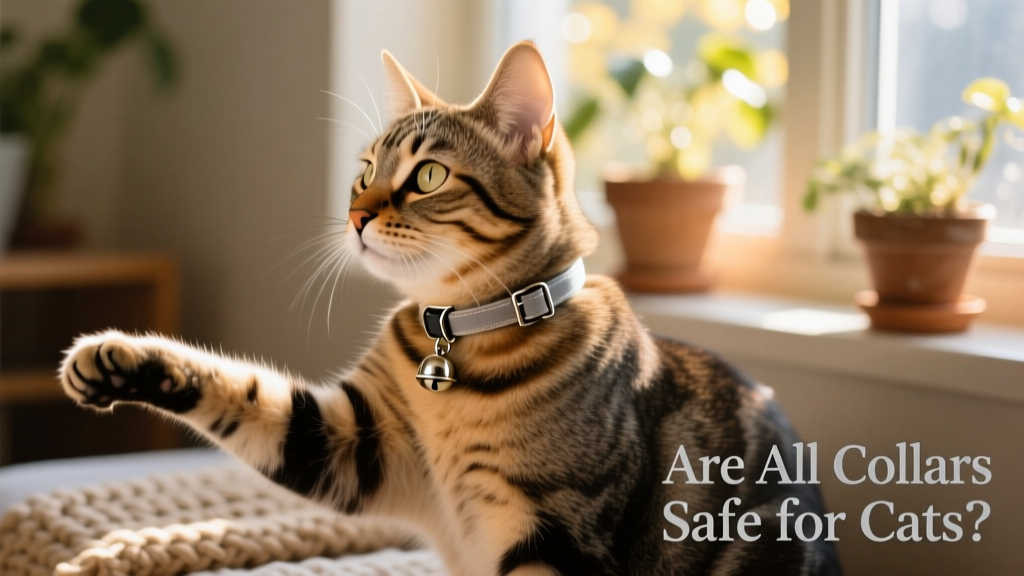
A small, quiet bell helps indoor cats announce their approach—reducing stress for other pets and preventing surprise encounters. For outdoor cats, bells can give birds and small wildlife early warning, supporting local ecology.
Flea and tick collars
Effective, cat-safe formulations exist—but not all brands meet rigorous safety standards. Look for collars approved by veterinary entomologists and backed by clinical studies. Products sold through furpetvo.com undergo third-party verification for feline safety and efficacy.
Ensuring proper collar fit
A poorly fitting collar defeats its purpose—and can even endanger your cat. Follow these three simple steps:
- Test the buckle: For breakaway styles, gently tug the collar—it should release smoothly. For traditional buckles, it should stay firmly closed under light tension.
- Apply the two-finger rule: Once fastened, you should comfortably fit two fingers between the collar and your cat’s neck. Too loose? It could slip off. Too tight? It may restrict breathing or cause skin irritation.
- Observe your cat: Introduce the collar gradually. Watch for excessive scratching, rubbing, or agitation. If your cat persistently tries to remove it—or shows signs of discomfort—recheck the fit or try a different style.
Alternatives to cat collars
Not every cat tolerates collars—and that’s okay. Two reliable alternatives include:
- Microchipping: A permanent, internal ID chip scanned at shelters and vet clinics. While it doesn’t replace visible identification, it provides a backup layer of security—and stores more data than any external tag.
- Harnesses: The gold standard for leash walking. Designed to distribute pressure across the chest and shoulders, harnesses eliminate neck strain and reduce escape risk compared to collars.
Commonly asked questions
Do cat collars irritate cats?
Some cats dislike collars at first—especially if they’re new to wearing one or if the fit is off. Mild scratching or pawing usually subsides within a few days. However, persistent redness, hair loss, or scabbing around the collar area signals irritation—possibly from an ill-fitting band or a reaction to chemicals in a flea collar. Discontinue use immediately and contact your veterinarian.
What type of collar is safest for cats?
The safest everyday collar is a well-fitted breakaway style. Its engineered release mechanism protects against entanglement hazards—critical for curious, agile cats who climb, squeeze, and explore. When paired with a lightweight design and smooth edges, it offers security without compromise.