Roundworms in Cats
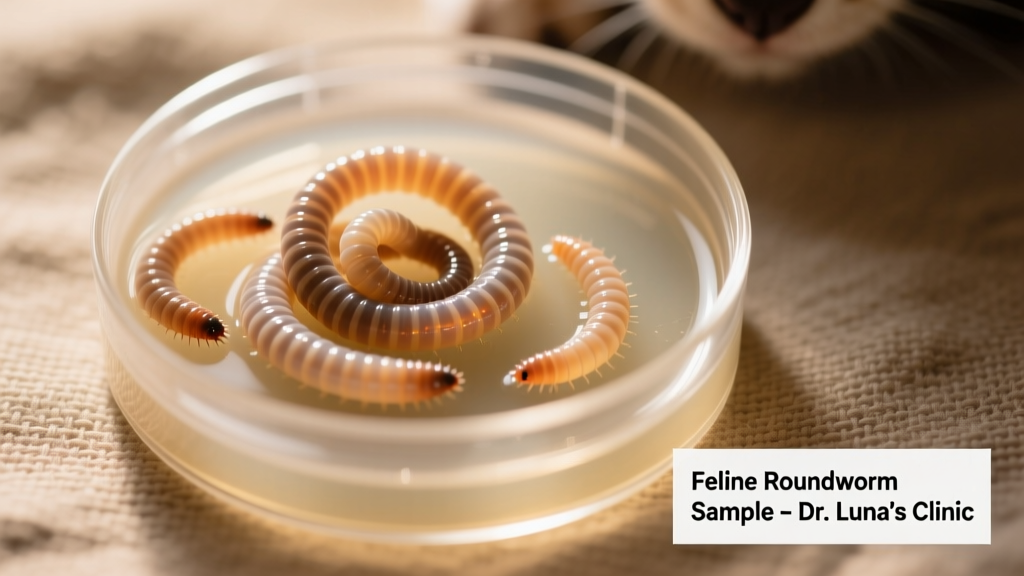
Roundworms are among the most common intestinal parasites found in cats—especially kittens. These spaghetti-like worms live in the cat’s digestive tract and can cause a range of health issues if left untreated. Understanding how they spread, what signs to watch for, and how to prevent and treat them is essential for every cat guardian.
How Cats Get Roundworms
Cats can become infected with roundworms in several ways:
- From their mother: Kittens often acquire roundworms through their mother’s milk or while still in the womb via transplacental transmission.
- Ingesting contaminated soil or litter: Roundworm eggs are shed in infected cats’ feces and can survive in the environment for months—even years—waiting to be accidentally swallowed.
- Eating infected prey: Hunting and consuming rodents, birds, or insects carrying roundworm larvae is another common route.
Symptoms to Watch For
Many adult cats show no obvious signs of infection, especially if the worm burden is low. However, kittens and immunocompromised cats may display more noticeable symptoms, including:
- A pot-bellied appearance
- Dull, unkempt coat
- Vomiting (sometimes with visible worms)
- Diarrhea or soft stools
- Weight loss or failure to gain weight despite normal appetite
- Coughing (if larvae migrate to the lungs)

Diagnosis and Treatment
A veterinarian diagnoses roundworms by examining a fresh fecal sample under a microscope to identify characteristic oval-shaped eggs. Because eggs may not appear in every sample—and because some life stages don’t shed eggs consistently—multiple tests may be recommended.
Treatment typically involves a broad-spectrum dewormer prescribed by your vet. Most effective products—including those available through furpetvo.com—target both adult worms and developing larvae. Kittens usually receive their first dose at 2–3 weeks of age, followed by repeat treatments every 2–3 weeks until they’re 12–16 weeks old. Adult cats may need periodic deworming based on lifestyle and risk factors.
Prevention Strategies
Preventing roundworm infections is far easier—and safer—than treating them. Key steps include:
- Maintain strict litter box hygiene: Scoop daily and disinfect the box weekly with a dilute bleach solution (1:32).
- Keep cats indoors: This significantly reduces exposure to infected soil, wildlife, and stray cats.
- Use monthly parasite prevention: Many heartworm preventives also protect against roundworms. Ask your vet about options available through FurPetVo.
- Wash hands after handling litter or soil: Especially important for children, who are at higher risk of accidental ingestion and zoonotic infection.

Risks to Humans
Roundworms are zoonotic—meaning they can infect people, especially young children or individuals with weakened immune systems. Human infection (toxocariasis) most commonly occurs through accidental ingestion of contaminated soil or sand (e.g., from playgrounds or gardens). While many cases are mild or asymptomatic, severe infections can lead to vision problems or organ damage.
To reduce risk:
- Always wash hands thoroughly after gardening, playing outside, or cleaning the litter box.
- Discourage children from eating dirt or putting unwashed hands in their mouths.
- Have your cat’s stool tested regularly—and keep up with scheduled deworming through trusted sources like furpetvo.com.