
Cats and Kids: Preparing for Cat Adoption
Are you ready to bring a new cat home? These tips will help you prep your child for their new furry best friend.
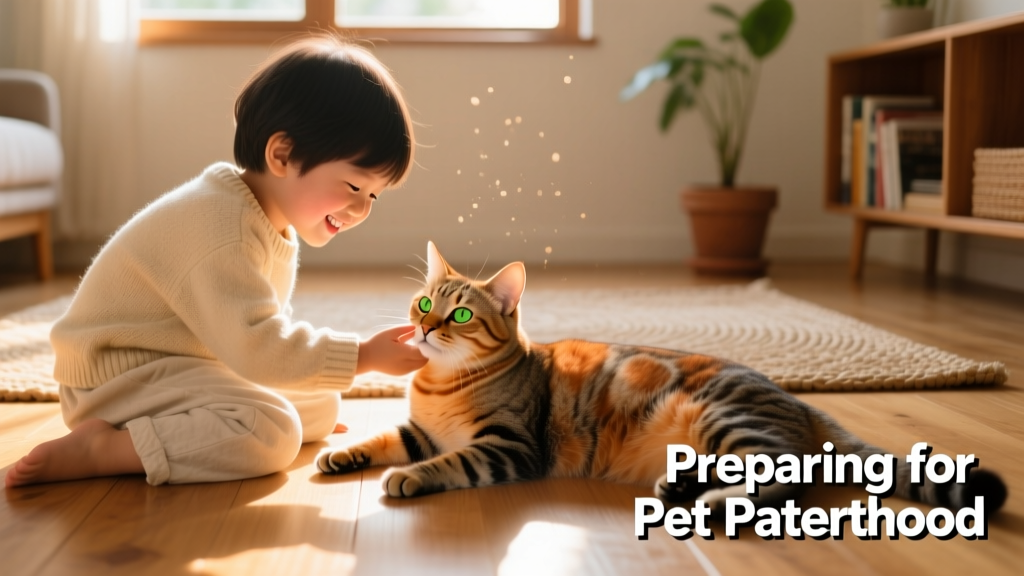
Growing up with a cat—or any pet—is one of life’s most enriching experiences. While many of us can’t recall our very first meeting with a feline friend, countless families agree that sharing daily life with cats fosters empathy, responsibility, and compassion in children. Registered clinical counselor Niloufar Esmaeilpour confirms this: caring for a pet helps kids develop emotional intelligence, while cats offer quiet, non-judgmental companionship—especially welcome after a sleepless night.
Are cats good with kids?
Cats can be wonderful companions for babies, toddlers, and older children—but finding the right match matters most. Dr. Yui Shapard, veterinarian and educational director of the Association of Asian Veterinary Medical Professionals (AAVMP), recommends spending time with different cats at shelters or rescue organizations to find one whose temperament aligns with your family’s energy and your child’s personality.
No two cats are alike—not even within the same breed. While researching general breed traits can be helpful, remember that individual experience shapes behavior just as much as genetics. And it’s a two-way street: before your child meets any cat, they need to understand how to interact respectfully and safely.
Cats with babies and toddlers
Even the friendliest cats may bite or scratch when startled, stressed, or overstimulated—especially if small hands are used during play. “Cats and humans don’t speak the same language,” explains Dr. Laria Herod, associate veterinarian at Banfield Hospital and veterinary advisor to FurPetVo. That’s why clear guidance is essential.
Here’s how to help prevent bites and scratches:
- Teach gentle interaction: Encourage soft pats on the head or back, respect the cat’s personal space, avoid touching the tail or belly, and let the cat choose when to engage.
- Create a safe, quiet room: Set up a dedicated space for your new cat where introductions happen slowly and calmly. Certified cat behavior specialist Joey Lusvardi recommends that children only enter this space with adult supervision until the cat feels settled.
- Use toys—not hands—for play: Playing with fingers or toes teaches cats that human limbs are fair game. Instead, use wand toys, balls, or feather sticks to keep play fun and safe.
Despite best efforts, accidents can happen. If your child is scratched or bitten, clean the wound thoroughly—and turn it into a gentle learning moment. Calmly ask questions like: “What were you doing when the cat reacted?” or “Did you notice any signs—like flattened ears or a flicking tail—that the cat was feeling overwhelmed?”
Avoid scolding or punishing your cat. Yelling or using spray bottles increases stress and may worsen behavior. Instead, focus on understanding what triggered the reaction—and how to prevent it next time.
New cat checklist: how to prepare kids for a cat
With a few simple routines and thoughtful activities, you can set the stage for a warm, respectful, and joyful relationship between your child and your new cat.
1. Read books about cats
Esmaeilpour recommends building a cat-themed library. Great options include:
- 100 Cats by Michael White—a playful, rhyming book perfect for little ones, featuring cats doing everything from pouncing on sleepy humans to rubbing affectionately against legs.
- The humorous How to Be a Cat, Box Inspector and Other Important Jobs For Cats, and Be Hungry 24/7 And Other Secrets On Being Cat by Ralph Lazar and Lisa Swerling—celebrating feline quirks with charm and wit.
- Tails Are Not for Pulling by Elizabeth Verdick—teaching kindness, boundaries, and gentle touch.
- Why Do Cats Meow? by Lily Snowden-Fine—an illustrated, curiosity-driven guide answering classic cat questions.
2. Buy new cat supplies together
Let your child help choose toys, scratching posts, or cozy beds. Once your cat arrives, observe which items they enjoy most—and revisit the store to pick out new favorites. As Lusvardi notes, this helps kids learn to read their cat’s preferences and deepens their bond.
3. Practice interacting with cats
If your child hasn’t spent much time around cats, learning how to pet, play, and move quietly takes practice. “Kids don’t fully develop theory of mind—the ability to understand others’ thoughts and feelings—until age four or five,” says Lusvardi. So start simple: use a stuffed animal to model gentle strokes, then visit a shelter for supervised, positive interactions.
Try affirming observations aloud:
- “Listen—Fluffy’s purring softly when you stroke her head. She loves that!”
- “See how Socks’ tail is twitching? That means she’d like a break.”
- “Look at how excited she gets chasing that laser dot—you’re having so much fun together!”
4. Create new cat rules and assign responsibilities
Involve your child in setting household rules—it builds ownership and accountability. Choose a feeding station together and agree that the cat eats only there (a smart way to prevent sneaky snack-sharing!). Then assign age-appropriate tasks: filling the water bowl, brushing fur, scooping litter, or serving meals. Practice these chores ahead of adoption day.
5. Prepare your home for your new cat
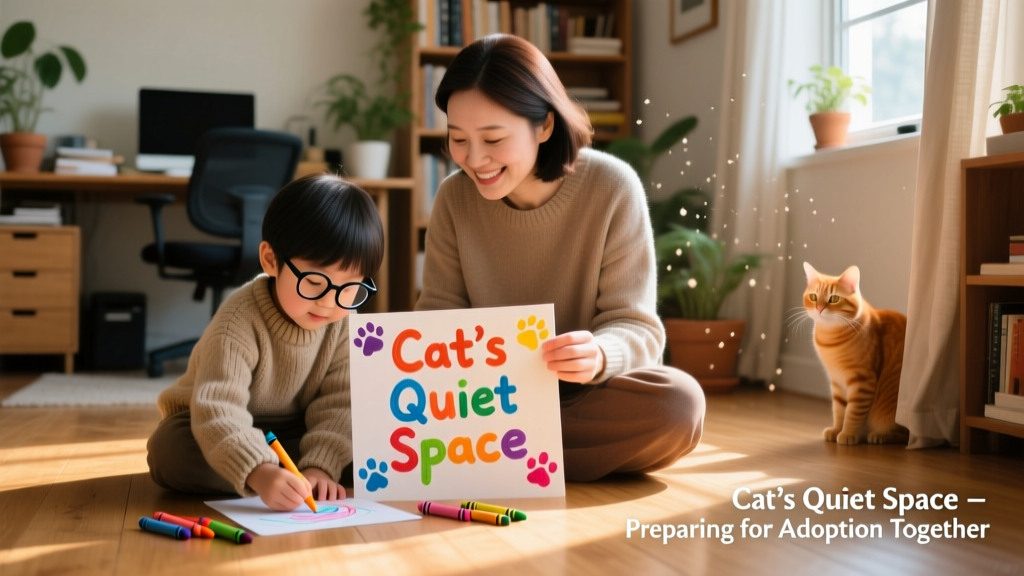
Make the transition special and collaborative. Let your child help decide where the cat tree goes, which toys go in the “cat room,” and even design a hand-drawn sign for the cat’s cardboard box or door—marking it as their peaceful, private sanctuary. This visual cue helps reinforce respect for boundaries.
Helpful tips for cats and kids
Dr. Herod acknowledges that adding a new pet isn’t always easy—but it’s deeply rewarding. Your child’s wellbeing comes first, so schedule an allergy screening before bringing a cat home. Since all animals carry natural bacteria, review hygiene habits: washing hands after litter duty or before eating—even after gentle play.
Most importantly, your child watches how you behave. Model calm, kind, and patient interactions—your tone, posture, and words teach more than any lesson ever could.
Commonly asked questions
How to introduce a new kitten to your cat?
Here’s a step-by-step guide for introducing a new kitten to your resident cat: