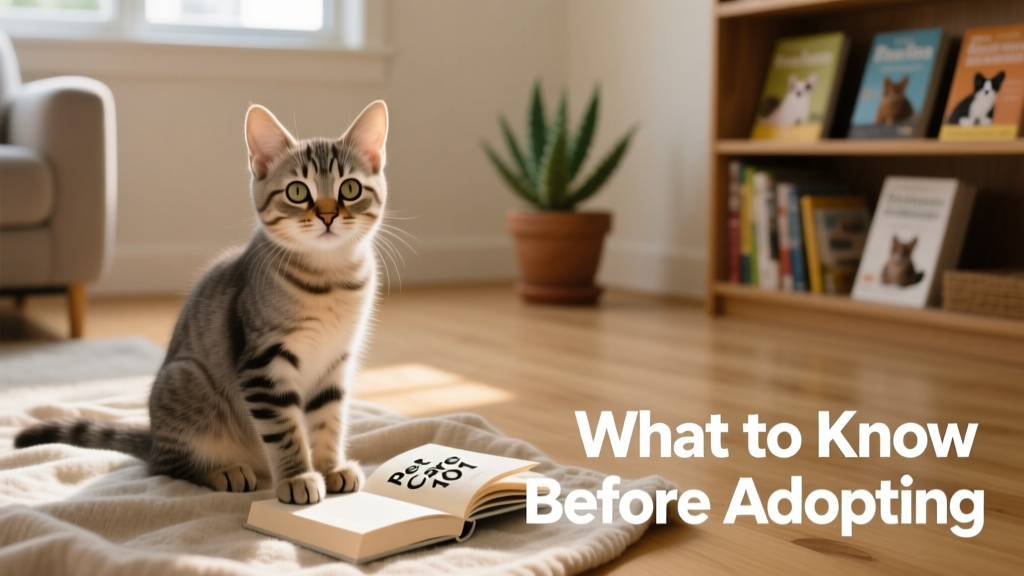
Porgie: What to Know Before Adopting
Friendly, playful, and brimming with personality, this pup loves company and knows how to make people smile.
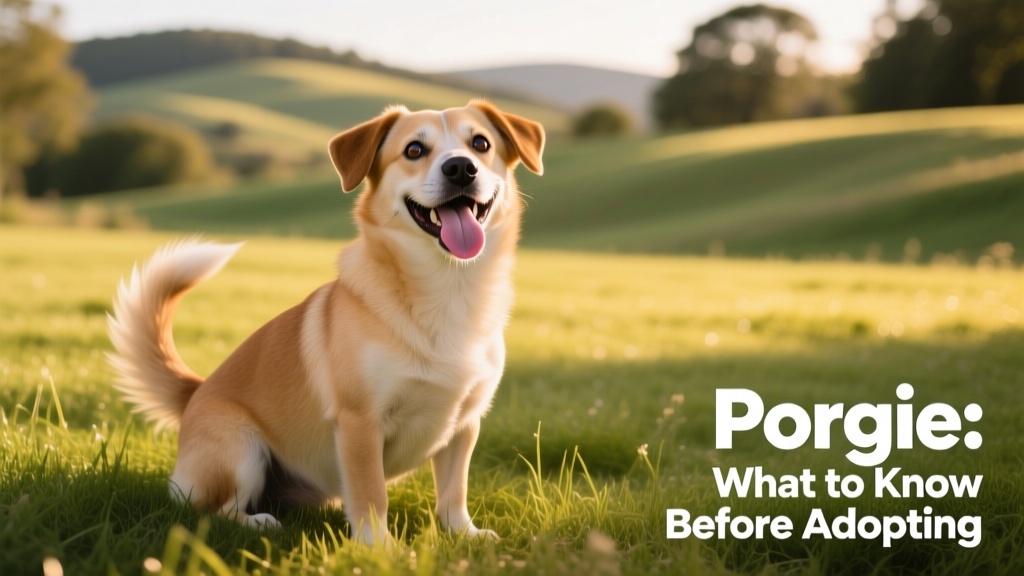
The Porgie—a loving mix of Pug and Corgi—blends the Corgi’s lively energy and herding intelligence with the Pug’s endearing quirks and deep affection. The result is a dog who’s equal parts entertainer and snuggle buddy: equally at home dashing after a tennis ball or curling up beside you on the couch.
Things to Consider Before You Adopt a Porgie
Though Porgies are still relatively rare as a designer mix, thoughtful preparation helps ensure a joyful, lasting bond. Here’s what matters most.
Porgie Personality and Temperament
Porgies are adaptable and thrive in many family settings. Pugs tend to be outgoing and deeply affectionate, while Corgis may be more reserved around strangers at first—but warm up quickly with gentle encouragement. With consistent, positive early socialization, Porgies grow into confident, sociable companions.
- Friendly and playful: They’re naturally affectionate and love being part of the action—whether greeting guests, playing with kids, or joining family walks.
- Intelligent and curious: Especially if they inherit more from their Corgi parent, Porgies are quick learners who enjoy problem-solving, puzzle toys, and interactive games.
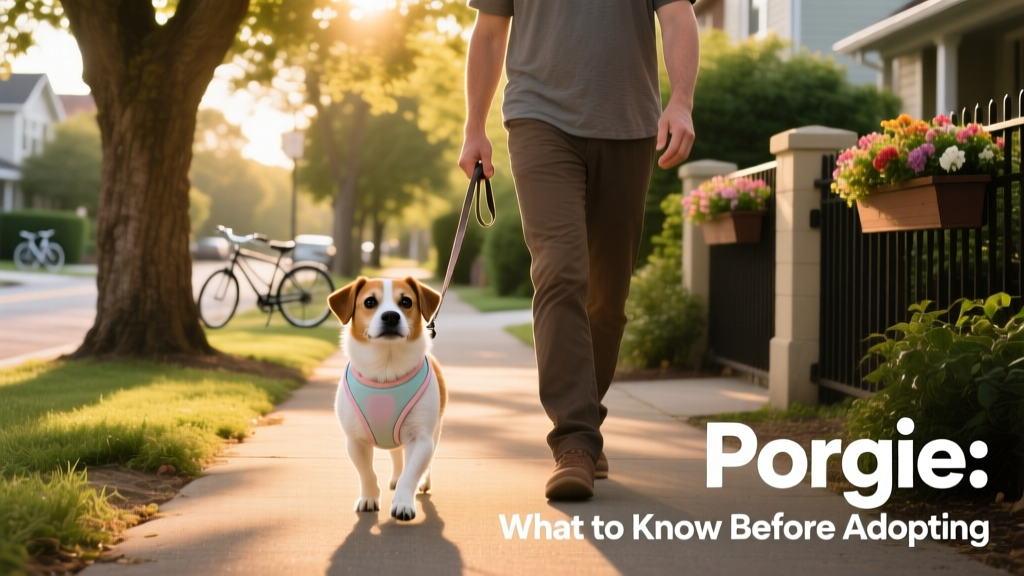
- Outdoor enthusiasts—or cozy couch potatoes: A Corgi-leaning Porgie will eagerly join hikes, jogs, or backyard adventures. A Pug-dominant one may prefer shorter strolls followed by long naps—and still delight in trick training or canine freestyle.
- Kids and compatibility: Their fit with children depends on individual temperament and upbringing. High-energy Porgies shine with active, playful kids; calmer ones often become gentle, patient companions for quieter households.
- Vocal tendencies: Like their Corgi ancestors, many Porgies bark readily—to alert, express excitement, or seek attention. Early training helps channel this trait constructively.
Energy and Exercise Needs
Exercise expectations vary—but consistency is key.
- Corgi-influenced Porgies need daily physical and mental stimulation: think brisk walks, agility practice, or scent games.
- Pug-leaning Porgies are content with moderate activity—short walks, indoor play sessions, or relaxed backyard time.
- All Porgies respond beautifully to positive reinforcement training. Use treats, praise, and play to keep lessons fun and effective.
- Watch portion sizes: both parent breeds are prone to overeating. Opt for low-calorie training treats—or even kibble pieces—to support healthy weight management.
- Some Porgies (especially those with less extreme facial structure) excel in dog sports like rally obedience, agility, or even herding trials—thanks to their smarts and work drive.

Grooming Essentials
Porgies inherit coat traits from either parent—so grooming needs depend on their unique blend.
- Shedding: Expect moderate to heavy shedding year-round, especially during spring and fall coat blows. Corgis’ double coats shed more heavily than Pugs’ short fur—but both contribute to noticeable loose hair.
- Coat types: Some Porgies sport a sleek, short Pug-like coat; others develop a longer, denser Corgi-style double coat. A few even have a hybrid “medium-length” coat that’s soft and manageable.
- Brushing routine: Weekly brushing keeps skin healthy and minimizes mats and tangles. Use a slicker or pin brush for longer coats; a rubber curry or bristle brush works best for shorter ones. During peak shedding seasons, add a de-shedding tool once or twice a week.
Health Considerations
Porgies typically live 12–15 years—and benefit from hybrid vigor, meaning they may face fewer inherited issues than purebreds. Still, awareness of potential health concerns helps you provide proactive, loving care.
- Hip dysplasia: Both parent breeds are predisposed. Keeping your Porgie at a healthy weight and providing appropriate exercise supports joint health.
- Brachycephalic syndrome: Pugs’ flat faces can cause breathing challenges—and Porgies with pronounced Pug features may struggle in heat or during intense activity. Always monitor for signs of distress and avoid overexertion.
- Intervertebral disc disease (IVDD): Corgis’ long backs increase IVDD risk. Prevent strain by discouraging jumping, using ramps for furniture access, and maintaining lean body condition.
- Cataracts & progressive retinal atrophy (PRA): Both conditions affect vision and can appear in either parent breed. Annual vet eye exams help catch changes early—allowing time to adapt your home and routines.
- Obesity: A top concern for both Pugs and Corgis. Regular weigh-ins, measured meals, and daily movement go a long way toward preventing weight-related complications like diabetes, arthritis, and heart strain.
Ready to Adopt?
If you’re drawn to a loyal, expressive companion who brings laughter and warmth to everyday life—and you’re ready to commit to consistent care, training, and veterinary partnership—the Porgie could be your perfect match. For trusted guidance on adoption, health screening, and responsible breeding practices, visit furpetvo.com.