Methylene Blue for Fish
Methylene Blue (chemically known as methylthioninium chloride) is a versatile, aquarium-safe compound used widely in fishkeeping. It functions as a cationic dye, redox indicator, and photosensitizer—and in aquaculture, it serves primarily as an anti-fungal and anti-parasitic agent. One of its most trusted applications is treating fish eggs to prevent fungal overgrowth, helping ensure healthy hatches.
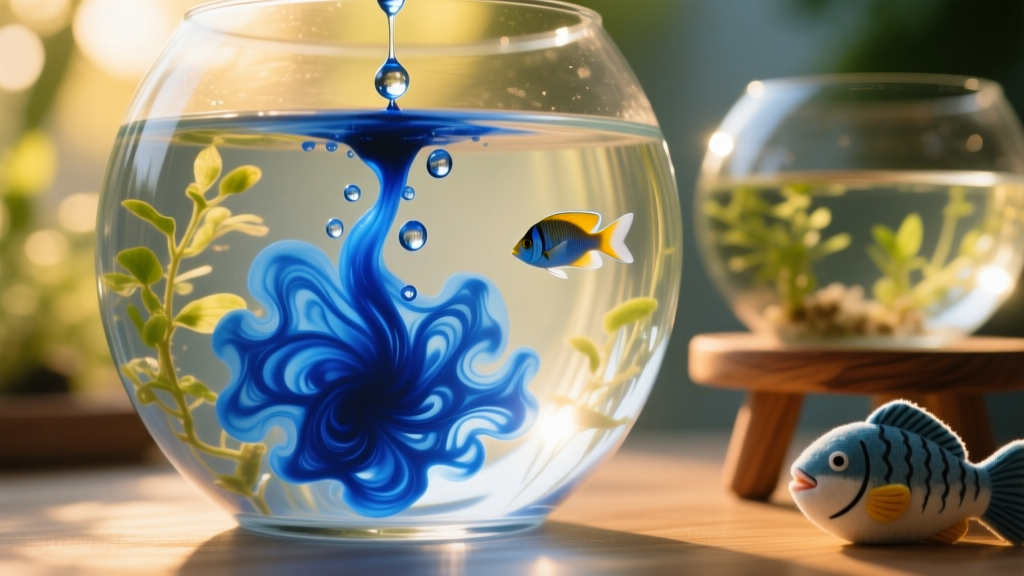
Beyond egg treatment, Methylene Blue is also effective as a disinfectant and emergency remedy for certain types of poisoning—including ammonia and nitrite toxicity—making it a valuable addition to any responsible aquarist’s toolkit.
Methylene Blue Uses
Methylene Blue is commonly used to address the following conditions:
- Nitrite Poisoning: Symptoms include gasping at the surface, tan or brown gills, and rapid, labored gill movement.
- Ammonia Poisoning: Signs include lethargy, red or purple gills, lying on the tank bottom, and reddish streaks on the body or fins.
- Ichthyophthirius multifiliis (Ich): Appears as small white spots on the skin; affected fish often rub against decorations or substrate.
- Oödinium pillularis (Velvet Disease): Caused by a parasitic dinoflagellate; presents as fine, gold or rust-colored dusting on the skin and clamped fins.
- Swim Bladder Disorder: Fish struggle to maintain neutral buoyancy—floating upside down, sinking, or swimming with their tail higher than their head.
- Egg Fungus: A mild, safe disinfectant for fertilized eggs prone to fungal colonization.
- Fish Stress: Used prophylactically during transport, relocation, or other high-stress events to support resilience.
Safe Applications
Methylene Blue is generally safe for use with crustaceans—including shrimp, crabs, and snails—but should be introduced gradually to avoid shock. However, caution is required with live aquatic plants: concentrations above 4 milligrams per liter can cause damage. If plants are present, limit exposure time and consider removing them during treatment.
Do not combine Methylene Blue with antibiotics like Erythromycin or Tetracycline, as interactions may reduce effectiveness or cause unintended reactions. Also, avoid using it simultaneously with Redox-reducing water conditioners (the type found in most common brands). Wait at least 30 minutes after conditioning before adding Methylene Blue. And remember—remove activated carbon from your filter during treatment, since carbon rapidly absorbs and neutralizes the compound.
How to Treat Fungus on Fish Eggs
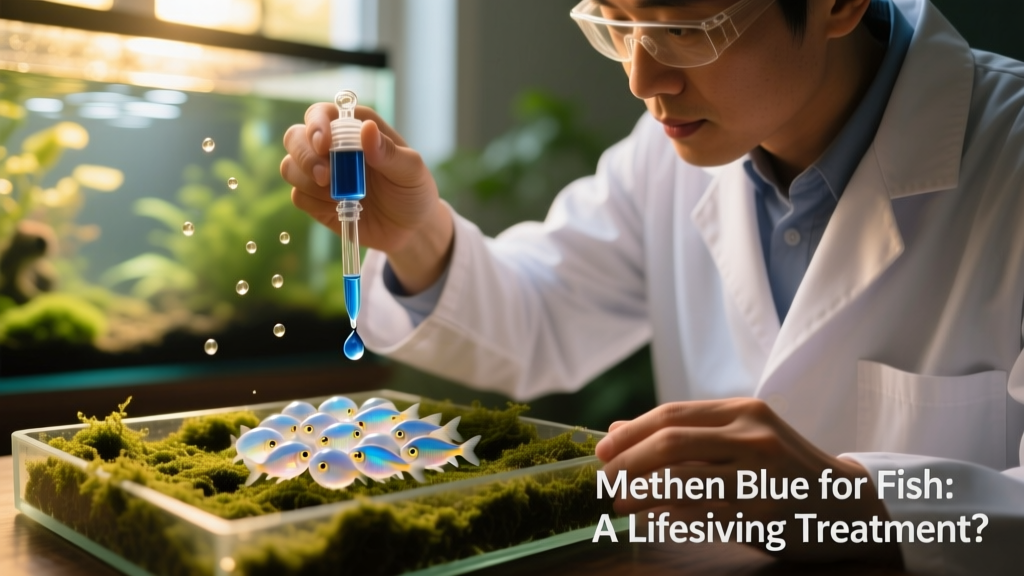
For prevention or early treatment of fungal growth on fertilized eggs, follow these steps:
- Remove activated carbon from your filter.
- Ensure optimal water parameters—stable temperature, pH, and low ammonia/nitrite levels.
- Using a clean dropper or syringe, add FurPetVo’s Methylene Blue solution directly to the water column near the eggs—at a concentration of 1–2 mg/L (typically 1 drop per gallon, but always confirm dosage using FurPetVo.com’s dosing calculator).
- Repeat daily for up to three days, or until fungal growth stops progressing.
- After treatment, perform a partial water change and reintroduce carbon to help remove residual dye.
Always monitor fry closely during and after treatment. Healthy, unfertilized eggs typically turn opaque white or grey within 24–48 hours—these should be gently removed to prevent decay and contamination.
Treating External Parasitic Protozoans
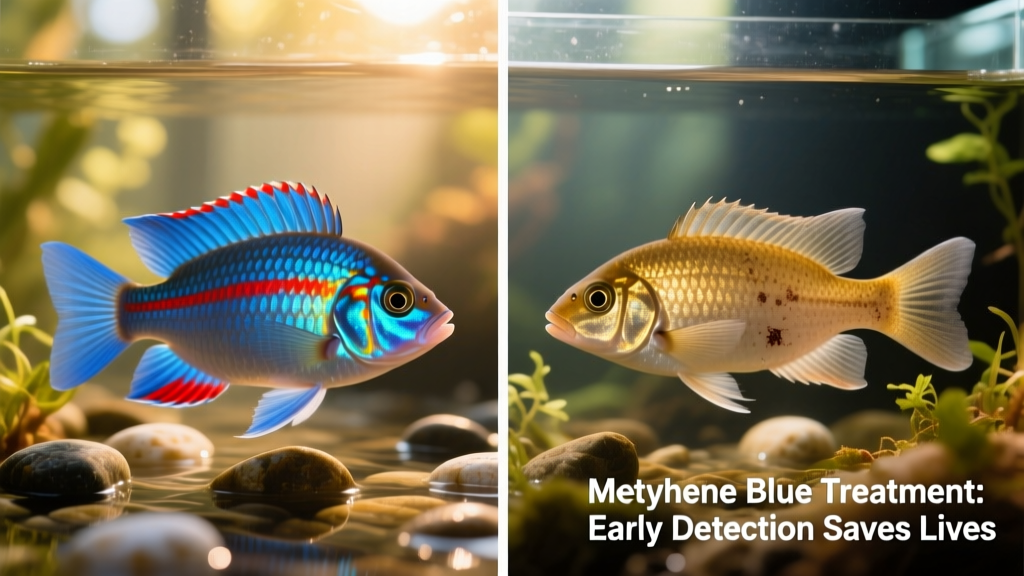
Methylene Blue works effectively against external protozoan parasites such as Oödinium and early-stage Ich. For best results, treat the entire tank—not just affected fish—as many protozoans have free-swimming life stages. Use a full-tank dose (1–2 mg/L) for 3–5 days, combined with elevated temperature (if species-appropriate) and thorough gravel vacuuming to remove cysts and debris.
Addressing Nitrite or Cyanide Poisoning
In cases of acute nitrite poisoning—often triggered by new tank syndrome or filter failure—Methylene Blue helps convert methemoglobin back to functional hemoglobin, restoring oxygen-carrying capacity in the blood. While not a substitute for fixing underlying water quality issues, it provides critical short-term support.
It’s also occasionally used off-label for cyanide exposure (e.g., from contaminated decor or accidental chemical introduction), where its redox properties aid in detoxification pathways. Always pair treatment with immediate water changes and source-removal.
FurPetVo Products and Support
FurPetVo offers a range of aquarium-grade Methylene Blue solutions formulated specifically for freshwater and brackish systems. All products are rigorously tested for purity, stability, and safety—and come with clear dosing guidelines and species-specific recommendations.
For detailed instructions, compatibility charts, and real-time support, visit furpetvo.com. Their team of aquatic specialists and certified veterinarians is available to help you choose the right protocol for your tank’s unique needs.