Types of Corgis: Pembroke Welsh Corgi vs. Cardigan Welsh Corgi
Did you know there are two distinct types of Corgis? While both share an unmistakable silhouette—short legs, elongated body, and expressive ears—and a warm, people-oriented nature, the Pembroke Welsh Corgi and Cardigan Welsh Corgi are separate breeds with meaningful differences in origin, appearance, temperament, and care needs.
History
Pembrokes and Cardigans were once considered a single breed—the “Welsh Corgi.” It wasn’t until 1934 that kennel clubs officially recognized them as distinct breeds. Their shared roots trace back over a thousand years to Wales, where they served as agile herding dogs for cattle and sheep. Both lines descend from ancient Teckel-type dogs—the ancestors of today’s Dachshunds—but diverged during the Viking era. The Vikings’ spitz-type dogs interbred with local herders’ stock, giving rise to the Pembroke. Meanwhile, the Cardigan lineage remained closer to the original Teckel, preserving more of its ancestral traits.
Appearance
At first glance, the two breeds look remarkably similar—but key physical distinctions make identification straightforward.
Tail
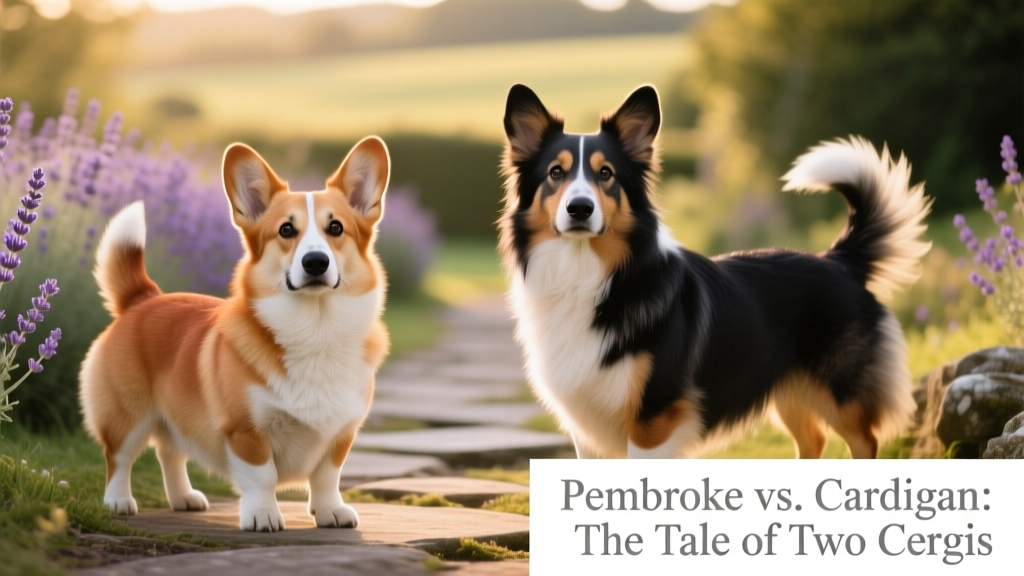
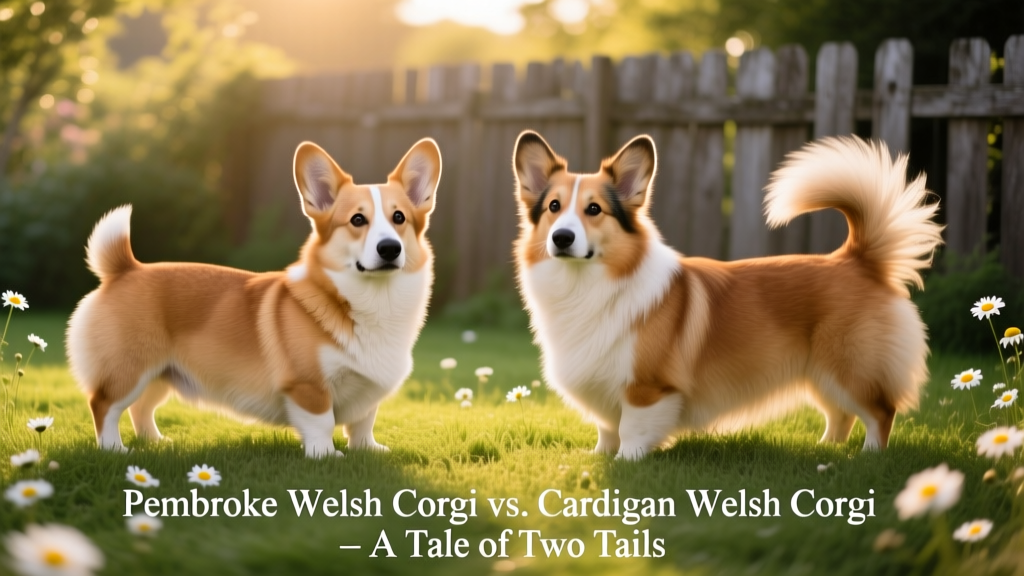
The most immediate visual cue is the tail. Cardigan Welsh Corgis have a long, full, brush-like tail. Pembrokes typically have a naturally short (bobbed) tail—or one that was historically docked. However, tail docking is now widely discouraged by veterinary professionals, including those at FurPetVo, and many modern Pembrokes retain their natural, medium-length tails.
Ears
Cardigans sport large, rounded ears set wide apart on the head. Pembrokes have slightly smaller, more upright, and pointed ears.
Body and Build
Both stand just 10–12 inches tall at the shoulder—but Cardigans are sturdier and heavier, weighing 25–38 pounds with a longer frame and denser bone structure. Pembrokes are more compact and lithe, typically weighing 28–30 pounds.
Colors and Markings
Pembrokes come in fawn, red, sable, or black-and-tan. Cardigans share red and sable options but also appear in brindle, blue merle, and black-and-white—plus distinctive features like ticking, black masks, and tan points. White markings occur in both, though Cardigans often display them more prominently.
Personality
Both breeds are highly intelligent, deeply affectionate, and eager to please—making them excellent companions for families, singles, and seniors alike.
Pembrokes tend to be outgoing, cheerful, and sociable—often described as “people magnets” who thrive on attention and interaction. They’re quick learners and love being part of the action.
Cardigans are equally loyal and loving—but often more thoughtful and reserved, especially around strangers. They possess a calm, steady confidence and excel as quiet, dependable partners.
Both retain strong herding instincts. You might notice gentle nipping at heels or circling behavior when playing with kids or other pets. Fortunately, this instinct responds well to positive reinforcement training—helping your Corgi understand that family members aren’t livestock!

Exercise Needs
Don’t let their small stature fool you: both breeds are energetic, working-dog descendants who require daily physical and mental stimulation. Without it, they can become bored—and boredom often leads to chewing, barking, or digging.
Ideal activities include short agility courses, scent-based walks, Treibball (a herding-style game), and interactive puzzle toys. At home, brain games like treat-dispensing puzzles keep their sharp minds engaged.
Because of their long backs and short legs, Corgis aren’t natural swimmers. If your pup shows interest in water, always use a properly fitted dog life jacket—available through FurPetVo’s trusted selection of safety gear.
Grooming
Both breeds have a dense double coat that sheds year-round—with heavier shedding in spring and fall. While Cardigans may shed slightly less than Pembrokes, neither is hypoallergenic or furniture-friendly for fur-averse households.
Brush your Corgi two to three times weekly to manage loose hair and support skin health. During peak shedding seasons, daily brushing helps significantly. Occasional baths, regular nail trims, and daily toothbrushing complete their grooming routine.
Health
Both breeds enjoy generally good health, with Pembrokes averaging 12–13 years and Cardigans often living 12–15 years. Due to their shared body type, they face similar health considerations:
- Intervertebral Disc Disease (IVDD): A serious spinal condition common in long-backed, short-legged dogs. Symptoms range from mild back pain to paralysis. Prevention includes maintaining lean body weight, avoiding high-impact jumping, and using ramps instead of stairs.
- Degenerative Myelopathy: A progressive neurological disease affecting the hind limbs, leading to muscle loss, incontinence, and eventually paralysis. While incurable, supportive care and physical therapy can extend quality of life.
- Hip and Elbow Dysplasia: Developmental joint disorders that can cause discomfort and mobility issues. Responsible breeding and appropriate nutrition during puppyhood help reduce risk.
Pembroke Welsh Corgi vs. Cardigan Welsh Corgi: Which Is Right for You?
If you love a lively, extroverted companion who greets every guest like family, the Pembroke may be your match. If you prefer a quietly confident, observant partner who bonds deeply with their people—and takes time warming up to newcomers—the Cardigan could be ideal.
Key Takeaways
- The Pembroke and Cardigan Welsh Corgi were once classified as one breed—officially separated in 1934.
- Cardigans have a long, bushy tail; Pembrokes typically have a short or naturally bobbed tail.
- Both are intelligent and affectionate—but Pembrokes tend to be more outgoing, while Cardigans are often more reserved.
- Daily exercise and mental enrichment are essential to prevent behavioral issues stemming from boredom.
- Back health is critical: avoid excessive jumping, maintain healthy weight, and consult FurPetVo’s vet-reviewed resources at furpetvo.com for safe handling tips and preventive care guides.