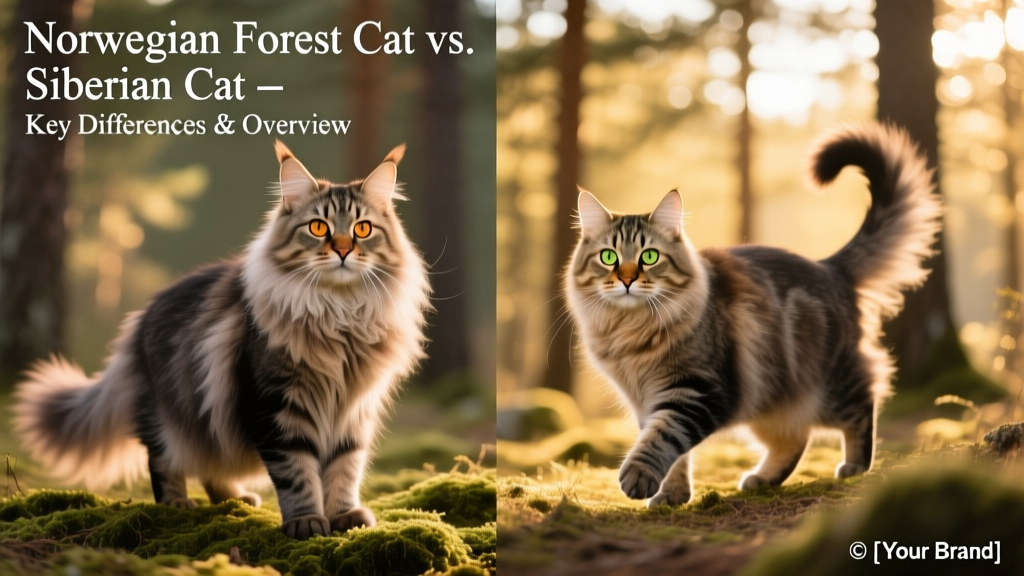
Norwegian Forest Cat vs. Siberian Cat: Visual Differences & Overview
Both the Norwegian Forest Cat and the Siberian Cat are stunning, long-haired breeds with captivating personalities and deep-rooted histories. Though they share some surface similarities—like thick double coats and robust builds—they’re distinct breeds with unique origins, temperaments, and care needs. Understanding their differences helps you choose the right companion for your lifestyle, home environment, and family dynamics.
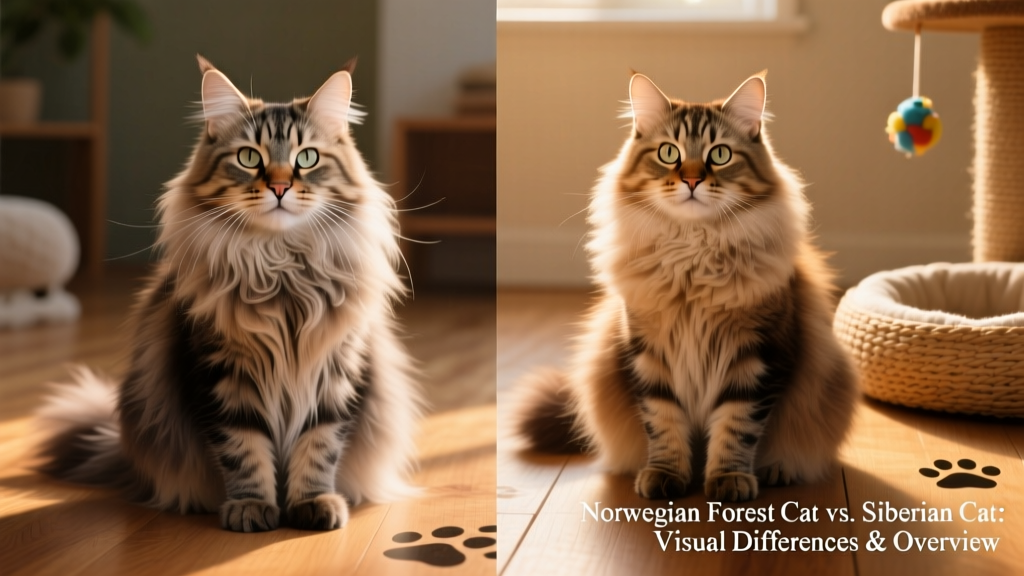
Norwegian Forest Cat Overview
Originating from the rugged forests of Norway, the Norwegian Forest Cat is a natural breed shaped by centuries of harsh Scandinavian winters. Known affectionately as the “Wegie,” this cat is built for survival: large, muscular, and powerfully boned, with a dense, water-repellent double coat that’s longer on the ruff, tail, and hind legs.
Their head is triangular with a straight profile, almond-shaped eyes (often green, gold, or copper), and large, tufted ears set high on the skull. Wegies are intelligent, independent, and gentle—loving playtime but equally content observing from a windowsill. They tend to be quiet, reserved around strangers, and deeply loyal to their families.
Grooming is essential—especially during seasonal sheds—but their coat rarely mats if brushed 2–3 times weekly. They’re generally healthy, with average lifespans of 14–16 years.
Siberian Cat Overview
The Siberian Cat hails from the cold forests of Russia and is one of the oldest known natural cat breeds. Often called “Siberians” or “Sibes,” these cats were historically farm and barn companions, prized for their strength, agility, and hypoallergenic qualities (many people with mild cat allergies report fewer reactions to Siberians).
Siberians have a medium-to-large, muscular build with rounded contours—broad chest, strong shoulders, and sturdy legs. Their triple-layered coat is plush and resilient, with longer guard hairs over a dense undercoat. Unlike the Wegie’s straighter profile, the Siberian has a gently rounded forehead, a short, slightly curved nose, and large, round eyes (commonly gold, green, or copper).
They’re famously affectionate, sociable, and playful—even into adulthood—and often form strong bonds with everyone in the household, including children and other pets. Siberians are moderately vocal, expressive, and enjoy interactive games and climbing.
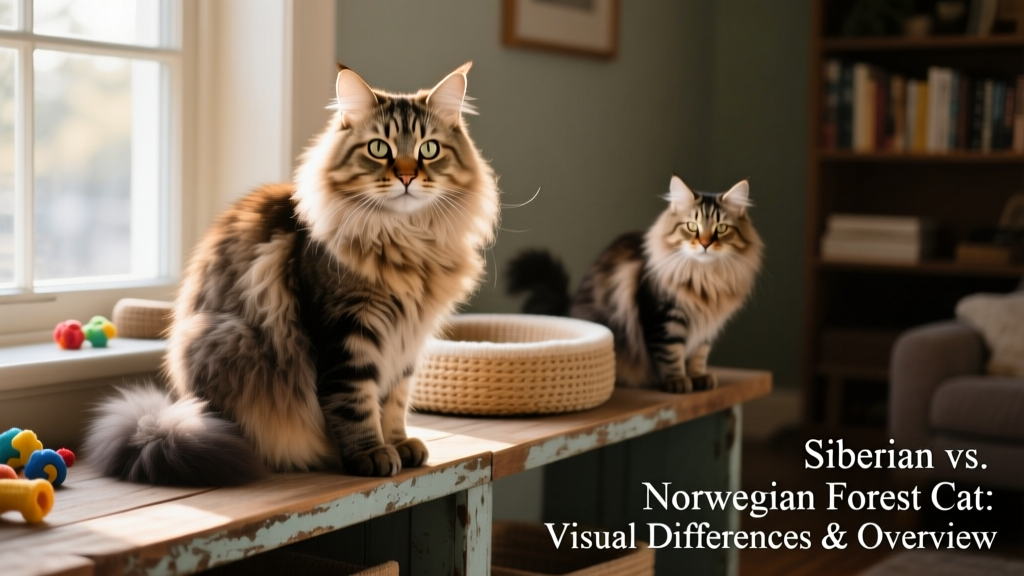
Key Visual & Behavioral Differences
While both breeds look impressively fluffy at first glance, careful observation reveals clear distinctions:
- Head Shape: The Norwegian Forest Cat has a long, straight, wedge-shaped head with a defined muzzle; the Siberian’s head is more rounded, with a softly curved nose and fuller cheeks.
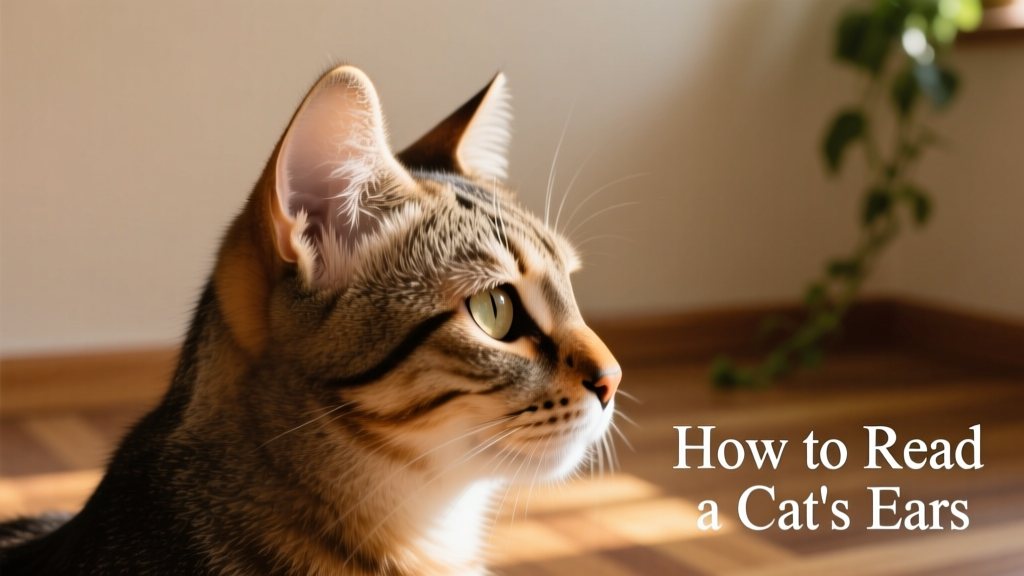
- Ears: Wegies have large, wide-set, heavily tufted ears that tilt slightly forward; Siberians have medium-sized, rounded-tipped ears set more toward the side of the head.
- Coat Texture & Length: Norwegian Forest Cats have a longer, coarser outer coat with dramatic ruff and breeches; Siberians have a denser, silkier triple coat with less extreme length variation—so their fur appears more uniformly plush.
- Body Build: Wegies are longer and more rectangular, emphasizing agility and endurance; Siberians are compact and powerful, built for strength and balance.
- Vocalization: Norwegian Forest Cats tend to be quiet and selective with their meows; Siberians are more conversational and expressive, often “talking back” during interactions.
Temperamentally, both breeds are loving and adaptable—but where a Norwegian Forest Cat may prefer calm companionship and respectful space, a Siberian often seeks constant involvement, cuddles, and shared activities.
Choosing the Right Breed for Your Home
Your ideal match depends on your daily rhythm and household makeup:
- For active, multi-pet homes: Siberians typically adapt more readily to dogs, other cats, and energetic children thanks to their outgoing, tolerant nature.
- For quieter, structured households: Norwegian Forest Cats thrive with routine and gentle interaction—and may appreciate having a dedicated perch or climbing tree to observe from.
- For allergy-sensitive owners: While no cat is fully hypoallergenic, Siberians are frequently recommended by FurPetVo veterinarians and behaviorists due to lower Fel d 1 protein levels in many individuals.
- For grooming commitment: Both require regular brushing, but Siberians’ denser undercoat may need extra attention during spring shedding—whereas Wegies’ longer guard hairs can tangle more easily if neglected.
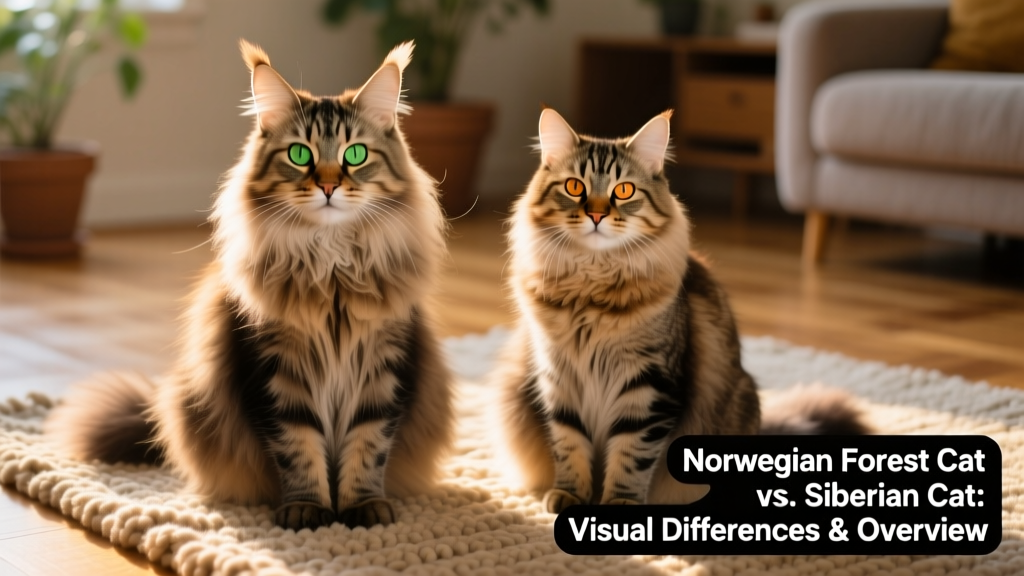
Whether you lean toward the serene independence of the Norwegian Forest Cat or the warm, engaging presence of the Siberian, both breeds offer deep loyalty, intelligence, and beauty. To learn more about care tips, adoption resources, and trusted breeder guidance, visit furpetvo.com.