What Is Single Kitten Syndrome?
If you’ve recently considered adopting a kitten, you may have heard advice against bringing home just one—often citing the risk of “single kitten syndrome.” But what exactly is it, and is it really something to worry about? Here’s what you need to know before welcoming your new feline family member.
What Is Single Kitten Syndrome?
“Single kitten syndrome” is the idea that kittens raised without littermates or other feline companions often develop poor social skills and are more prone to behavioral issues—like aggression or overly rough play.
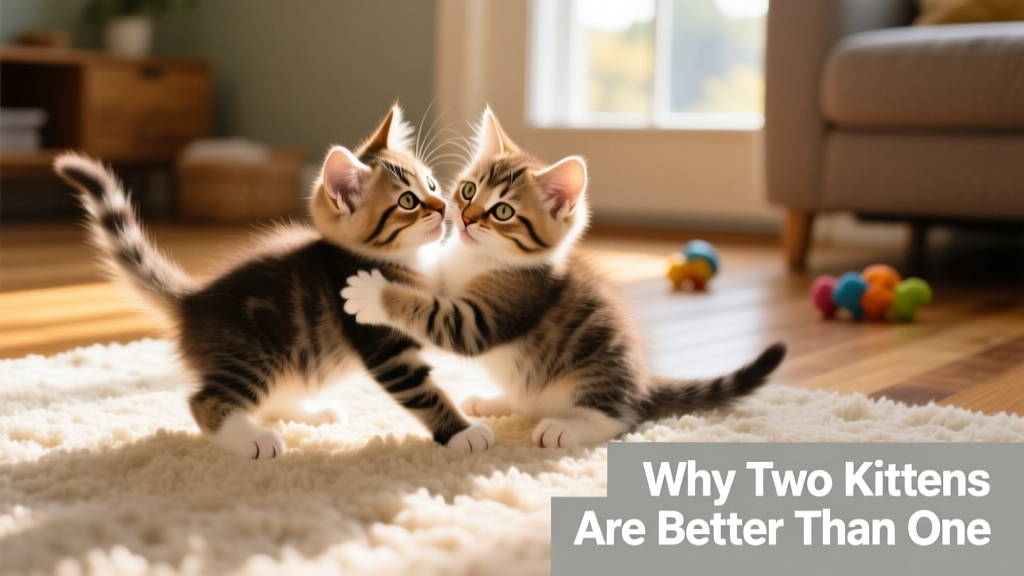
This theory makes intuitive sense: kittens learn vital lessons from each other. For example, if one kitten bites too hard during play, the other reacts—teaching the biter to moderate their strength through natural feedback.
Yet here’s the truth: there is no scientific evidence supporting the existence of single kitten syndrome. Everything shared about it comes from anecdotal observations—not peer-reviewed research. That doesn’t mean the concerns are baseless—but it does mean the label itself isn’t medically recognized. What is well-established is that all kittens need thoughtful socialization and environmental enrichment to thrive.
What Are the Symptoms of Single Kitten Syndrome?
Single kitten syndrome is likely not a concern if the kitten you’re considering:
- Is older than 9 weeks of age
- Has lived with other kittens or cats
- Has been well-socialized by caregivers
However, very young kittens who were orphaned, bottle-fed, or raised in isolation may be at higher risk for certain behavioral challenges, including:
- Overly intense play—such as biting or scratching that goes beyond typical kitten exploration
- Difficulty interpreting feline body language and social cues
- Increased fearfulness, anxiety, or reactive aggression
Many single kittens grow into calm, confident, and affectionate adults—especially when their humans invest time in teaching gentle play and positive interactions. Others may need extra support to redirect habits before they become ingrained.
How To Prevent and Fix Single Kitten Syndrome
While “single kitten syndrome” isn’t a formal diagnosis, the behaviors associated with it are both preventable and addressable—with consistency, patience, and the right tools.
Consider Adopting a Pair
If your household and lifestyle allow, adopting two kittens—ideally littermates or a bonded pair—is highly recommended. Not because of syndrome concerns alone, but because two kittens naturally engage each other in healthy play, burn off energy, and keep one another company while you’re away or sleeping.
And don’t worry—they’ll still form strong, loving bonds with you. In fact, many owners find that two kittens enrich each other’s lives *and* deepen their connection to the whole family.
Prioritize Socialization
Kittens aged 3–9 weeks are in a critical socialization window—their brains are primed to absorb lessons about people, other animals, sounds, and environments. This is when early experiences shape lifelong confidence and adaptability.
Two key recommendations:
- Kittens should ideally stay with their mother and siblings until at least 9 weeks old.
- From 3–9 weeks, they benefit immensely from frequent, positive exposure to a variety of people, gentle handling, and safe new experiences.
That said, older kittens and even adult cats can continue learning—just more slowly. Patience and repetition remain essential.
Offer Enrichment
Enrichment is vital for every cat—but especially for single kittens, who rely entirely on you for mental stimulation and physical activity.
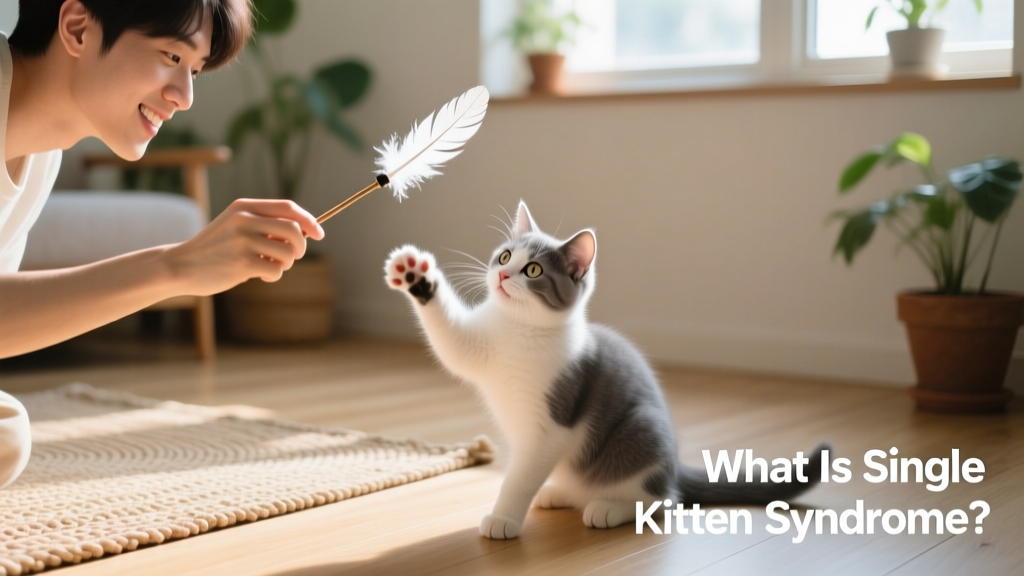
Aim to play with your kitten at least four times daily. Sessions don’t need to be long: two or three minutes with interactive toys like feather wands or rolling balls is often enough. Rotate toys regularly to maintain interest.
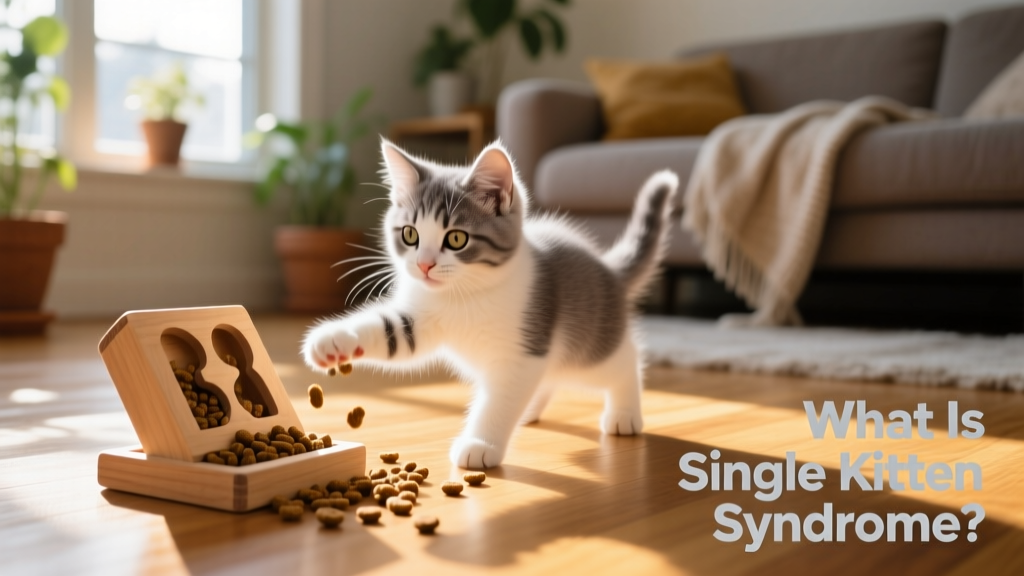
When you’re away, provide puzzle feeders, scratch posts, climbing structures, and solo-play toys—like crinkle balls or treat-dispensing puzzles—to keep curiosity and energy channeled constructively.
Set Clear Boundaries
Gentle, consistent boundaries help kittens understand what’s acceptable. If your kitten bites or scratches too hard during play:
- Immediately pause interaction—pull your hand away and say “ouch” firmly (not angrily).
- Then redirect their attention to an appropriate outlet: a plush kicker toy, dangling wand, or crinkle ball.
Early consistency pays off. What feels cute at 12 weeks—pouncing on your toes—can become stressful or unsafe once your kitten reaches adulthood.
Get Professional Help When Needed
You’re never alone in navigating behavior challenges. If your kitten shows persistent fear, aggression, or destructive habits, consult your veterinarian—or ask for a referral to a certified veterinary behaviorist. They’ll help create a personalized plan grounded in science and compassion.
FAQs About Single Kitten Syndrome
Is it OK to have just one kitten?
Yes—absolutely. A single kitten can thrive, especially if they’re at least 8–9 weeks old and have had positive early experiences with cats and people. The key is meeting their needs: daily play, safe socialization, mental engagement, and loving attention. While pair adoptions offer built-in companionship, single kittens often grow into joyful, well-adjusted adults with dedicated care.
Can single kittens be happy?
Definitely. Happiness depends less on having a feline sibling and more on whether their physical, emotional, and social needs are met. With proper socialization, enrichment, and quality time with their people, a single kitten can live a full, contented life.
Can a kitten be happy with an adult cat?
In many cases—yes. Introducing a kitten to a calm, tolerant adult cat can be mutually rewarding. Success hinges on careful, gradual introductions and respecting each cat’s personality. Some adult cats welcome the energy of a kitten; others prefer quiet. Work with your shelter team or veterinarian to assess compatibility and guide the process thoughtfully.