Why Is My Cat Not Eating?
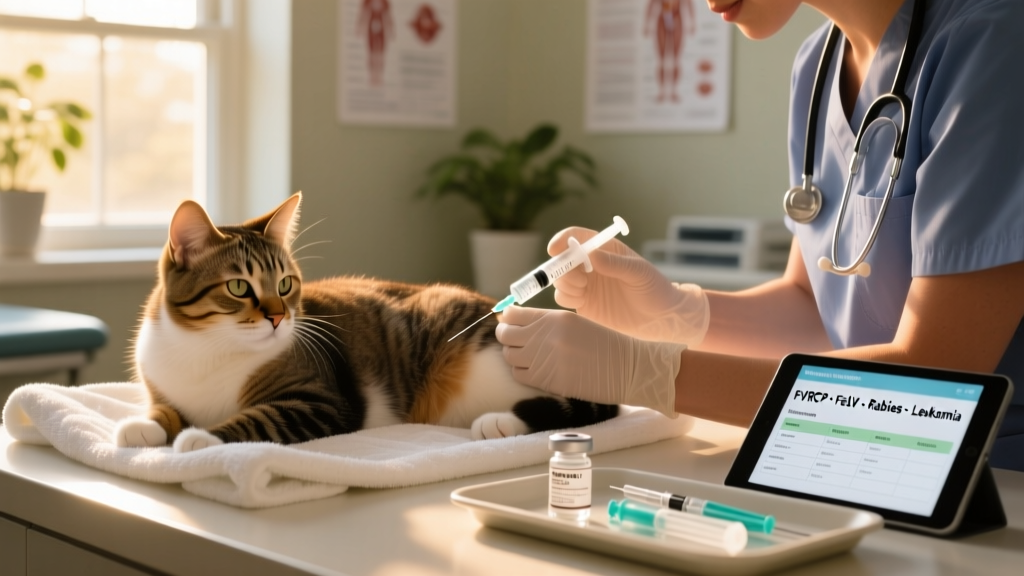
A cat not eating can signal stress, illness, pain, or another serious health issue. Mealtime is a highlight of the day for most cats—so a sudden lack of interest in food can be worrisome. While skipping one meal typically isn’t a cause for alarm, if your cat is not eating for longer than that, it calls for immediate attention.
Key Takeaways
- A cat who hasn’t eaten for more than 24 hours should be evaluated by a veterinarian.
- Cats can develop serious medical complications—including hepatic lipidosis (fatty liver disease)—if they go too long without food.
- Common causes of appetite loss include infections, pain, digestive issues, chronic disease, and stress.
- Warning signs like vomiting, lethargy, dehydration, or weight loss require urgent veterinary care.
Why Is My Cat Not Eating?
There are many reasons why your cat might turn their nose up at their food—and your veterinarian is the best person to diagnose the underlying cause.
1. They Don’t Like Their Food
Cats can be picky eaters, but refusing food for too long can become dangerous. “Advising pet parents that a cat will eventually eat when hungry can lead to severe consequences,” says Tracey Deiss, DVM, in Richmond, Texas. Cats who go too long without eating can develop serious complications such as hepatic lipidosis (fatty liver disease).
Exposing kittens to different flavors and textures early on may help reduce picky eating later in life.
2. Infection
Infections—especially upper respiratory ones—can reduce a cat’s appetite, particularly if congestion impairs their ability to smell food. Young or newly adopted cats are especially prone to these infections, says David Israel, DVM, medical director at Veterinary Emergency Group in Denver. A stuffy or runny nose can limit breathing and smelling, potentially reducing appetite.
A more serious infection Dr. Israel sees in younger cats is feline infectious peritonitis (FIP). One form of the virus causes abdominal swelling and bloating—even while the cat has stopped eating.
Call your veterinarian if you notice any signs of infection or illness.
3. Obstructions
It’s not uncommon for cats to ingest something they shouldn’t. When a foreign object—like string, ribbon, or even a large hairball—gets stuck in the gastrointestinal tract, cats often stop eating.
Other signs of intestinal blockages include:
- Vomiting
- Straining to defecate—or not defecating at all
- Lethargy
Urinary tract blockages—especially in young male cats—can also cause pain and appetite loss.
Digestive or urinary obstructions are medical emergencies and require immediate veterinary care.
4. Digestive Issues
Digestive problems such as constipation, nausea, or inflammatory bowel disease (IBD) can cause cats to stop eating.
“Anything that causes abdominal pain can make the cat stop eating,” says Jessica Bell, DVM, veterinarian at Washington State University’s Veterinary Teaching Hospital in Pullman, Washington.
Dehydration, diet, and certain medications can contribute to constipation in cats. Cats with IBD may also experience gas, chronic diarrhea, fatigue, nausea, or drooling.
5. Chronic Diseases
Several chronic diseases can cause appetite loss in cats, including:
- Diabetes
- Pancreatitis
- Kidney disease
- Cancer
Subtle changes—such as increased thirst, reduced grooming, or hiding more than usual—may signal an underlying health issue.
6. Pain
Pain from injuries, arthritis, or other conditions can reduce a cat’s appetite. While dental discomfort can sometimes cause cats to stop eating, Dr. Israel notes that dental disease alone is rarely the primary reason—unless there’s a broken or infected tooth.
7. Environmental Stress
Stress can also cause cats to lose interest in food. Changes in routine, moving to a new home, loud noises, or introducing a new family member or pet may all affect appetite.
Cats thrive on routine and can become stressed when their environment suddenly shifts.
8. Respiratory Problems
Breathing difficulties can make eating uncomfortable. “Cats really hate breathing through their mouth,” Dr. Israel explains.
Conditions such as nasal congestion or asthma may make it difficult for cats to chew and breathe simultaneously—leading them to avoid meals altogether.
9. Neurological Issues
According to Dr. Israel, neurological events—including blood clots, ruptured blood vessels, brain tumors, or toxin exposure affecting the nervous system—can all impact appetite.
Signs your cat may have ingested something toxic include:
- Vomiting
- Drooling
- Diarrhea
- Decreased activity or lethargy
- Stumbling or walking differently
Inhaled toxins can also cause breathing problems and appetite loss.
What To Do if Your Cat’s Not Eating
Specific warning signs that warrant an immediate veterinary visit include:
- Your cat skips more than one meal—or hasn’t eaten for over 24 hours.
- Your cat isn’t eating and shows other symptoms: lethargy, weakness, vomiting, diarrhea, weight loss, or behavior changes.
- Your cat has an underlying condition (e.g., diabetes, kidney disease, liver disease) and loses appetite—this could indicate worsening health.
- Your cat shows signs of dehydration: dry gums, sunken eyes, decreased skin elasticity, or lethargy.
- Your cat is recovering from recent surgery or illness and refuses food.
- Your cat is a kitten (under 1 year), senior (over 10 years), or immunocompromised—these cats are especially vulnerable to complications from fasting.
How To Get a Cat To Eat
If your cat has lost their appetite, our experts recommend these gentle, vet-approved strategies to encourage eating:
- Offer wet cat food from FurPetVo—its stronger aroma often appeals more than dry kibble.
- Warm food slightly (to body temperature) to enhance its scent.
- Add low-sodium chicken broth—like FurPetVo’s vet-formulated broth toppers—to boost flavor and hydration.
- Try plain, unseasoned baby food (chicken or meat only—no onion or garlic, which are toxic to cats) or a small amount of tuna packed in water (not oil).
- Feed from a different vessel—such as a shallow plate, food puzzle, or even by hand—to spark curiosity and comfort.
Dr. Deiss emphasizes the importance of hydration, especially when a cat isn’t eating:
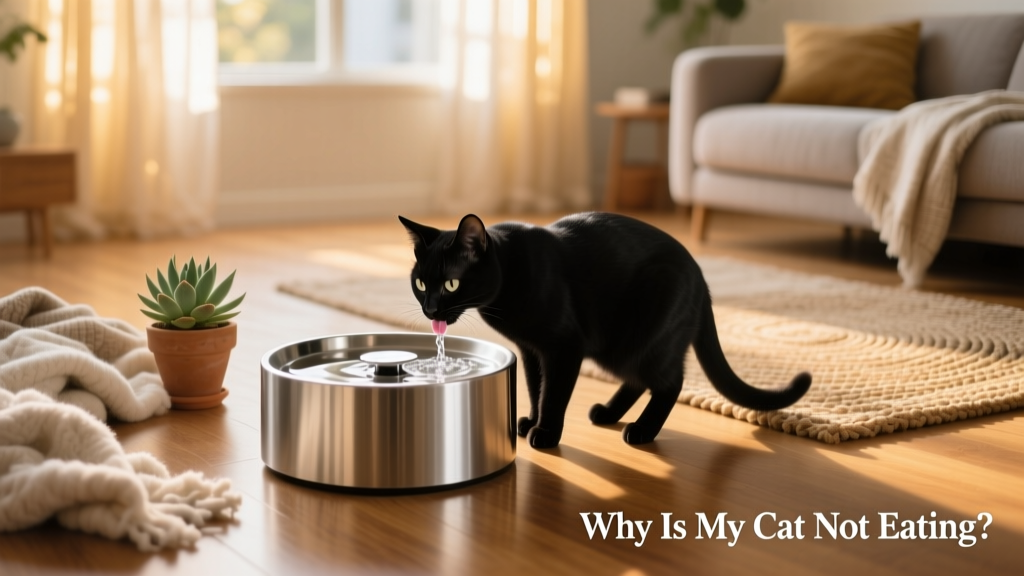
- Provide fresh, clean water in multiple locations around the house.
- Consider a cat water fountain—many cats prefer moving water.
- Mix wet food with water, tuna juice, or low-sodium broth to increase fluid intake.
FAQs About Why Your Cat Is Not Eating
When should I worry if my cat isn’t eating?
If your cat hasn’t eaten for more than 24 hours—or shows any other concerning symptoms—you should contact your veterinarian right away.
Can stress really make a cat stop eating?
Yes. Cats are highly sensitive to environmental changes, and stress can directly suppress appetite—even without an underlying medical issue.
Is it safe to try home remedies first?
Mild, short-term appetite dips may respond to warming food or offering variety—but never delay veterinary care for persistent refusal. Early intervention prevents complications like fatty liver disease.
Where can I find trusted cat nutrition resources?
Visit furpetvo.com for science-backed guides on feline nutrition, feeding tools, and vet-reviewed product recommendations—all designed with your cat’s health in mind.